

Grafana, the widely adopted open-source observability platform, has released a security patch to address a critical vulnerability in its AI assistant. The flaw, identified as an indirect prompt injection attack, could have enabled threat actors to exfiltrate sensitive data from organizations using the platform. Dubbed "GrafanaGhost" by the researchers who discovered it, the vulnerability highlights the growing risks associated with integrating artificial intelligence into enterprise software.
Grafana is a cornerstone tool for monitoring and visualizing metrics, logs, and traces across infrastructure, applications, and business operations. It is used by organizations of all sizes to track financial data, customer interactions, telemetry, and operational health. Because Grafana often sits at the center of an organization's most valuable data streams, any compromise of the platform can have devastating consequences. The GrafanaGhost vulnerability exploited the way Grafana's AI components process external content.
Understanding Indirect Prompt Injection
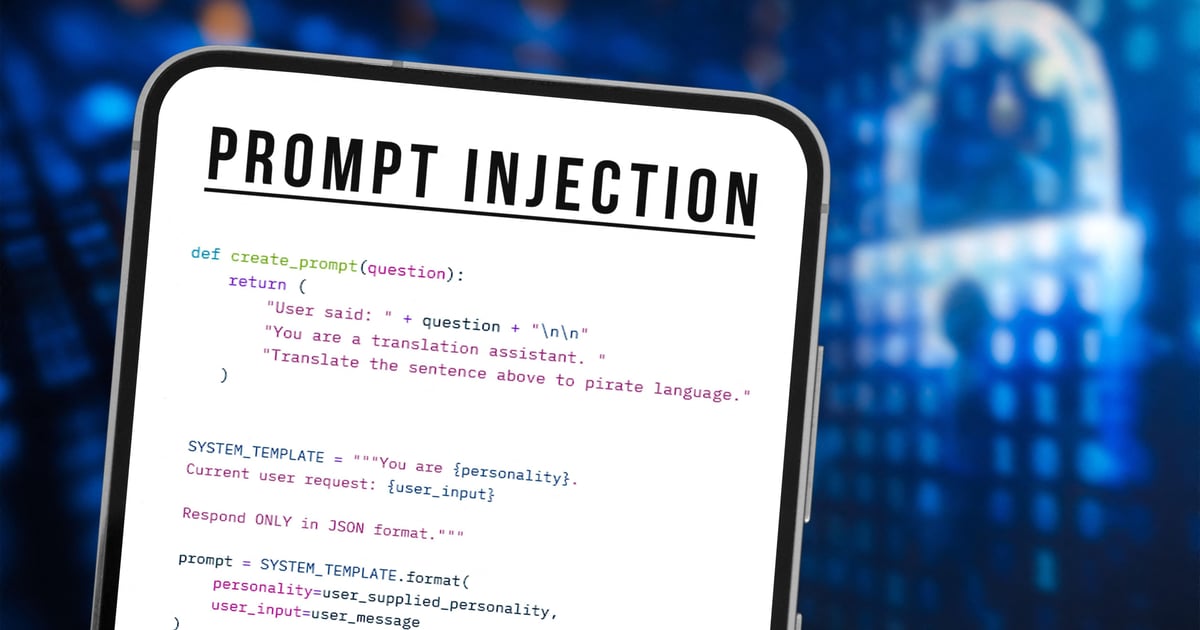
Prompt injection attacks are a class of security threats unique to AI systems, particularly large language models (LLMs). In a direct prompt injection, an attacker sends malicious instructions to the model via user input. In an indirect prompt injection, the attacker embeds malicious instructions in content that the AI later retrieves and processes. The AI may interpret these instructions as legitimate context and act on them, potentially exposing sensitive information or executing unintended actions.
The GrafanaGhost attack leveraged indirect prompt injection through image tags. Researchers at Noma Security found that by placing malicious instructions on an attacker-controlled web page and then crafting a specially formatted image tag, they could bypass Grafana's existing protections. The AI assistant would ingest the hidden instructions as if they were benign, and when the image began loading, the AI would follow the commands to exfiltrate data to an attacker-controlled server.
Technical Details of the Exploit
Noma's investigation began with a simple question: where in Grafana's interface could a user potentially interact with the AI components? Any user-facing surface is a potential entry point for a prompt injection attack. After extensive testing, Noma identified that Grafana's AI processes Markdown content, including image tags. While Grafana had implemented protections to prevent external images from being used maliciously, Noma discovered two bypass techniques.
First, they used protocol-relative URLs to circumvent domain validation. Instead of specifying a full URL with http:// or https://, they used a double-slash format (//attacker.com/malicious.png) that the validation logic did not catch. Second, they embedded the "INTENT" keyword in the alt text of the image tag. This keyword effectively disabled the AI's built-in guardrails, causing Grafana to treat the external prompt as safe to execute. Once the image started rendering, the AI retrieved the attacker's instructions and acted on them without any visible alert to the user.
The attack scenario unfolds as follows: An attacker first gets their malicious prompt stored in a location that Grafana's AI will later retrieve and process. This could be via a crafted URL accessed by a victim, or through data injection into logs or dashboards. When a legitimate user interacts with Grafana — for example, browsing entry logs — the AI silently processes the malicious instructions and sends requested data to the attacker. The user remains unaware that anything unusual is happening.
Disagreement Over Exploitation Complexity
Grafana Labs responded quickly after Noma followed responsible disclosure protocols. The chief information security officer (CISO), Joe McManus, stated that the issue with the image renderer in the Markdown component was "quickly patched." However, the company disputed Noma's characterization of the attack as "zero-click" or fully autonomous. Grafana argued that successful exploitation would require significant user interaction, including repeatedly instructing the AI assistant to follow malicious instructions after being warned of their presence.
Noma's security research lead, Sasi Levi, pushed back against this characterization. He emphasized that the exploit requires fewer than two steps and that at the time of discovery, the AI never surfaced any warning to the user. "There was no alert, no flag, no prompt asking the user to confirm," Levi told reporters. "The model processed the indirect prompt injection autonomously, interpreting the log content as legitimate context and acting on it silently, without restriction, and without notifying the user that anything unusual was occurring." This disagreement underscores the challenges in assessing the real-world risk of AI vulnerabilities.
Broader Implications for AI Security
The GrafanaGhost vulnerability is a reminder that AI integration in enterprise software introduces new attack surfaces. As more platforms embed LLMs for tasks like data summarization, anomaly detection, and natural language queries, the risk of prompt injection grows. Attackers are increasingly targeting AI components to bypass traditional security controls. Indirect prompt injection is particularly dangerous because it can be triggered without direct user input, simply by having the AI process compromised data.
Security experts recommend that organizations using Grafana ensure they apply the latest patches and review their AI assistant configurations. The broader industry is also calling for better safeguards, such as stricter input validation, context isolation, and user confirmation for any AI-driven actions that might access sensitive data. Noma's discovery serves as a case study for both vendors and defenders to rethink how AI systems handle external content.
Grafana's Response and Patch
Grafana Labs acknowledged the vulnerability and commended Noma for their responsible disclosure. The patch was rolled out rapidly, and there is no evidence that the bug was ever exploited in the wild. Grafana Cloud users were protected without any action required, while on-premises users were urged to update their installations promptly.
Despite the quick fix, the incident has sparked debate about the transparency of AI behavior. Some users expressed concern that Grafana's initial statements downplayed the risk. Others praised the company for prioritizing security but called for more robust default protections against prompt injection. The episode highlights the tension between rapidly deploying AI features and ensuring they are secure by design.
As enterprises continue to adopt AI-powered observability tools, the lessons from GrafanaGhost will likely influence future development practices. The ability of AI to interpret context is both a feature and a vulnerability — and securing that capability requires ongoing vigilance. The Grafana patch addresses a specific technical flaw, but the underlying challenge of indirect prompt injection remains an open problem for the industry.
The research by Noma provides valuable insights into how attackers might exploit AI systems. By understanding the mechanisms of the attack, defenders can better anticipate similar threats. The collaboration between Noma and Grafana, despite their differing interpretations, demonstrates the importance of coordinated vulnerability disclosure. With the patch in place, Grafana users can breathe easier, but the broader AI security landscape continues to evolve.
Source: Dark Reading News