

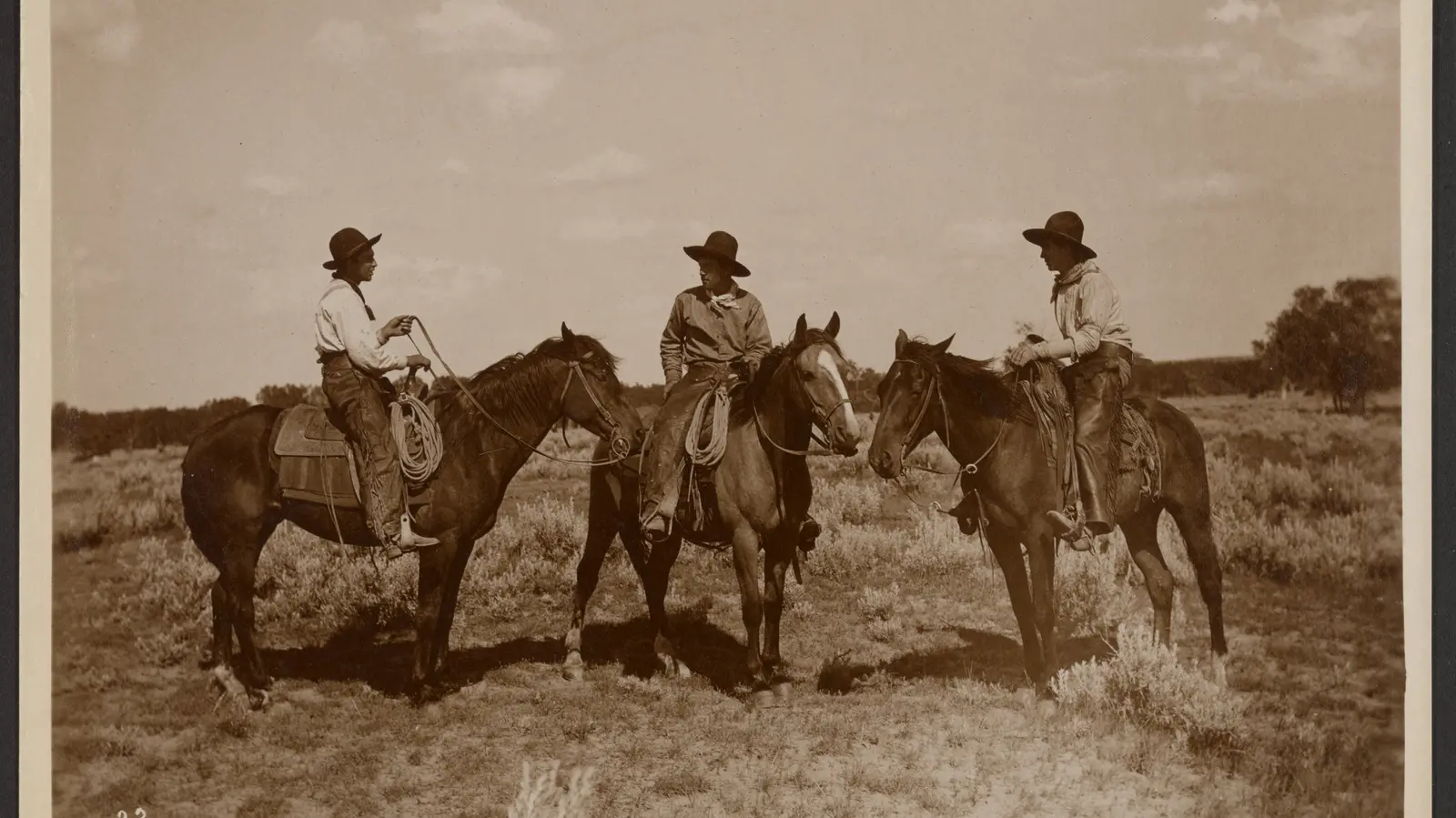
The American cowboy is one of the most enduring symbols of the 19th-century frontier, but the reality of life on the trail was far more dependent on practical innovation than on myth. Cowboys were livestock handlers, long-distance travelers, and occasional defenders of herds, and they benefited from a wave of technological change that swept across the United States during the Wild West era. From instant communication to food preservation, these inventions made the cowboy's demanding job safer, faster, and more reliable. Here are five key technologies that helped make cowboy life possible.
The Telegraph
Long-distance communication was one of the greatest challenges facing the American West. Before the electric telegraph, humans had used semaphores, signal fires, and mounted couriers, but all of those methods were limited by terrain, weather, and speed. The electric telegraph changed that forever. In 1844, the first official telegraph message was sent, and for the first time in history, information could travel across hundreds of miles at nearly the speed of light. For cowboys, this meant access to market prices, weather reports, and rail schedules without waiting days for a rider to arrive.
The vast distance between cattle ranches and eastern cities made the telegraph especially important to the cattle industry. Cattle drives were guided by demand, and knowing exactly where trains would be waiting required coordination. Telegraph lines allowed ranch owners and cattle brokers to adjust plans quickly, helping to organize the long supply chain that moved beef from pasture to dinner table. The technology also influenced standard time zones, which were needed to keep train schedules consistent. For cowboys, the telegraph was an invisible but essential part of the industry, transmitting updates on beef prices and rail departures. Western Union began offering money orders in 1870, giving cowboys a secure way to send wages home. News also arrived as it happened, meaning cowboys no longer had to wait for rumors or weeks-old newspapers.
Canning
Food preservation was another breakthrough that changed cowboy life. Before canning, fresh meat, vegetables, and fruit spoiled quickly, which made long journeys difficult and limited what people could eat on the frontier. The process of heating food and sealing it in airtight containers was developed in the early 19th century, and by the time of the great cattle drives, canned goods had become common in the American West. Canned meat, fish, beans, and vegetables could travel for weeks without rotting, making it possible for cowboys to eat a varied diet far from any store or farm.
On the trail, a chuck wagon was the mobile kitchen that kept cowboys fed. It carried coffee, flour, beans, salt pork, and an increasing supply of canned goods. These wagons were carefully organized so that cooks could prepare meals quickly at the end of a long day. Canned food did not replace fresh food entirely, but it provided a reliable backup when there was no time to hunt. Well-known brands that are still on supermarket shelves today, such as Campbell's Soup, began in the late 19th century and supplied the expanding western market. Canning had its early failures, though. Poorly sealed cans sometimes spoiled and made people sick, leading to public distrust. Over time, better methods made canned food a staple not just for cowboys but for households around the world.
Metallic Cartridges for Firearms
Firearms technology evolved rapidly during the 1800s. In the early decades of the century, soldiers and hunters loaded muskets with loose powder and ball, a slow process that left a person vulnerable during an attack. Paper cartridges made loading faster, but they were fragile and easily ruined by wet weather. The invention of the metallic cartridge, which combined a primer, powder, and bullet inside a single brass casing, solved these problems. Metallic cartridges were faster to load, kept their powder dry, and reduced the chance of misfire. They became common after the Civil War and quickly spread to the western frontier.
For cowboys, a reliable firearm was a practical necessity, though not for the reasons Hollywood usually shows. The threat of cattle thieves, known as rustlers, was real, and law enforcement was often miles away. Predators like wolves and bears could also attack livestock, costing a rancher a significant amount of money. Cowboys carried guns for self-defense and to protect the herds in their care. The long cattle trails exposed men to many kinds of danger, but weather was one of the most common. Rain and river crossings could easily ruin paper cartridges, so the waterproof, durable metallic cartridge was a clear improvement. It gave a cowboy confidence that his weapon would work when he needed it most.
Repeating Rifles and Revolvers
Metallic cartridges were paired with another major innovation: firearms that could fire multiple times without reloading. Repeating rifles and revolvers emerged in the mid-19th century and became defining tools of the Wild West. Companies like Smith & Wesson and Winchester built firearms designed for fast shooting and rugged use. The Winchester 1873 and the Colt Single Action Army revolver, introduced in the same era, are among the best-known guns associated with cowboys. These weapons allowed a rider to fire several shots before pausing to reload, a critical advantage in an ambush or a confrontation with rustlers.
The reality of gun use in the Wild West was more complicated than many stories suggest. Early repeaters and revolvers were finicky, and mechanical failures happened. Misfires could occur, and accidental gunshot wounds were more common than deliberate gunfights. Some cowboys were skilled shooters, but many were ordinary workers who simply wanted to protect themselves and their animals. Towns also responded to gun violence with strict regulations. Tombstone, Arizona, known for the Gunfight at the O.K. Corral, had laws requiring visitors to check their guns with local authorities. A cowboy entering town was often expected to surrender his revolver and collect it when he left. This detail is rarely shown in old movies, but it reveals that Wild West communities took gun control seriously.
Railroads
The railroad was arguably the most important technology for the cowboy economy. Locomotives could carry heavy cargo across the country faster, cheaper, and more safely than wagons. Growing eastern cities demanded beef, while the western plains held massive herds of longhorn cattle. Railroads connected the two. Cowboys drove herds along famous routes like the Chisholm Trail to railheads in Kansas, where cattle were loaded onto trains and shipped east to slaughterhouses. Without the railroad, there was little reason to gather thousands of cattle in one place; the animals could not be moved to market quickly enough.
Cattle towns, or cow towns, grew at the end of these trails. Places like Abilene and Dodge City prospered by providing food, drink, lodging, and supplies to cowboys after long drives. These towns became famous for their rough atmosphere, muddy streets, crowded saloons, and occasional violent clashes. Even after the cattle drives ended, many of these communities found new ways to grow, using the railroad to ship other goods and agricultural products. The railroad also brought manufactured clothing, tools, and food to the West, making frontier life easier.
The connection between cowboys and railroads was indirect but crucial. Most cowboys likely never rode a train, but their employment depended on it. The railroad turned cattle ranching into a profitable industry and created the demand for men who could control huge herds across open country. Rail transportation helped standardize the beef market and brought affordable meat to cities that could not support large livestock populations nearby. In that sense, the railroad did more than any single piece of cowboy gear to shape the life
Source: SlashGear News