

Abel Tesfaye alias The Weeknd: The Face of This Spring
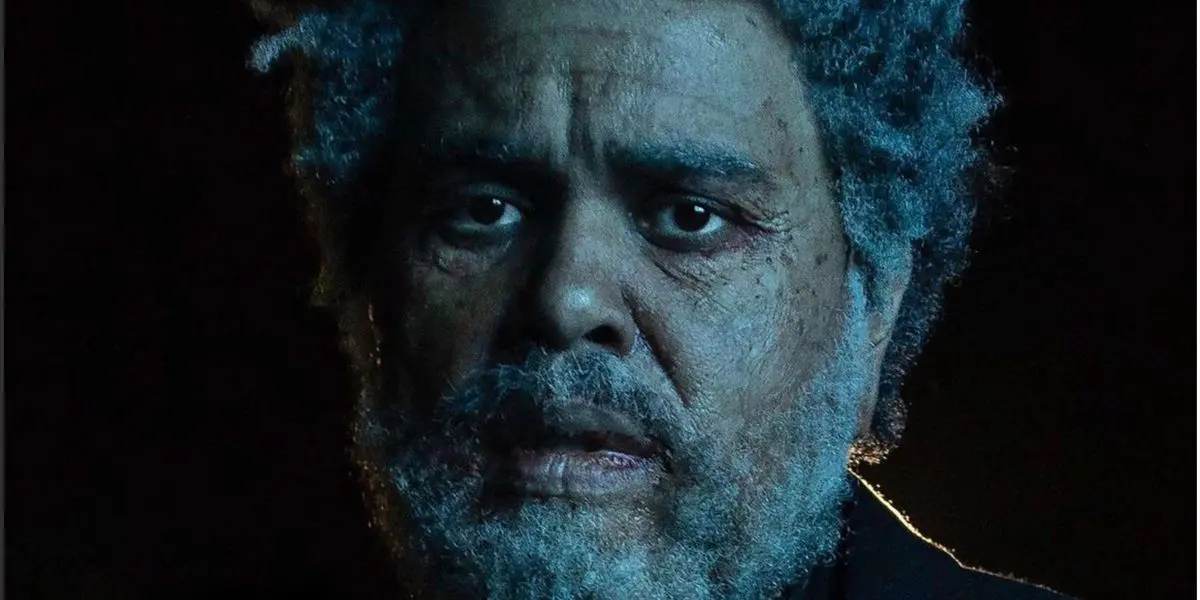
Abel Tesfaye, the Canadian superstar who performs as The Weeknd, has long been one of pop's most deliberate shape-shifters. His music began in the shadows of underground hip-hop and moody R&B, then expanded into widescreen, radio-ready pop. His videos and album campaigns have repeatedly introduced new characters, new silhouettes, and new versions of the same elusive artist. For the cover of Dawn FM, he pushed the transformation further than ever: he allowed himself to be aged artificially, appearing gray-haired and lined, staring out with the weary expression of someone who has spent far too long waiting for the world to restart.
Key Facts at a Glance
- Abel Tesfaye, known professionally as The Weeknd, was 31 when Dawn FM arrived and is one of the defining pop artists of his generation.
- His sound moved from dark, underground hip-hop and alternative R&B toward Eighties-inspired retropop, culminating in the global success of Blinding Lights.
- Blinding Lights became the most successful song in pop chart history, overtaking Chubby Checker's The Twist.
- For the Dawn FM cover, Tesfaye was made to look older, gray-haired and worried, a visual echo of pandemic fatigue.
- The album is built around a purgatory-radio concept: listeners are imagined as dead, stuck in traffic, waiting for a light at the end of a tunnel while a radio host guides them toward the other side.
- The project continues a career-long pattern of reinvention through music, videos, wardrobe, and album imagery.
The new image was not a random provocation. It arrived after two years in which daily life had been distorted by the pandemic, and it translated that collective exhaustion into a single face. The gray hair, the frown lines, the distant stare: all of it suggested a pop star who had chosen to look not timeless but timeworn. Rather than presenting youth as the ultimate currency, Tesfaye offered a portrait of endurance. The cover seemed to ask what happens to glamour when everyone is tired, and it answered with a character who looked as if he had been waiting in the same traffic jam as his audience.
Tesfaye's career has always depended on such contrasts. He emerged with a trilogy of mixtapes, including House of Balloons, that established him as a mysterious, nocturnal presence. The music was hazy, narcotic, and emotionally ambiguous, with lyrics that mixed indulgence and dread. Early on, he rarely offered the conventional pop-star interview or the bright, accessible persona that usually accompanies mainstream success. Instead, he built a mythology through sound and image. That early underground identity gave him credibility, but it also set up the long arc of reinvention that followed.
With Trilogy and Kiss Land, he refined that moody aesthetic, but his breakthrough into the pop mainstream came with Beauty Behind the Madness. The album included enormous hits and positioned him as a crossover figure without entirely abandoning the shadowy atmosphere of his earlier work. Starboy then sharpened his pop instincts further, pairing sleek production with a new visual confidence. By the time of After Hours, he had become a master of era-building: the red suit, the bandaged face, the disorienting videos, and the sustained world around Blinding Lights all turned a collection of songs into a larger pop-cultural event.
Blinding Lights became the centerpiece of that era. With its pulsing synth line, propulsive rhythm, and Eighties-inspired glow, the song seemed to soundtrack both nostalgia and forward motion. Its long chart life made it a phenomenon beyond ordinary hit status. When it overtook Chubby Checker's The Twist as the most successful song in pop chart history, the milestone confirmed something that had been building for years: Tesfaye had become not just a hitmaker but a record-setting pop institution. The achievement also underlined his ability to move between the underground and the center of global pop without losing the sense that he was always performing a role.
The Dawn FM cover extends that role-playing into a new register. The aged face is a stark contrast to the polished, often enigmatic imagery that usually surrounds pop stars. It is also a visual joke about time: the artist who once seemed to emerge from the night now appears as an older man looking back from some purgatorial waiting room. The cover does not simply sell the album; it creates a character and a world. The viewer is invited to wonder who this man is, why he looks so tired, and what radio station he is listening to. That kind of open-ended storytelling has become one of Tesfaye's signatures.
The album's concept deepens the image. Tesfaye said that while writing the music he imagined listeners had died and arrived in a kind of purgatory. He described the setting as being stuck in traffic, waiting to reach the light at the end of the tunnel, with the car radio playing and a host helping people cross to the other side. The metaphor is simple but potent: the pandemic turned everyday life into a waiting room, and pop music became the radio in the dashboard. Dawn FM turns that feeling into a sequence of songs, interludes, and narration, as if the album were a broadcast from a station located between one world and the next.
The radio conceit also fits Tesfaye's long fascination with atmosphere and sequencing. Dawn FM is not just a collection of singles; it is designed as a continuous listening experience, with a host figure guiding the audience through the tracks. The album features a cast of collaborators and voices, including narration and guest appearances that reinforce the sense of a station with its own schedule and personalities. The result is a pop record that behaves like a late-night broadcast: smooth, strange, occasionally unsettling, and held together by the idea that music can accompany people through uncertainty.
Visually, the aged Tesfaye belongs to a lineage of pop reinventions that includes the red-suited After Hours character and the bandaged, disfigured looks that accompanied that era. Each transformation has allowed him to comment on fame, identity, and performance without explaining too much. The masks, makeup, and costumes function as both protection and provocation. They let the artist disappear into a character while also drawing more attention to him. In the Dawn FM campaign, the old face does similar work: it makes the star seem vulnerable, mortal, and oddly relatable, even as it remains unmistakably a construction.
The timing of the image gave it extra force. After two years of pandemic disruption, audiences had grown accustomed to feeling suspended between one phase of life and another. The cover's gray hair and worried brow captured that suspension more directly than any headline. It also suggested that pop's obsession with youth could be interrupted by something stranger: a superstar willing to look depleted, not invincible. That choice made the Dawn FM era feel like a response to its moment rather than an escape from it. The album's radio metaphor offered a way to sit with the waiting, while the music kept moving toward the light.
Commercially and critically, Dawn FM arrived as a major event, but its significance lies in how it extended Tesfaye's project of self-transformation. He had already proved that he could move from mixtape mystery to arena pop, from brooding R&B to synth-driven nostalgia, from one elaborate visual identity to another. The aged cover was not a break from that history but a culmination of it. It took the idea of the pop star as a character and pushed it toward a portrait of exhaustion, mortality, and endurance. In doing so, it gave the era a face that was at once artificial and deeply familiar.
Tesfaye's strength has been his refusal to settle into a single version of himself. The Weeknd is not a fixed brand but a series of performances, each with its own sound, look, and emotional weather. Dawn FM added an older, wearier character to that gallery, one who seemed to have lived through the same stalled years as the audience. The gray-haired man on the cover, waiting beside a radio for the light at the end of the tunnel, remains the era's most direct visual statement: pop's great chameleon asking listeners to keep him company while the signal comes through.
Source: Spiegel News