

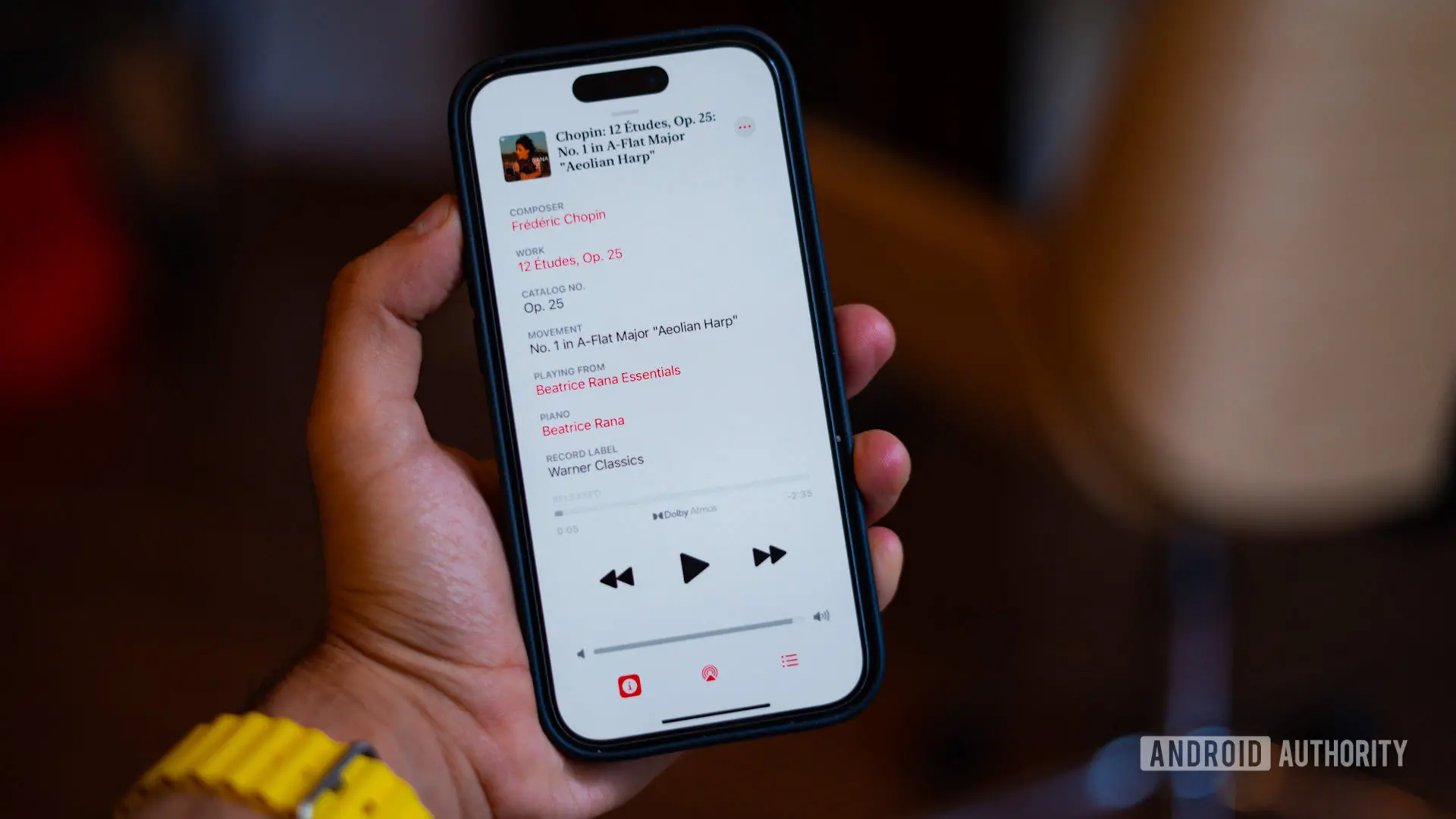
Everything’s getting more expensive lately, and streaming services aren’t exempt. Case in point: Apple Music just quietly increased its prices. As reflected on its website, Apple Music subscribers will now pay between $1 and $3 more per month, depending on their plan. The changes, first spotted by industry observers, mark the first time Apple has raised fees for its music streaming service since October 2022.
What Are the New Prices?
The new pricing structure is as follows: The Individual plan has risen from $10.99 to $11.99 per month. The Family plan, which allows up to six people, has jumped from $16.99 to $19.99 per month—an increase of $3. The Student plan, available to eligible college students, now costs $6.99 per month, up from $5.99. These prices are now live on Apple’s official website, though no formal press release or email announcement was sent to subscribers. Existing users may not see the change immediately; for example, current Individual subscribers may still see the old $10.99 price until their next billing cycle.
Context: A History of Apple Music Pricing
Apple Music launched in June 2015 at $9.99 per month for an Individual plan, $14.99 for a Family plan, and $4.99 for a Student plan. The service maintained those prices for over seven years. In October 2022, Apple raised the Individual plan to $10.99 and the Family plan to $16.99, while the Student plan remained unchanged at $5.99. Now, in July 2026, the company has implemented another round of increases. This timeline shows that Apple Music pricing is becoming less stable, reflecting broader inflationary pressures and rising content licensing costs across the streaming industry.
The nearly four-year gap between increases was relatively long compared to competitors. Spotify, for example, has raised its Premium Individual price from $9.99 to $10.99 in 2023, and then to $12.99 in 2025. Apple’s new Individual price of $11.99 is actually lower than Spotify’s current $12.99, though Apple’s Family plan at $19.99 undercuts Spotify’s $21.99. On the other hand, YouTube Music’s Individual plan has been $11.99 since April 2025, and its Family plan is $18.99—meaning Apple is now $1 more expensive for families versus YouTube Music.
Industry-wide Streaming Price Hikes
Apple Music is not alone in raising prices. The broader streaming entertainment sector has seen a wave of increases over the past two years. Video streaming services like Netflix, Disney+, and Max have all raised prices multiple times. Music streaming, which for years enjoyed a stable pricing environment, is now following suit. The cost of licensing music from record labels has gone up, and streaming services are passing those costs to consumers. Additionally, many services are investing in new features—such as spatial audio, lossless quality, and exclusive content—which require revenue growth. Apple Music, for instance, has been pushing its Spatial Audio with Dolby Atmos, a feature that incurs higher royalty costs.
Another factor is inflation. The Consumer Price Index has risen significantly since 2022, affecting everything from cloud hosting costs to employee salaries. Streaming services, which operate on thin margins, are adjusting pricing to maintain profitability. In Apple’s case, the price hike also comes on the heels of a rumor that Apple Music may soon introduce an ad-supported free tier. Such a tier could attract users unwilling to pay, but it might also cannibalize existing subscribers. The price increase could be a way to offset the potential revenue loss from a free tier, or to simply boost average revenue per user before introducing more accessible options.
How Does Apple Music Compare to Competitors?
Understanding the competitive landscape is crucial. Spotify, as the market leader, has 626 million monthly active users as of mid-2026. Its Premium Individual plan costs $12.99, its Family plan $21.99, and its Student plan $6.99 (matching Apple’s new student price). Spotify also offers a Duo plan for two people at $16.99, which Apple does not have. YouTube Music, with an estimated 100 million subscribers, charges $11.99 for Individuals and $18.99 for Families, plus a $6.99 Student tier. Amazon Music Unlimited offers Individual plans for $10.99 (or $9.99 for Prime members) and a Family plan for $16.99, though its library and features differ. Tidal, known for hi-fi audio, costs $12.99 for Individual and $22.99 for Family. Deezer has similar pricing. In this context, Apple Music’s new prices are competitive but not the cheapest. Amazon Music and YouTube Music remain attractive alternatives for budget-conscious families.
Unique to Apple Music is its deep integration with Apple’s ecosystem. Users with iPhones, iPads, Macs, and HomePods often find Apple Music more seamless than third-party services. This ecosystem lock-in may reduce churn despite price increases. However, Android users (who represent a significant portion of the global market) might be more price-sensitive. The fact that the rumor about an ad-supported free tier persists suggests Apple is aware of this demographic.
The Quiet Nature of the Price Increase
Why did Apple choose to raise prices without a formal announcement? This is a common tactic among subscription services. By quietly updating the website and not sending emails or press releases, the company hopes that many subscribers will not notice or will not switch services immediately. Behavioral economics suggests that consumers are more likely to accept a price increase if it is not highlighted. Over time, the new prices become the norm. However, this approach risks angering loyal customers who feel deceived. Some users on social media have already expressed frustration, noting that they received no notification. Apple’s official support page and billing emails will eventually clarify the change, but the lack of proactive communication is notable.
It is worth noting that Apple has not increased the price of its Apple One bundle, which includes Apple Music, Apple TV+, Apple Arcade, iCloud+, and other services. The Individual Apple One plan remains at $16.95 per month, and the Family plan at $22.95. This bundle effectively offers Apple Music at a discount when combined with other services. Subscribers who also use Apple TV+ or iCloud may find better value in the bundle, which could mitigate the impact of the standalone price hike.
What Does This Mean for Consumers?
For the average Apple Music user, an extra dollar or three per month may not seem significant. But cumulative increases across many subscriptions can strain household budgets. With many households subscribing to multiple streaming services, the total monthly cost adds up quickly. A survey from earlier this year found that American households spend an average of $90 per month on streaming subscriptions. Small increases like this one contribute to a trend of streaming fatigue and price sensitivity. Some consumers may begin to rotate subscriptions, canceling and reactivating as needed, or opt for free ad-supported tiers when available.
Another consideration is the value proposition. Apple Music offers over 100 million songs, curated playlists, live radio (Apple Music 1), and exclusive artist content. The lossless audio and spatial audio features are included at no extra cost, unlike some competitors that charge more for hi-fi tiers. For audiophiles and Apple ecosystem users, the $11.99 price may still represent good value. However, for casual listeners who mainly use music as background noise, a cheaper option like Amazon Music or even a free tier (if Apple introduces one) might be more appealing.
The student price increase to $6.99 is particularly notable. Students are often early adopters and price-sensitive. Keeping student prices low is a way to hook young users who may become long-term paying customers. At $6.99, Apple matches Spotify and YouTube Music, but it was previously $5.99, which undercut everyone. The increase might push some students to reconsider or share a Family plan with friends.
Looking Ahead: The Future of Music Streaming Pricing
With this price hike, Apple Music has signaled its commitment to raising revenue from its music service. The company has deep pockets from its hardware and services divisions, but it cannot ignore the need for profitable growth. The rumor of an ad-supported free tier suggests Apple wants to capture users in developing markets or those unwilling to pay full price. However, introducing ads could dilute the premium brand image Apple has cultivated. The decision to raise prices now may be a test: if subscriber numbers do not decline significantly, Apple may consider further increases or additional monetization strategies.
Other streaming services will likely watch Apple’s moves closely. Spotify has already raised prices multiple times, and YouTube Music has matched the $11.99 Individual price. Amazon Music’s pricing is stable but could change. The market may be approaching a price ceiling where further increases will cause significant churn. Consumer advocacy groups have begun to call for more transparency and competition. In some countries, regulatory bodies are examining the music streaming industry’s pricing practices and the power of major labels.
From a technological perspective, streaming services are exploring new features to justify higher prices. Apple Music’s investment in spatial audio, karaoke-style lyrics, and integration with Vision Pro are examples. Spotify is pushing podcasts and audiobooks. Amazon Music offers immersive audio and ad-free listening for Prime members. These value-adds could help offset the sticker shock of higher monthly fees.
As of now, Apple Music remains a major player with a loyal user base. The quiet price increase may cause a temporary buzz, but for many subscribers, the convenience of staying within the Apple ecosystem will outweigh the minor cost increase. However, for families on a budget, the $3 jump in the Family plan might be a tipping point. Only time will tell whether this move strengthens Apple’s music revenue or pushes some users to competitor platforms.
Another dollar a month for a single user isn’t much of an increase on its own, but little price hikes here and there add up. Is $12 a month too much to pay for music streaming? Do you have a set limit you’re willing to pay to stream music? These are questions consumers must increasingly face as the era of cheap streaming subsides.
Source: Android Authority News