

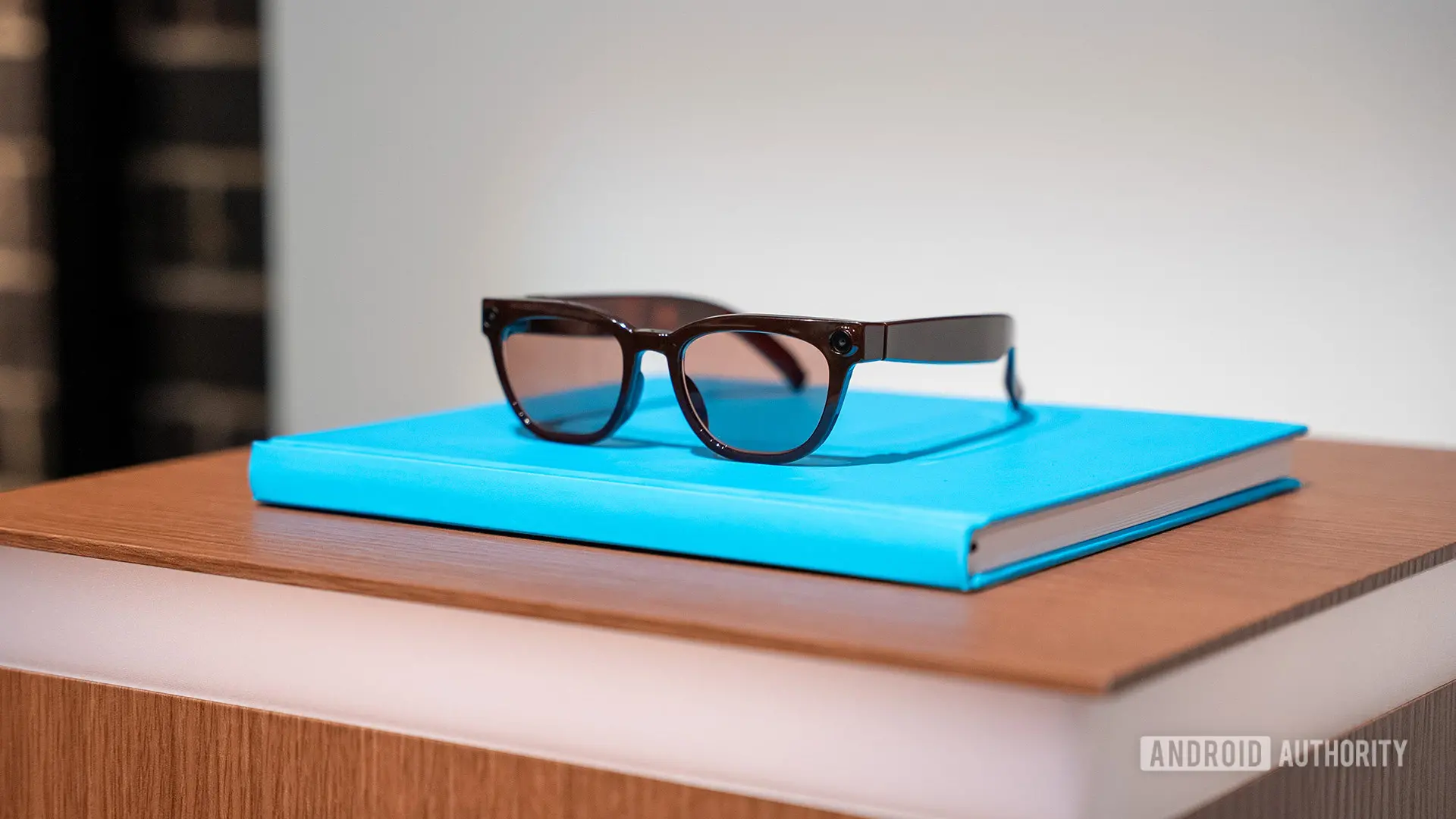
Apple has been working on smart glasses for years, and the latest reports indicate a delay to June 2027. While the company originally planned to announce them in 2026, it is now using the extra time to refine not just features but also its privacy messaging. According to a recent report, Apple's primary concern with its smart glasses is the privacy aspect, which could give it a significant edge over competitors like Meta and Samsung.
The Privacy Challenge
Smart glasses with cameras have been a privacy nightmare since they entered the market. Meta's Ray-Ban glasses, for example, have faced scrutiny over their ability to record without clear consent. Apple's engineering and marketing teams are reportedly working to develop features that go beyond the standard recording LED and camera-disabling mechanisms. The company may emphasize on-device processing to minimize data transmission and explicitly avoid features like facial recognition, which Meta has already been criticized for.
Apple's history of prioritizing privacy could be a key differentiator. The company has consistently marketed its products as privacy-focused, from iMessage encryption to App Tracking Transparency. Bringing that ethos to smart glasses is a natural next step, but it requires more than just a few software tweaks. The report suggests Apple considered a version without a camera, relying solely on Siri integration for calls, messages, and notifications. This approach would eliminate privacy concerns but limit functionality.
Comparing the Competition
Meta has a strong lead in the smart glasses market with its Ray-Ban line, which offers camera, speaker, and AI features. However, privacy issues have dogged the product, with users and observers worried about surreptitious recording. Samsung recently showcased its Android XR glasses at its Unpacked event, developed in partnership with Warby Parker and Gentle Monster. Those glasses also include privacy protections similar to Meta's, but they have yet to prove their trustworthiness. Apple's extra year of development could allow it to design unique privacy features that resonate with security-conscious consumers.
The privacy arms race extends beyond hardware. Apple may incorporate software-level protections, such as requiring explicit consent before any recording, limiting storage to on-device, and providing transparent indicators at all times. In contrast, Meta's "Super Sensing" mode keeps analyzing surroundings continuously, which could raise alarms. Apple could also introduce a "privacy mode" that disables the camera entirely for certain contexts, like office meetings or public transport.
Expansion and Market Impact
To understand the significance of Apple's privacy push, we need to look at the broader wearables market. Smart glasses have been a niche category, partly due to privacy fears. If Apple can solve this, it could unlock mass adoption, similar to how Face ID made biometrics mainstream. The company's delay also means more time to integrate with its existing ecosystem—iPhone, Apple Watch, AirPods—making the glasses a seamless extension of the user's digital life.
Historical context is important. Apple tried smart glasses earlier with mixed results; the Google Glass debacle demonstrated how privacy concerns could kill a product. Apple's strategy appears to be learning from those mistakes by putting privacy first. The company's reputation for user control and transparency could be its strongest asset. Moreover, Apple's marketing team is reportedly crafting campaigns that highlight how the glasses protect both the wearer and people around them.
Potential Features and Consumer Perspectives
Beyond privacy, the glasses are expected to include Siri for hands-free control, calls, music, and notifications. The camera, if included, might only feed visual data to Siri for contextual assistance without saving or sharing images. This approach aligns with Apple's focus on on-device intelligence and minimal cloud reliance. The glasses could also integrate with Apple Maps for navigation overlays and use spatial audio via AirPods.
Consumers are increasingly aware of digital privacy, especially after recent data breaches and surveillance scandals. A survey by Pew Research Center found that 79% of Americans are concerned about how companies use their data. Apple's messaging around smart glasses will likely tap into this sentiment, positioning the product as the safe choice for the privacy-minded. This could be a decisive factor against competitors who have less pristine records.
The Road Ahead
While June 2027 is still nearly two years away, the delay allows Apple to perfect the product without rushing. The company has already invested billions in AR/VR technologies, including the Vision Pro, which serves as a high-end platform for developing spatial computing. The smart glasses will benefit from those learnings. The decision to possibly offer a camera-free variant indicates that Apple is considering multiple form factors to cater to different user comfort levels.
Ultimately, if Apple can deliver on its privacy promises, it could leapfrog Meta and Android XR in the one area that matters most to consumers: trust. The wearable technology landscape may be competitive, but with privacy becoming a key purchase driver, Apple's glasses could redefine the category.
Source: Android Authority News