

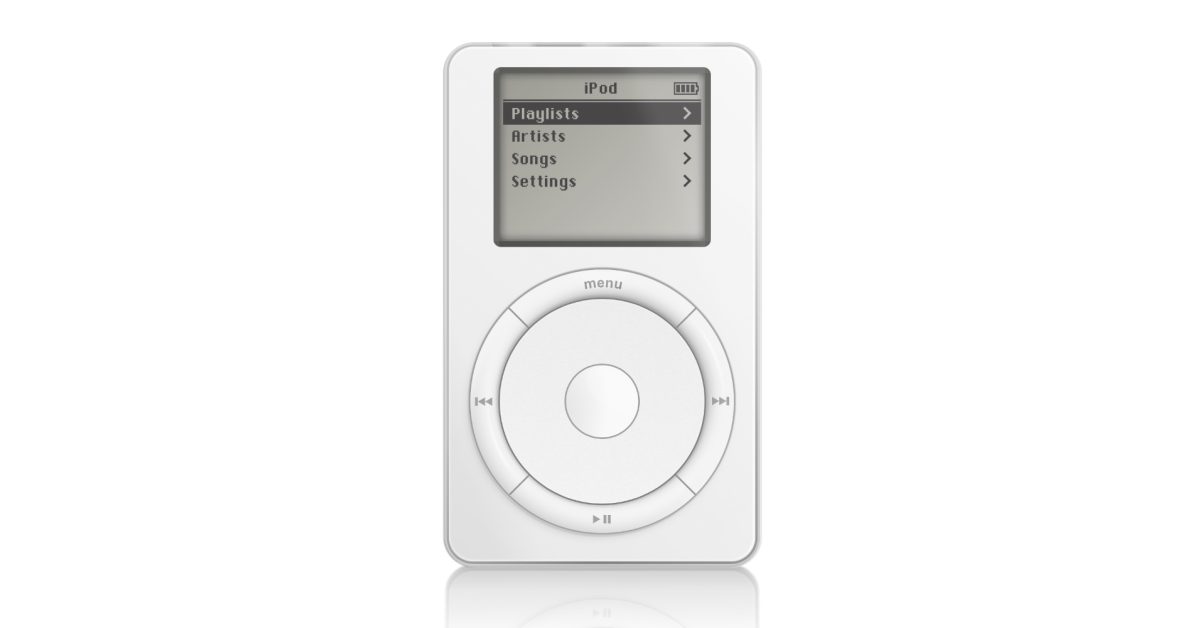
Apple is celebrating the 25th anniversary of the iPod with a quiet but playful addition to its website. A nonexistent path on the company's music website now resolves to a Page Not Found screen that features a fully interactive model of the original iPod. The hidden tribute lets visitors click through the device, move the scroll wheel, browse pre-installed tracks, and play 90-second previews without leaving the browser.
The timing is deliberate. Apple unveiled the first iPod on October 23, 2001, at a moment when portable digital music was still fragmented and often awkward. The device did not invent the MP3 player, but it packaged the idea in a way that made digital music feel simple, elegant, and personal. Twenty-five years later, the iPod brand is discontinued, yet its influence remains visible in the design of Apple's hardware, the behavior of its music software, and the nostalgia many users still attach to the scroll wheel.
Headline and key facts
- Apple has marked the iPod's 25th anniversary with a hidden interactive iPod on a Page Not Found screen.
- The first iPod was introduced on October 23, 2001.
- The easter egg appears when a visitor reaches a nonexistent path on Apple's music website.
- The on-screen iPod is fully interactive: its buttons can be clicked, and the scroll wheel can be clicked and dragged.
- The device includes pre-installed songs from artists who were popular around the time of the original iPod launch.
- Visitors can select songs and play 90-second previews directly in the web interface.
- The iPod line has long been discontinued, but its cultural legacy remains strong.
A quiet tribute to a device that changed listening
The easter egg is easy to miss. It does not appear on the main Apple homepage, and it is not announced with a giant marketing campaign. Instead, it waits behind a broken path on Apple's music website, turning a routine error page into a small piece of interactive history. That placement feels appropriate for a product that began as a premium, almost luxury item and eventually became a familiar part of everyday life. The page invites exploration rather than demanding attention.
The interactive iPod is not a video or a static image. Visitors can click its buttons, drag the scroll wheel, and move through menus in a way that mimics the original device. Pre-installed songs are available to select, and each track can play a 90-second preview inside the web interface. The experience is limited compared with a real iPod, but it captures the essential rhythm of the hardware: the wheel, the click, the menu, and the sudden focus on a single song.
The original iPod arrived at a turning point
When Apple introduced the iPod in October 2001, the music industry was in the middle of a difficult transition. CDs were still dominant, but digital files were becoming easier to find, share, and store. Early MP3 players existed, yet many were clumsy, limited by small storage, poor software, or confusing controls. Apple's pitch was not simply that the iPod held music. The pitch was that it held a lot of music and made it easy to find.
The first iPod offered 5GB of storage, enough for roughly 1,000 songs, and it used a small hard drive rather than flash memory. It sold for $399, a price that made it a premium product rather than an impulse purchase. It worked with a Mac and relied on iTunes for syncing. The combination of hardware, software, and a simple scroll wheel gave the device a clear identity. Users could carry a large library in a pocket and navigate it with one hand.
The launch also reflected Apple's growing interest in consumer electronics. The company was known for Mac computers, but the iPod pushed it into a new category and eventually helped reshape its business. The device arrived before the iTunes Store, which launched in 2003. In the early years, iPod owners ripped CDs or found digital music elsewhere and then synced their libraries. The later arrival of legal downloads made the ecosystem more complete, but the hardware had already established the basic ritual: build a library, connect the device, and take it everywhere.
From scroll wheel to cultural symbol
The iPod line evolved quickly. Apple introduced smaller models, flash-memory players, colorful designs, and eventually the iPod touch, which brought a touchscreen and app support. The iPod mini and iPod nano appealed to users who wanted something lighter. The iPod shuffle removed the screen entirely and leaned on physical controls. The iPod classic carried the large-library idea forward for years. Each version changed the formula, but the core promise remained: a dedicated device for music that was simpler than a phone or a computer.
That promise made the iPod a cultural symbol. White earbuds became recognizable. The silhouette advertising campaigns turned dancers and musicians into moving shapes against bright backgrounds. The click wheel became a tactile interface that people could operate without looking. The device appeared in movies, television shows, and everyday conversations. For a generation of listeners, the iPod was the first place where a personal music collection felt portable, searchable, and entirely under their control.
The product also changed expectations for how digital media should work. Users expected fast syncing, clean menus, and reliable playback. They expected their devices to feel responsive. Those expectations carried into later Apple products, including the iPhone and the Apple Watch. The iPhone eventually absorbed most of the iPod's functions, and smartphones from many companies became the default music players for millions of people. The dedicated music player did not disappear because people stopped listening. It faded because the phone became good enough to do the job.
What the interactive model includes
The hidden page recreates the look of an original iPod, including its display area, controls, and scroll wheel. The wheel responds to click-and-drag input, which means visitors can simulate the circular motion of the original interface. The buttons allow navigation through the device's menus, and the screen updates as the user moves around. The experience is deliberately small in scope, but it is more than a decorative image.
The pre-installed music is drawn from artists who were popular around the time of the iPod's introduction. That choice gives the easter egg a period feel. It is not a random selection of modern tracks placed inside an old shell. The page tries to evoke the era of the original launch, when playlists were measured in burned CDs and ripping a library was a weekend project. The 90-second previews let visitors sample songs without leaving the page, which keeps the experience self-contained.
For users who remember the original hardware, the appeal is partly nostalgic. The wheel, the menu structure, and the small screen bring back the physical habits of using an iPod. For younger users, the page offers a glimpse of what portable music felt like before streaming, touchscreens, and always-connected devices became the default. The easter egg does not need to explain that history. It lets visitors feel a small part of it.
Why the iPod still matters
The iPod was discontinued years ago, and Apple stopped selling the last model in 2022. Even so, the device remains a reference point in discussions about product design, digital music, and the way technology becomes personal. The iPod was not the most powerful computer Apple ever made, and it was not the most expensive. Its importance came from focus. It did one job well, and it made that job feel enjoyable.
The new easter egg fits into a broader pattern of anniversary gestures that reward curious users. It turns a dead end into a discovery. It takes a product that exists mostly in memory and gives it a temporary digital form. The page does not pretend that the iPod is still a current product. Instead, it acknowledges the anniversary with a small, interactive tribute that can be explored in a few minutes.
Apple Music subscriptions start at $11.99 per month, and the service is also available through the Apple One bundle. The hidden iPod page is separate from those subscription offers, but it points to the same long relationship between Apple and music. The company no longer sells a dedicated iPod, yet the music business remains central to its ecosystem. The easter egg is a reminder of how that relationship began for many users: with a wheel, a screen, and a library of songs in a pocket.
Source: 9to5Mac News