

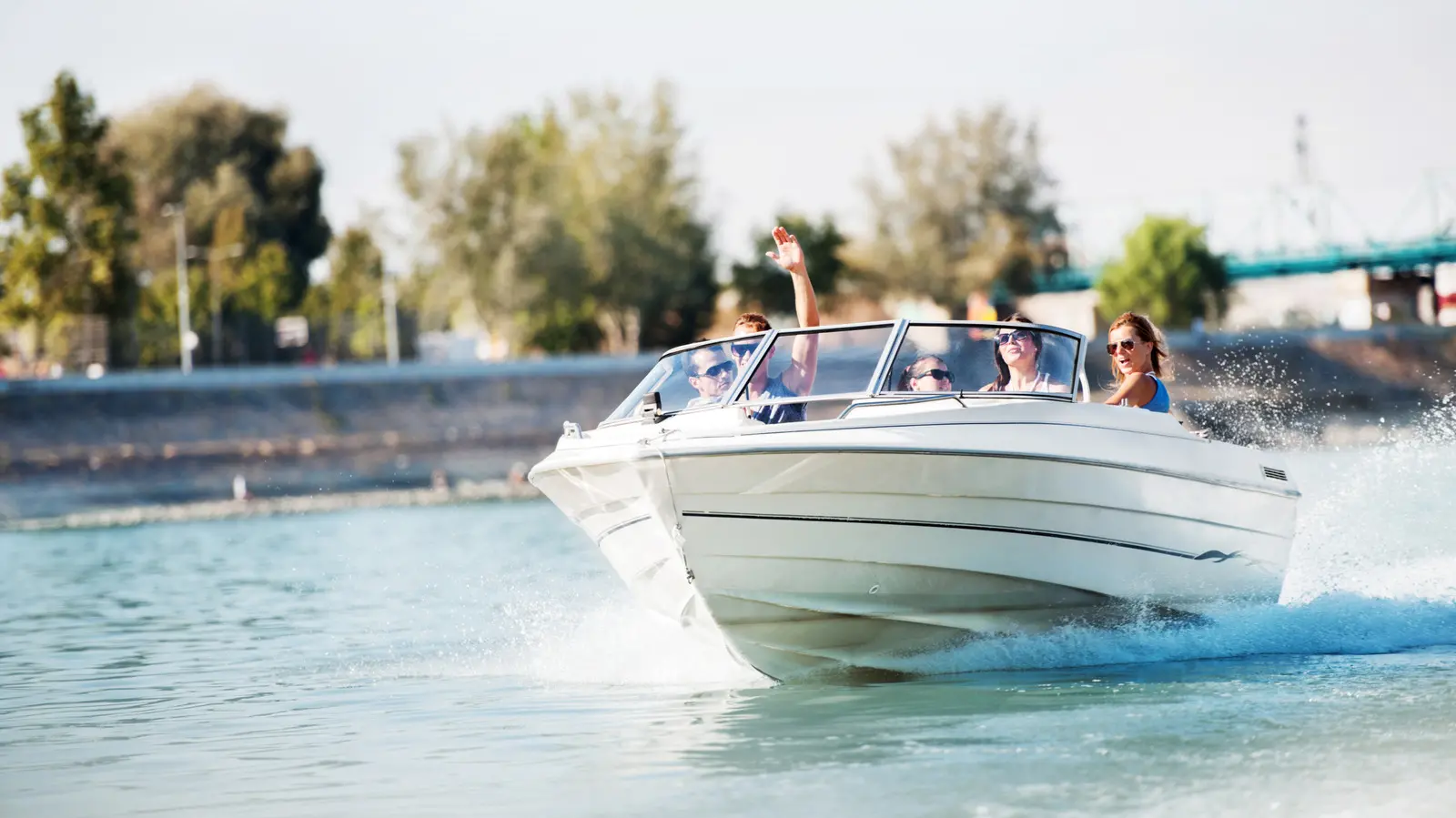
If you live near a coastline, river, or large lake, you are likely familiar with the rumble of a speedboat engine tearing across the water. While the sound might be a minor annoyance, it can escalate into a full-blown public nuisance—and a legal violation. Across the United States, many states have strict regulations governing motorboat noise, with precise decibel limits that vary depending on the state, the boat's speed, and the year its engine was manufactured. Local laws can further complicate matters by factoring in other noise sources, such as loud music or excessive horn blowing. For boaters, understanding these rules is essential not only to avoid fines but also to ensure safety and respect for the community.
Noise from recreational boats is more than just a nuisance. Studies have shown that excessive underwater noise can disrupt marine life, affecting communication, navigation, and feeding patterns. Onshore, persistent boat noise lowers property values and degrades the peace of waterfront neighborhoods. Because of these impacts, lawmakers have long recognized the need to regulate sound levels on waterways. The federal government has enacted noise control standards for new boats, but most enforcement is left to individual states. As a result, boating enthusiasts must navigate a patchwork of laws that can differ dramatically even between neighboring states.
Federal standards and the role of the EPA
At the federal level, the Noise Control Act of 1972 gave the Environmental Protection Agency (EPA) authority to set noise emission standards for various products, including motorboats. In the 1970s and 1980s, the EPA established regulations that limited noise from new boats and replacement engines. For example, engines used in recreational boats manufactured after 1990 were required to meet a sound level of 86 decibels when measured from a distance of 50 feet at full throttle. However, the EPA's active role in noise enforcement diminished over the years due to budget cuts, and today the agency mainly provides guidelines rather than actively policing boat noise. This has shifted the burden to state and local governments, which have filled the gap with their own codes.
Because federal rules are relatively broad, states can adopt stricter limits. They also define testing procedures, measurement distances, and whether the boat is in motion or stationary. Some states even set different thresholds based on engine manufacturing year, recognizing that older engines may not be able to meet modern standards. The result is a complex regulatory landscape that catches many recreational boaters off guard, especially when they travel across state lines with their vessels.
How states measure boat noise
To enforce noise limits, authorities use decibel meters, often positioned a specific distance from the boat. For moving boats, the measurement is typically taken at 50 feet from the transom while the vessel passes at maximum or cruising speed. For stationary boats, the measurement may be taken closer, such as 4 feet from the exhaust outlet. The decibel scale is logarithmic, meaning a small increase in the number represents a dramatic rise in sound energy. For context, a normal conversation is about 60 decibels, a lawnmower approximately 90 decibels, and a rock concert can exceed 110 decibels. Many states set the legal limit for motorboats in the range of 82 to 90 decibels, which is comparable to loud city traffic or a kitchen blender.
It is important to note that the measurement setup can significantly affect the result. A boat that appears quiet to the human ear might still exceed legal limits when measured precisely. Conversely, some boats equipped with high-performance engines may be well above the limit even at idle. Therefore, what constitutes a violation depends on the specific testing methods and conditions described in state law.
Connecticut: A closer look at regional rules
Connecticut provides a good example of how state laws are structured. Under Connecticut's boating regulations, any motorboat in motion cannot have an engine noise exceeding 75 decibels when measured from at least 50 feet away. This relatively low limit reflects the state's dense population and substantial recreational boating traffic. When the boat is stationary, the permissible noise level depends on the engine's manufacture date. If the engine was built before 1993, the limit is 90 decibels, measured from 40 inches away. For engines built on or after January 1, 1993, the limit drops to 88 decibels.
Connecticut law also addresses exhaust systems, requiring that motorboats be equipped with a muffler or other effective sound-suppression device in good working order. Modifying an exhaust system to intentionally make it louder is prohibited. However, the law includes a narrow exception for certain valves that divert exhaust gases around the muffler, but only in emergencies where a temporary increase in power is necessary, such as to avoid a collision. Boaters must use these valves responsibly, as any misuse can lead to penalties.
Minnesota’s approach to noise regulation
Minnesota offers a different set of rules, highlighting how much state policies can vary. In Minnesota, motorboat engines manufactured before 1982 must not exceed 86 decibels when measured from 4 feet away while idling, and 84 decibels when measured from 50 feet while in motion. For engines built on or after January 1, 1982, the limits are stricter: 84 decibels at 4 feet when idle and 82 decibels at 50 feet in motion. Minnesota also makes it illegal to sell or operate a boat with a bypassed or altered muffler, and explicitly bans the removal of any component that would increase noise. This provision is particularly important for people buying used boats, as a previous owner may have illegally modified the exhaust system without the new owner’s knowledge.
The state's regulations emphasize that boating should not unreasonably disturb the public's use of water resources. Minnesota is home to more than 11,000 lakes, and its tourism industry relies heavily on the quiet, natural beauty of its waterways. As a result, local law enforcement actively patrols popular lakes during summer weekends, issuing citations to boaters who exceed the decibel limits. Offenders can face fines ranging from $100 to $1,000, depending on the severity and frequency of the violation. In some extreme cases, repeat offenders may also have their boating privileges suspended.
Local ordinances and the role of music
Beyond state regulations, local municipalities often impose additional restrictions. For example, New York City has its own noise code that applies to vessels on its waters. Under local law, citizens are allowed to file a complaint against a noisy boat based on the sound of its engine, the volume of the music being played, or excessive horn blowing. This means a boat anchored in a harbor with loud speakers could face a ticket even if the engine is off. New York City employs noise enforcement agents who use sound meters and witness testimony to build cases. Complaints are investigated, and violators can be fined several hundred dollars for a first offense.
Other coastal cities like Miami Beach, Seattle, and San Francisco have also adopted specific boat noise ordinances. In Miami Beach, for instance, the law prohibits any sound that is plainly audible from your boat at a distance of 25 feet or more. This so-called 'plainly audible' standard is easier to enforce than a precise decibel reading, since officers do not need specialized equipment. They simply use their hearing to determine if the noise is excessive. Similar laws exist in many lakeside towns in the Midwest and the South. Boaters should therefore check both state and local rules before venturing into unfamiliar waters.
Why mufflers and sound suppression are necessary
Mufflers are not just about legal compliance; they are crucial for safety on the water. A loud engine can drown out important sounds, such as the horn of an approaching vessel, the shout of a nearby swimmer, or the warning of a distress call. Researchers have found that prolonged exposure to boat engine noise can cause hearing damage to both operators and passengers. In fact, the National Institute for Occupational Safety and Health (NIOSH) suggests that sound levels above 85 decibels can cause hearing loss after prolonged exposure. Since many boats exceed this threshold without proper muffling, wearing hearing protection is recommended during extended trips.
Additionally, mufflers reduce exhaust fumes that are both environmentally damaging and harmful to human health. Unmuffled engines often run less cleanly, releasing more unburned hydrocarbons and carbon monoxide. Carbon monoxide is especially dangerous on the water, as it can accumulate around the boat and cause poisoning. Thus, sound-suppression systems serve a dual purpose: they keep noise levels legal and protect the health of everyone on board and nearby.
Consequences of violating boat noise laws
Penalties for non-compliance vary widely, but they can be severe. Most states treat a first-time noise violation as a civil infraction with fines typically between $50 and $500. However, repeat offenders may face criminal charges, especially if the noise disturbance leads to complaints or hazardous conditions. In some states, such as California and Florida, flagrant violations can result in jail time for up to 60 days, though that is rare. Moreover, a citation may add a point to your boating record, potentially increasing insurance premiums. Boat owners can also be ordered to have a certified mechanic repair or replace non-compliant exhaust systems at their own expense.
Beyond legal consequences, there is a social element. Loud boats ruin the experience for others, leading to conflicts with waterfront residents and fellow boaters. Many communities have established voluntary 'quiet hours' during which boaters are encouraged to reduce speed or limit their audio systems. These hours are often respected by courteous boaters who recognize that the water is a shared resource. Ignoring these unwritten rules can lead to social ostracism and even organized petitions to ban certain types of boats from local lakes.
How to check if your boat complies
Before heading out, boaters can take several steps to ensure their vessel meets applicable noise standards. First, inspect your exhaust system for signs of wear or tampering. Look for aftermarket parts that may not have been properly certified. Second, consider having a professional sound test performed at a marina or by an independent technician. Some boating clubs offer decibel testing days where members can measure their boat's output in a controlled environment. Third, if you are buying a used boat, ask about its noise compliance history and whether any modifications have been made. A seemingly minor change to the exhaust manifold or propeller can significantly alter the sound profile.
It is also wise to consult the local boating law enforcement agency before launching in a new area. Most states and municipalities provide online resources summarizing their noise rules. Some even publish educational brochures at boat ramps. Taking a few minutes to review these materials can prevent a costly and embarrassing encounter with law enforcement.
The environmental and ethical dimension
The push to regulate boat noise is also part of a broader effort to protect aquatic ecosystems. Underwater noise pollution is now recognized as a serious threat to fish, marine mammals, and other wildlife. Research published in journals like Science has shown that boat engines can interfere with fish spawning, disrupt the migration of eels and salmon, and cause stress in dolphins and whales. For many species, sound is their primary sense, used for finding food, avoiding predators, and communicating with mates. A constant barrage of engine noise can disorient them and reduce their ability to survive. By keeping your boat reasonably quiet, you are contributing to an environment where marine life can thrive.
Some states have even established quiet zones around sensitive habitats, such as manatee sanctuaries in Florida or marine protected areas in California. In these zones, engines may be required to be set on a 'no wake' setting, which dramatically reduces noise. Boaters who violate these special regulations face enhanced fines and could be banned from the area. The ethical boater views these rules not as restrictions, but as opportunities to enjoy the natural world without disrupting it.
Ultimately, the question of how loud your boat can be is not just about avoiding a ticket. It is about respecting your fellow humans and the environment. A boater who takes the time to understand and abide by noise regulations shows a level of professionalism and courtesy that elevates the entire community. Whether you are idling in a quiet cove or crossing a wake on a busy lake, keeping the noise down is a sign of good seamanship.
As boating technology continues to evolve, we are seeing increasingly quieter and more efficient electric motors that generate little or no sound. Some yacht clubs and municipalities are starting to offer rebates to encourage the adoption of electric propulsion systems. While the technology is still not widespread, it represents the future of eco-friendly recreation. Until then, boaters must rely on proper muffling and common sense to stay within the legal limits and protect the serenity of the waterways for everyone.
Given the wide array of laws across the country, it is impossible to provide a single universal answer to the question of permissible boat noise. The best approach is to adopt a simple principle: keep your boat as quiet as reasonably possible. Not only will you stay on the right side of the law, but you will also enjoy a more peaceful and safe boating experience, and you will be a welcome presence on any waterway.
Source: SlashGear News