

When looking at the evolution of home appliances, few components have seen such a dramatic shift as the humble pilot light. For decades, a small, constantly burning flame stood guard inside gas furnaces, boilers, water heaters, and even some stoves. It offered a simple way to light the main burner whenever heat was required. But as technology changed, so did the way appliances manage ignition. Today, many modern gas appliances no longer use a standing pilot light at all, relying instead on electronic systems that save energy and reduce unnecessary gas consumption.
What Is a Pilot Light?
A pilot light is a small, controlled gas flame that burns continuously near the primary burner of a gas appliance. Its only job is to act as an ignition source when the appliance calls for heat. In older systems, if you wanted to turn on a gas furnace, you would not need a match or lighter. The pilot light was already there, waiting to ignite the gas flowing to the main burner. This made the system far more convenient and safer than manually lighting the appliance every time.
To keep a pilot light burning safely, a safety component called a thermocouple is often used. This small electrical device senses the pilot flame's heat. If the flame goes out, the thermocouple cools, which causes the gas valve to close. This prevents unburned gas from filling the appliance or the room. It is an elegant and effective safety mechanism, but it still relies on a flame that burns around the clock.
Key Facts About Pilot Lights and Modern Gas Appliances
- A pilot light is a small flame that stays lit constantly to ignite the main burner when the appliance needs to operate.
- Standing pilot lights are now rare in many new residential appliances because they waste gas by burning all day and night.
- Modern replacements include electronic ignition, hot surface igniters, and plasma igniters.
- A thermocouple shuts off the gas supply if the pilot flame goes out, reducing the risk of leaks.
- Pilot lights are still common in older boilers, some gas fireplaces, and many professional kitchen ranges.
A Look Back: Why Pilot Lights Became Common
During the 1920s, gas heating and lighting were quickly becoming standard in homes across the United States and elsewhere. However, working with gas had a serious drawback: it was dangerous if not handled carefully. Gas leaks could go undetected for a long time, and an explosion was a constant risk. Lighting a burner manually required the user to get close to the gas flow and often involved matches or an open flame. It was not the easiest or safest process.
The standing pilot light helped to solve this problem. Instead of forcing the homeowner to light the furnace every time it was needed, the pilot light would remain lit between heating cycles. This meant that gas could be delivered to the main burner and ignited instantly. It was considered a major step forward in convenience and safety, and it became a standard feature in many gas appliances.
For a long time, this design was seen as reliable and practical. Furnace owners did not have to think about lighting the appliance, and the small pilot flame seemed like a minor cost. But engineers and energy researchers eventually began to realize that those small flames were not as harmless as they looked, especially from an efficiency standpoint.
The Problems With Standing Pilot Lights
One of the biggest issues with standing pilot lights is that they are always on. Even when the appliance is not producing heat or hot water, the pilot flame continues to burn. This means that a small but steady amount of natural gas is being consumed 24 hours a day, 7 days a week. Over the course of a month, that can add up, especially in households that rely on gas for heating.
A 1997 industry study of homes with furnaces and gas fireplaces highlighted this waste. Researchers monitored the gas use of 68 homes over a full year. In the 30 homes where the pilot light stayed on all year, the pilot light accounted for roughly 48% of the total gas fireplace fuel consumption. On average, these fireplaces used about 31% as much gas as the central gas furnaces in the same homes. That is a significant amount of fuel going to a flame that is only needed for a few seconds at a time.
Cost is not the only downside. Pilot lights can also be unreliable. In some cases, a strong draft, a momentary interruption in the gas supply, or a buildup of debris can blow out the pilot flame. When this happens, the appliance stops working until someone relights the pilot manually. For example, homeowners might come home to a cold house or take a shower with no hot water, all because a tiny flame went out.
There is also a safety concern, though it is less obvious. If a thermocouple fails or the pilot light is not properly maintained, the system can fail to detect that the flame is gone. This can create a dangerous situation where gas continues to flow without being ignited. While modern safety devices have made these scenarios very unlikely, the continuous flame introduces another component that can wear out or malfunction over time.
What Replaced the Standing Pilot Light?
Because of these concerns, manufacturers began developing ignition systems that did not require a constantly burning flame. The most common replacement is an electronic ignition system. In this setup, the appliance does not use any gas for a pilot flame. Instead, when the thermostat calls for heat, the system uses an electrical spark to ignite the burner directly. The ignition spark is generated only when needed, so no gas is wasted between heating cycles.
Another popular option is the hot surface igniter. This device, often made from silicon nitride or silicon carbide, is built to withstand high temperatures. When the appliance needs to operate, electrical current passes through the igniter, making it glow red hot. Gas then flows over the heated surface and ignites. The hot surface igniter is durable, efficient, and well suited to modern gas furnaces and boilers.
Plasma igniters are a newer innovation. They create a small electrical arc that can ignite the gas-air mixture in the burner. Like hot surface igniters, they only activate when the appliance is in use. This eliminates the constant energy consumption of a standing pilot light while still providing a fast, reliable ignition.
These electronic systems have many advantages beyond energy savings. Because there is no open flame outside of the main heating cycle, there is less wear and tear on the appliance. The absence of a standing pilot also removes the risk of the flame being extinguished by drafts. Many modern appliances can also diagnose ignition problems more easily, since the electronic control board can monitor the system and alert the user to faults.
Do All Modern Gas Appliances Skip the Pilot Light?
Not necessarily. The transition away from standing pilot lights has been gradual, and the type of appliance matters. In newer residential gas furnaces, water heaters, boilers, and stoves, electronic ignition is now the norm. Homeowners who purchase a new gas range today are far more likely to see an igniter that clicks and sparks than a small blue flame waiting underneath the burners.
However, many older gas appliances remain in service. A gas fireplace or boiler that was installed 20 or 30 years ago may still have a functioning standing pilot light. If you own an older appliance, you might be familiar with the small flame you can see through a window or access panel. Those systems still work, and they can be maintained safely, but they are generally less efficient than modern alternatives.
Commercial and professional kitchens are also a notable exception. Many professional ovens, grills, and ranges still use standing pilot lights. There are a few reasons for this. In a busy kitchen, speed and reliability are critical. A pilot light ensures that a burner will light instantly, even after long periods of heavy use. It also simplifies the design, which can make maintenance easier for restaurant equipment. While newer electric ignition systems are available for commercial appliances, the standing pilot light is far from extinct in that area.
How to Know if Your Appliance Has a Pilot Light
If you are curious whether a gas appliance uses a standing pilot light, there are a few clues to look for. First, listen for a clicking sound when the appliance starts. That clicking is usually an electronic spark igniter, which means there is no standing pilot. Second, look for a continuous flame. If the appliance has a small window and you can see an active flame even when the appliance has not been turned on recently, it likely has a pilot light. Older water heaters and furnaces often have this feature.
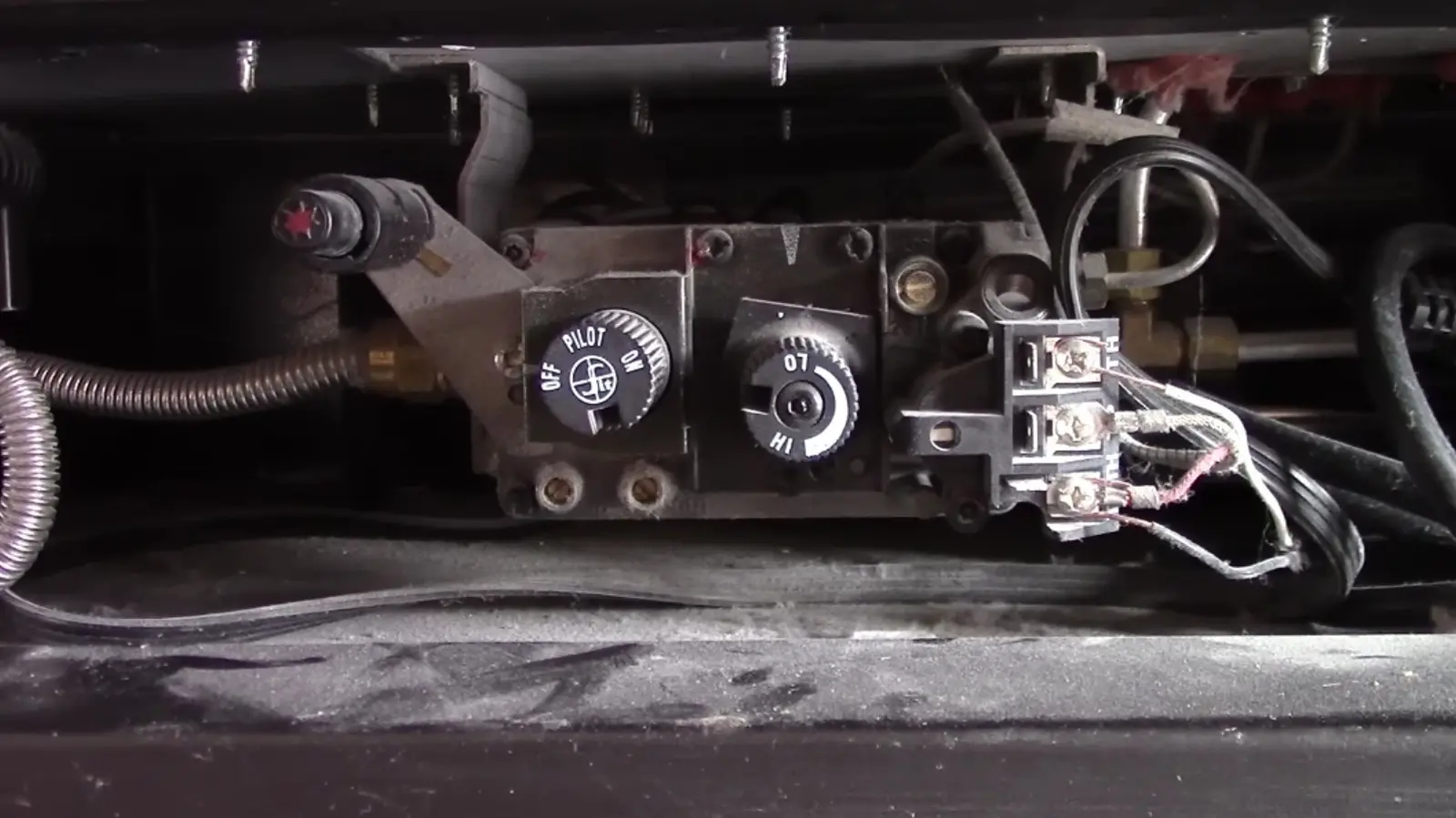
Another clue is the presence of a gas valve with a pilot setting. Many older appliances have a control knob that can be turned to the pilot position for lighting and relighting. If your appliance has such a knob, it probably uses a standing pilot light. Modern electronic systems typically do not require this kind of manual operation, as they ignite automatically when the appliance is used.
It is also worth checking the age of the appliance. Models manufactured in the last 10 to 15 years are much more likely to use electronic ignition. That said, some budget-friendly or specialty models may still use pilot lights, especially in commercial settings. If you are unsure, a licensed technician or the appliance manual can provide the answer.
Is It Worth Upgrading an Older Pilot Light Appliance?
The answer depends on the appliance and how much it is used. A gas fireplace with a standing pilot light can waste a considerable amount of fuel over a winter, as the 1997 study showed. Replacing the fireplace or adding a modern ignition system could reduce that waste. For a furnace, the difference may be even larger, since the furnace is one of the biggest energy consumers in a home.
However, a pilot light itself is not the only factor. Homeowners should consider the age, condition, and efficiency of the entire appliance. If the appliance is old and in need of frequent repairs, upgrading to a new model with an electronic ignition system could save money on both gas usage and maintenance. If the appliance is relatively new and working well, it may not be worth replacing just to remove the pilot light.
There are also conversion kits and aftermarket devices that can replace a standing pilot light with an electronic ignition system. These may sound appealing, but they must be installed carefully and only if they are approved for the specific appliance. Incorrect installation could create safety risks, so it is always best to consult a professional.
The Future of Gas Appliance Ignition
As energy efficiency regulations become stricter and homeowners look for ways to reduce their carbon footprint, the standing pilot light is likely to keep disappearing. Electronic ignition systems, hot surface igniters, and plasma igniters are already standard in many modern appliances. They provide the same convenience and reliability that pilot lights once provided, but with much less waste.
Meanwhile, gas appliances themselves are evolving. Some homes are moving toward electric heat pumps, induction cooktops, and other alternatives to gas. But for the millions of households and businesses that still rely on gas, the shift away from pilot lights is an important step toward safety and efficiency. Even in professional kitchens, where the standing pilot has deep roots, manufacturers are exploring newer ignition technologies that can match the speed and reliability of the old flame.
Understanding whether your gas appliance has a pilot light can help you make informed decisions about maintenance, energy use, and future upgrades. While the soft glow of a pilot light may soon become a rare sight, its role in the history of home heating and cooking cannot be overlooked. It was a clever solution for a dangerous problem, and it paved the way for the more efficient systems we use today.
Source: SlashGear News