

Key facts at a glance
- Product: Dyson CameraJet toothbrush
- Launch date: Sept. 1
- Price: $499
- Colors: Ceramic Ultra Blue and Ceramic Pink
- Camera: 100,000-pixel built-in camera
- AI system: Gap Optical Targeting uses machine learning to detect, track, and predict interdental gaps in real time
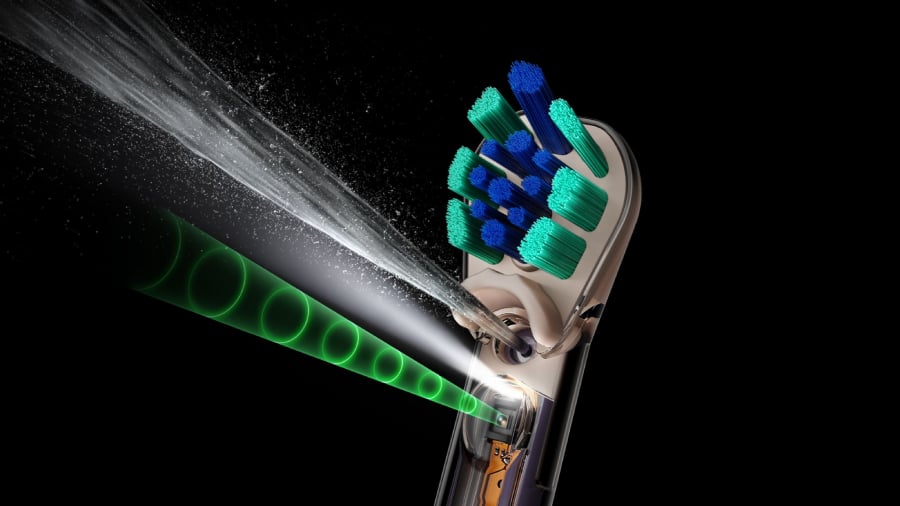
- Action: Triggers a targeted burst of mouth rinse when the brush reaches a gap
- Development: Six years, 661 engineers, 38 patents
- Recommended consumables: Non-foaming toothpaste and mouth rinse, about £8.50 ($11.48)
- Guarantee: Two-year guarantee
- Availability: Order on Dyson's website
- Diagnostic status: Not a diagnostic device and not a replacement for professional dental care
The next camera you point at your mouth may not be your phone. It could be your toothbrush. Dyson has built a camera into its new CameraJet toothbrush, but the camera is not there simply to give users a disturbing close-up of their teeth. It feeds live images into a machine-learning system that identifies gaps between teeth and triggers a targeted burst of mouth rinse when the brush reaches those gaps.
The device analyzes images of the mouth using a 100,000-pixel camera, enabling its Gap Optical Targeting system to detect, track, and predict interdental gaps in real time. That makes CameraJet more than a toothbrush with a camera attached. It can see part of the mouth, interpret what it sees, and change how it cleans based on that information.
The CameraJet went live on Sept. 1. It costs $499, with Ceramic Ultra Blue and Ceramic Pink available. Dyson recommends its non-foaming toothpaste and mouth rinse, claiming they are formulated to keep the camera's view clear. The recommended consumables cost about £8.50, or roughly $11.48. Users can order the brush on Dyson's website, and it comes with a two-year guarantee.
How Dyson turned the toothbrush into a vision system
Traditional toothbrushes relied almost entirely on the user to decide where and how to brush. Electric models automated the motion, while newer smart toothbrushes added sensors to track things such as pressure, coverage, and brushing time. Dyson's CameraJet is part of the newer smart category and adds computer vision to its system.
In simple terms, the system works as a loop: the camera sees, machine learning identifies the gap, and the toothbrush responds. The camera and targeting system were developed over six years by 661 engineers and are backed by 38 patents. That level of investment suggests Dyson views oral care as a long-term product category rather than a novelty add-on.
The camera is not designed to replace the user's eyes entirely. Instead, it gives the brush a new kind of awareness. It can spot spaces between teeth that are easy to miss with a standard brushing routine, then deliver a burst of rinse at the moment the brush passes over them. The result is a device that does not just measure brushing behavior; it tries to act on what it sees.
What a camera inside your toothbrush could mean for your teeth
Some toothbrushes already know how long you brush and, on some models, how much pressure you apply and which areas you may have missed. CameraJet introduces a different capability: the toothbrush can visually detect part of the mouth and respond to what it sees. That shifts smart oral care from simply measuring user behavior toward devices that can adapt their actions in real time.
A camera can capture visual information about the teeth and gums. At the same time, the addition of AI could help analyze that information for changes such as plaque buildup, gum redness, discoloration, or other abnormalities. For users, that could mean a future where your toothbrush does more than tell you where you missed during brushing. It could tell you what looks different and provide clues as to why, just like many wearables now do. That would move oral care from simply tracking brushing habits to continuously monitoring changes in your mouth.
CameraJet does not diagnose dental conditions, and Dyson has not positioned it as a replacement for professional dental care. For now, the camera is used to identify interdental gaps and guide targeted cleaning. But the broader direction is notable. As cameras, sensors, and machine learning move into everyday health devices, products such as toothbrushes may increasingly do more than track habits. They may begin adjusting their behavior based on what they detect.
Why interdental gaps matter
Interdental gaps are the spaces between teeth. They are among the harder areas to clean because a standard toothbrush may not reach them effectively. Food particles and plaque can collect there, raising the risk of cavities, gum inflammation, and more serious periodontal problems over time. Dental professionals often recommend floss, interdental brushes, or water flossers to clean between teeth, alongside regular brushing.
A toothbrush that can detect these gaps and target them with a rinse burst could make the process more convenient for people who struggle with consistent interdental cleaning. However, it does not remove the need for mechanical cleaning between teeth. A rinse burst may help flush debris or deliver active ingredients, but it is not the same as physically disrupting plaque with floss or an interdental brush. The device's long-term value will depend on how well its camera and machine-learning system perform in real-world bathroom conditions.
Those conditions are challenging. The mouth is wet, saliva and toothpaste can obscure the lens, lighting varies, and the brush moves quickly. Dyson's recommendation of non-foaming toothpaste and a specific mouth rinse appears designed to address at least part of that problem. Foam can cloud the camera's view, while a clearer liquid may help the system maintain a usable image stream. Still, accuracy will be key. If the camera misreads a gap or misses one, the targeted rinse may be less useful than intended.
Price, positioning, and what buyers get
At $499, the CameraJet sits at the premium end of the toothbrush market. Many high-end electric toothbrushes cost far less, though some flagship models with apps, sensors, and charging cases can reach into the hundreds of dollars. Dyson is positioning the CameraJet as a technology-first device, not a budget-friendly upgrade. The price reflects the camera, the machine-learning system, the engineering work, and the broader Dyson brand, which is known for premium home appliances and hair care tools.
The brush comes in Ceramic Ultra Blue and Ceramic Pink, and it includes a two-year guarantee. Dyson also sells the recommended non-foaming toothpaste and mouth rinse, which add an ongoing cost. That consumables model is familiar in the oral care industry: the initial hardware purchase is only part of the total expense. For buyers, the question is whether the camera-assisted cleaning experience justifies the premium price and the need to use specific products.
Dyson's entry into oral care also signals how consumer health devices are evolving. The company built its reputation on motors, airflow, and product design. A camera-equipped toothbrush extends those engineering skills into a new area: computer vision for personal care. The six-year development timeline and the large number of patents suggest that this is not a rushed product. It is a calculated bet that users will pay more for a toothbrush that can see and respond.
Privacy, accuracy, and the limits of smart oral care
A camera inside a toothbrush raises questions that go beyond brushing technique. If the device captures images of a user's mouth, how are those images processed? Are they analyzed on the device, stored, or sent to the cloud? Dyson has not positioned the CameraJet as a diagnostic tool, but any camera-equipped health product can collect sensitive information. Users will want clarity on data handling, especially as smart health devices become more common.
There are also accuracy limits. Machine learning can be powerful, but it is not perfect. A system trained to detect interdental gaps may work well under ideal conditions and less well when the mouth is full of saliva, the brush is moving, or the user has unusual dental anatomy. The device may improve over time through software updates, but its current role is narrow: identify gaps and trigger a rinse burst. It is not a dentist, a hygienist, or a diagnostic scanner.
That narrow role is still significant. It shows how everyday objects can gain perception and decision-making abilities. A toothbrush that can see part of the mouth and respond in real time is a small but concrete example of a broader trend. The same technological ingredients, cameras, sensors, and machine learning, are appearing in earbuds, watches, rings, and other wearables. Brain-monitoring earbuds, for example, are pushing wearables deeper into health tracking by using EEG sensors to estimate states such as focus, fatigue, and sleep, while raising new questions about accuracy and brain-data privacy.
What comes next for camera-equipped oral care
For now, the CameraJet's camera is used to identify interdental gaps and guide targeted cleaning. Dyson has not said that the device can diagnose cavities, gum disease, or other conditions, and it should not be treated as a substitute for regular dental visits. But the product points toward a future in which toothbrushes could monitor changes in the mouth over time, flag potential issues, and offer more personalized guidance.
If that future arrives, the most successful devices will likely be those that combine useful automation with clear limits. A toothbrush that helps users clean hard-to-reach gaps could be genuinely helpful. A toothbrush that overpromises diagnostic insight could create confusion or false reassurance. The difference will depend on evidence, regulation, and how transparent companies are about what their cameras can and cannot see.
At $499, the CameraJet is an expensive experiment in what a toothbrush can become. It uses a 100,000-pixel camera, a machine-learning targeting system, and a burst of mouth rinse to turn visual data into action. Whether that adds up to better oral health for most people will take time to determine. What is already clear is that the toothbrush is no longer just a handle, a head, and bristles. It is becoming a connected, sensing device that watches, learns, and responds.
Source: TechRepublic News