

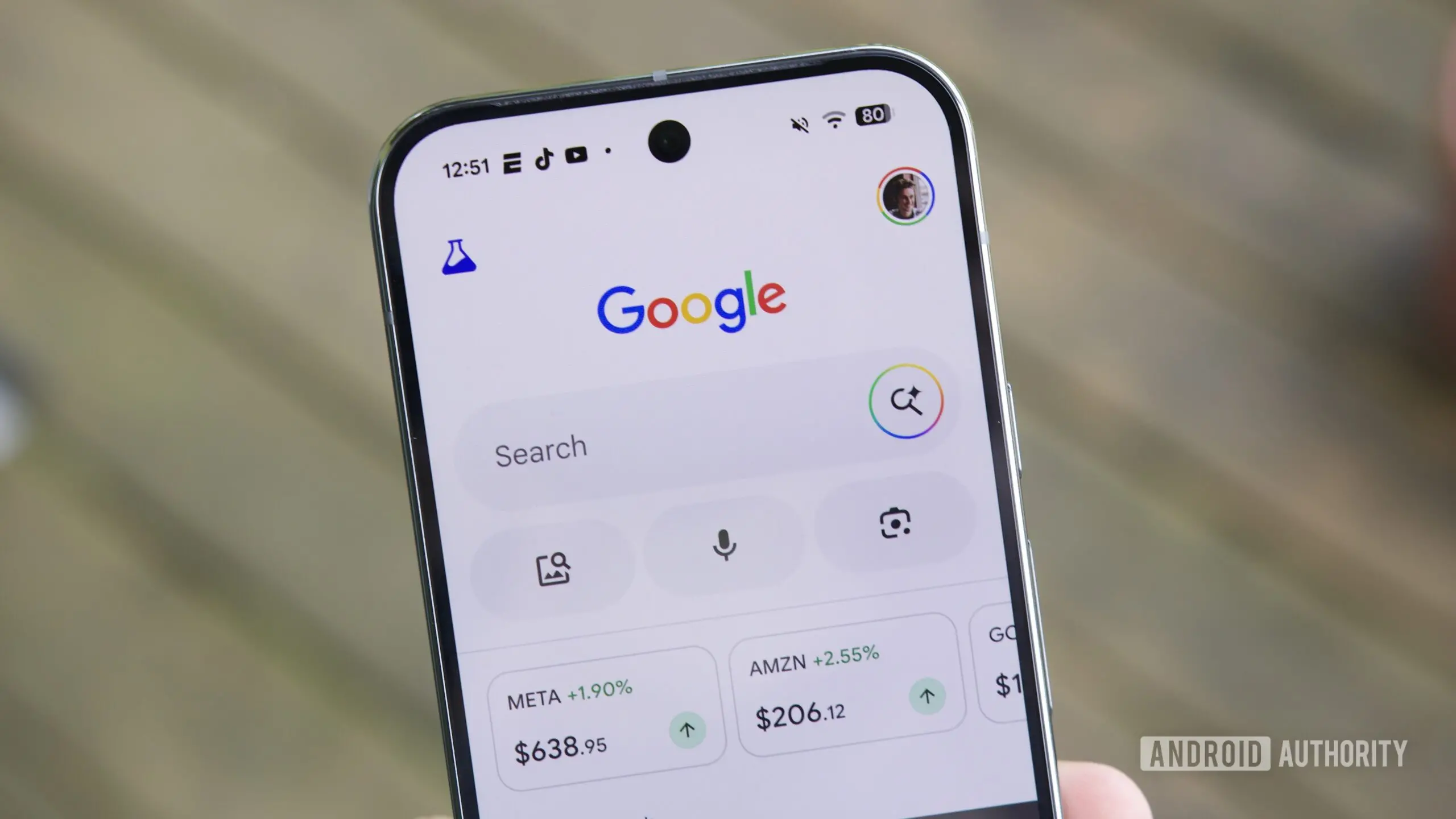
If you’ve been using Gemini with Gmail or Calendar, you’ll already know how much time it can save by pulling information from the apps you use every day. Google now wants to bring that same idea to Search, except this time it’s not just answering questions — it’s helping you actually get things done. Starting today in the US, you can switch to AI Mode in Google Search and link to supported third-party apps. The initial lineup includes YouTube Music, Canva, and Instacart.
What is AI Mode?
AI Mode is a feature within Google Search that leverages advanced language models to provide more conversational, context-aware answers. Unlike traditional search that returns a list of links, AI Mode synthesizes information from multiple sources and presents a direct response. It was introduced as part of Google's broader push to integrate generative AI across its products, competing with Microsoft’s Copilot and other AI assistants. Until now, AI Mode was primarily informational—answering questions, summarizing topics, and generating simple content. This new update marks a significant expansion: AI Mode can now interact with external services via APIs, turning search queries into actionable tasks.
The Evolution from Search to Action
The shift from passive information retrieval to active task completion is a major leap. Historically, search engines have acted as gateways to content. Users would search, click a link, and then perform actions on a separate website. AI Mode collapses this process. Instead of navigating to Canva, selecting a template, and editing manualy, you can simply type a request like “create a colorful invitation for a tropical-themed birthday party next Saturday.” AI Mode interprets the intent, sends the relevant parameters to Canva, and returns a ready-made design. The same applies to YouTube Music: “make a high-energy workout playlist” populates a curated list that you can save instantly. Instacart integration means you can say “I need snacks, drinks, and dessert for a party” and the shopping cart is pre-filled.
This level of automation recalls the early promises of personal digital assistants like Siri and Google Now, but with far greater capability. Those earlier assistants were limited to app-specific commands (e.g., “set a timer” or “call Mom”). AI Mode, powered by large language models, can understand complex, multi-step requests and coordinate across services without requiring the user to specify each step.
Current Integrations and Use Cases
Google has partnered with three initial apps, each representing a different domain: creative design (Canva), entertainment (YouTube Music), and shopping (Instacart). These choices are strategic—they cover common user needs that often involve tedious manual effort.
Canva: Instant Design
Creating visual content typically requires opening an app, browsing templates, customizing text and images, and exporting. With AI Mode, the heavy lifting is done by search. A prompt like “make a 1920x1080 flyer for a garage sale with a bold font and bright colors” will generate a design within seconds. Users can then open the design in Canva for further tweaks or download it directly. This could be a game-changer for small business owners, event planners, and social media managers who need quick, professional-looking graphics without learning design software.
YouTube Music: Curated Playlists
Building playlists is a time-consuming process of searching for songs, adding them one by one, and arranging the order. AI Mode can generate playlists based on mood, genre, decade, or activity. For example, “create a 90s hip-hop playlist perfect for a road trip” yields a tracklist sorted by popularity or tempo. You can preview a few songs and then save the entire playlist to your YouTube Music library. This feature also benefits from context: if you mention a party theme or guest demographic, the AI adjusts recommendations accordingly.
Instacart: Automated Grocery Cart
Grocery shopping online often involves manually searching for each item, comparing prices, and adding to cart. AI Mode can bypass that by taking a natural language description of your needs—like “vegetarian appetizers, a dozen eggs, and two liters of soda”—and populating the Instacart cart with appropriate products. The user retains final checkout control, but the tedious part is eliminated. For recurring orders, users can even save lists as templates. This integration is especially useful for meal planning and party preparation.
Technical Underpinnings
The ability to link search queries to third-party apps relies on a combination of technologies: Google’s AI models (likely a version of Gemini) for natural language understanding, app developers exposing APIs, and a new permissions system that lets users authorize connections. When a user enables AI Mode, they must sign into and grant permission for each app during a setup process. Once connected, the model can pass structured requests—such as “create design with these parameters” or “add items to cart”—to the respective service. Security is handled through OAuth, ensuring that Google cannot access the user’s account beyond what’s authorized.
One challenge is handling ambiguous requests. For example, “make a healthy dinner” could mean different things depending on dietary preferences. Google’s model uses context from past interactions (if permitted) or asks clarifying questions. In the Instacart example, it might suggest specific brands or substitutions if an item isn’t available. This adaptive behavior mirrors how a human assistant would operate.
Comparison with Other Ecosystems
Apple’s Shortcuts and Siri have allowed limited automation via workflows, but they require manual setup and are confined to Apple’s ecosystem. Amazon’s Alexa Skills enable voice-driven tasks but are often rigid and require explicit invocation. Google’s AI Mode aims to be more fluid: you can type or speak a request, and the system figures out which app handles it. The key differentiator is the language model's ability to understand intent without rigid command structures. This aligns with Google’s vision of a “universal assistant” that helps across all digital life.
Microsoft’s Copilot has similar ambitions, but it is tightly integrated with Office 365 and Bing. Google’s advantage is its massive search index and existing user base, plus the ability to piggyback on the search interface millions already use daily.
Privacy and Control Considerations
With great power comes great responsibility. Linking your Canva, YouTube Music, and Instacart accounts to Google Search raises privacy questions. Google states that data shared with third-party apps is only used to fulfill the request and is not stored or used for ad targeting without consent. Users can revoke access at any time from their Google Account settings. Additionally, AI Mode will show a summary of what data it will share before executing a task, and it will ask for confirmation for potentially costly actions (like placing an order or paying for a premium Canva design). These guardrails attempt to balance convenience with user control.
Nevertheless, users should be cautious: if you grant access, Google could potentially retrieve personal data from those accounts (e.g., your Instacart purchase history) to improve recommendations. The default setting likely minimizes data collection, but it’s worth reviewing permissions.
Future Integrations and Potential
Google has announced it is working with additional partners, but hasn’t named names. Likely candidates include delivery services (DoorDash, Uber Eats), productivity tools (Notion, Todoist), travel booking (Kayak, Airbnb), and smart home platforms. The goal is to transform AI Mode into a unified command center for everyday digital tasks. Imagine booking a flight, creating a packing list in Keep, playing an audiobook, and ordering lunch—all from a single search prompt.
This could also signal a shift in how Google monetizes Search. Currently, revenue comes from ads. If AI Mode becomes a task fulfillment hub, Google might take a commission on transactions initiated through its platform, similar to affiliate models. Alternatively, it could offer premium tiers with faster processing or more integrations.
The long-term vision is a system that proactively anticipates needs. For instance, if your calendar shows a birthday next week, AI Mode might suggest creating a Canva invitation and ordering a cake via Instacart, then ask if you’d like to proceed. This proactive assistant concept has been discussed for years, but until now, the technology and partnerships weren’t ready. Google’s widespread app ecosystem puts it in a prime position to realize that vision.
Challenges Ahead
Several hurdles remain. First, reliability: if AI Mode misunderstands a request and adds the wrong items to a cart or creates an ugly design, user trust erodes. Google must ensure the model is highly accurate, especially for paid services. Second, competition: Apple and Amazon are also deepening their AI integrations, and Microsoft is pushing Copilot aggressively. Third, regulatory scrutiny: European and other regulators may question data sharing between Google and third parties, especially given Google’s past antitrust issues. Fourth, universal availability: currently US-only; international expansion will require localization and compliance with local data laws.
Another issue is the potential for over-reliance. If users stop performing manual tasks, they may lose the context that helps them make better decisions (e.g., choosing the best product price). Google has tried to mitigate this by keeping the user in the loop for purchases, but the line between assisting and controlling is thin.
What This Means for the Average User
For most people, this update will save time. Planning a party or a meal becomes a one-stop experience: you search, the AI does the boring parts, and you polish the result. The integration with YouTube Music means you never have to manually build a playlist again—something many people spend hours on. Instacart users will appreciate not having to scroll through every brand and size option.
However, the feature is opt-in, so those who prefer to keep their apps separate can ignore it. The real test will be adoption: if enough users connect their accounts and find value, Google will accelerate development. Early feedback from beta testers has been positive, citing the convenience of not jumping between apps. As more services join, the utility grows exponentially.
In summary, Google Search’s AI Mode is evolving from a passive knowledge engine into an active doer. By bridging the gap between search and execution, it brings the promise of a truly intelligent assistant closer to reality—one that doesn’t just tell you the answer, but picks up the phone and makes the reservation.
Source: Android Authority News