

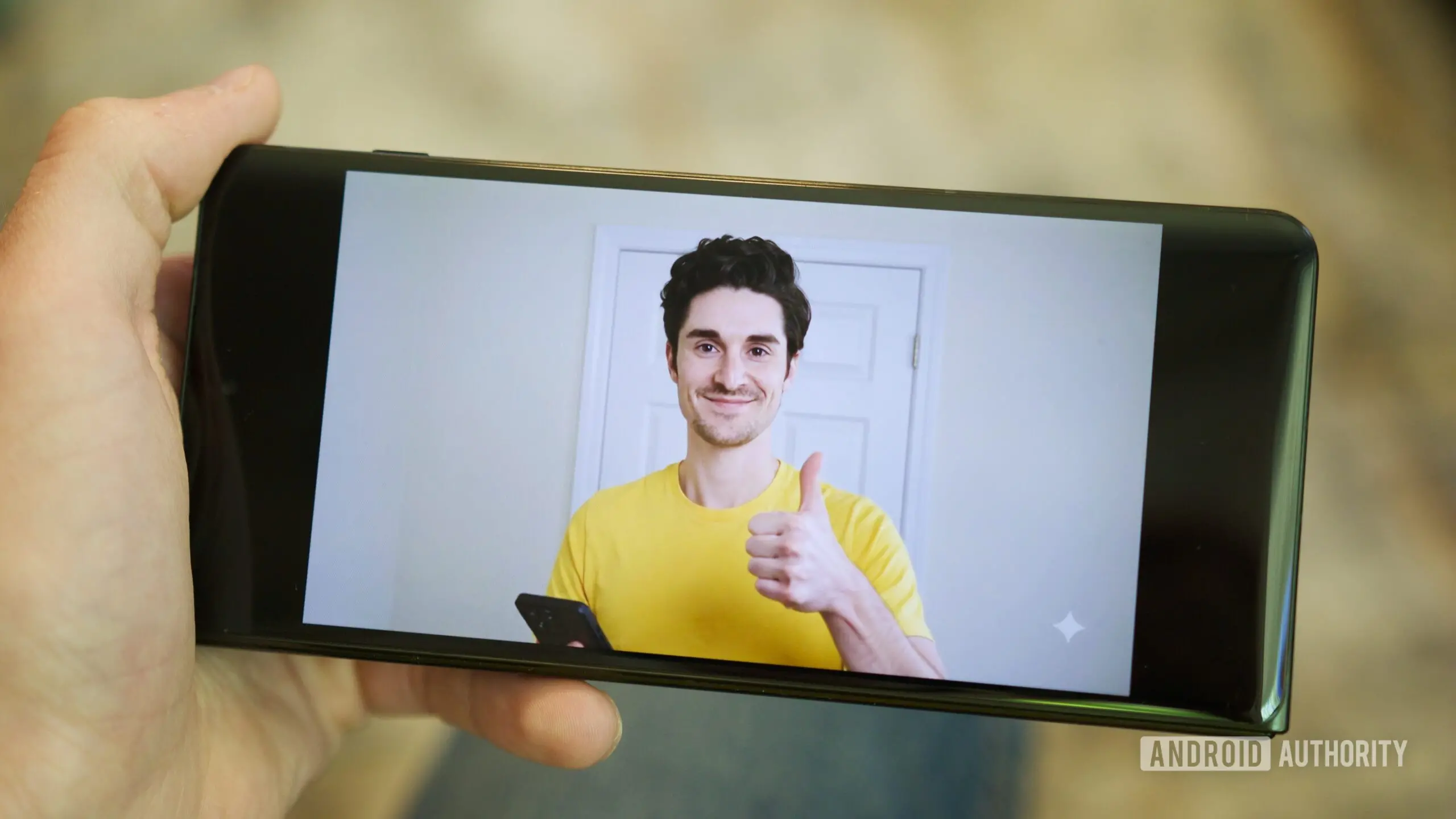
Google has unveiled a major overhaul for its Vids video creation platform, integrating the powerful Gemini Omni model to transform how users produce and edit videos. The update, announced on July 16, 2026, positions Vids as a formidable tool for both casual creators and professionals seeking to streamline their workflow without sacrificing quality.
What is Gemini Omni?
Gemini Omni is Google's multimodal video generation model first showcased at I/O 2026. Unlike traditional editing software that requires manual timeline manipulation, Omni allows users to manipulate video by simply describing what they want. Need to change a background from a sunny beach to a moody cityscape? Just type it. Want to improve lighting or add visual effects? Gemini handles it. This represents a fundamental shift from tool-based editing to intent-based creation, making video production accessible to anyone, regardless of technical skill.
Personal Avatars: Your Digital Twin in Video
Perhaps the most talked-about feature is the ability to create a personal AI avatar. Users upload a single selfie and a short voice recording, and Vids generates a digital version that can deliver any script. This eliminates the need for retakes, lighting setups, or even stepping in front of a camera—perfect for explainer videos, presentations, or social media content. Google has implemented strict safeguards: avatars can only be used with the account holder's own likeness, are limited to users over 18 in supported regions, and every clip includes an invisible SynthID watermark for provenance verification.
The technology behind these avatars builds on Google's previous research in person-consistent video generation. Early experiments with DreamBooth and Imagen Video laid the groundwork, but Gemini Omni's efficiency allows real-time generation from minimal input. The ethical considerations are carefully addressed—users cannot impersonate others, and the watermark ensures traceability, helping combat deepfake misuse.
Expressive Voice Controls
Google is also introducing granular voice steering for AI narration. Creators can insert bracketed commands like "[excitedly]" or "[whisper]" directly into scripts to alter the avatar's tone, pace, and emotions. The system supports automatic suggestions when typing an opening bracket, and a new "Apply audio tags" feature can intelligently add appropriate cues throughout the script without manual effort. This allows for dynamic storytelling without the need for professional voice actors or extensive audio editing.
The voice steering tools are available across Rapid Release and Scheduled Release domains, compatible with Google Workspace Business, Enterprise, Education Plus, nonprofits, individual users, and personal Google accounts (including Google AI Pro and Ultra subscribers). No admin intervention is required—the feature rolls out automatically.
Background and Context
Google's push into AI-assisted content creation has been steady. Earlier this year, the company integrated Gemini into Workspace apps like Docs and Gmail to assist with text. Vids, which launched as a simple video editor, now competes directly with startups like Runway, Pika, and Synthesia. The inclusion of personal avatars mirrors Synthesia's offering but with the advantage of deeper integration into Google's ecosystem. The use of SynthID—Google's digital watermarking technology—sets a standard for transparency in AI-generated content, addressing growing concerns about misinformation.
The update also marks a significant advancement in multimodal AI. While previous models could generate images or text from prompts, Gemini Omni's ability to understand and modify existing video clips in context represents a leap forward. For example, a user could upload a rough cut of a product review and ask Gemini to "make the lighting warmer" or "add a slow zoom on the product." The model processes the request by analyzing every frame, maintaining consistency with the original footage.
Availability and Accessibility
As of now, the new features are rolling out to all US Google account holders, with additional countries expected soon. Google has positioned Vids as a tool for everyone—from educators creating lesson content to marketers producing ads. The automatic watermarking ensures that even free-tier users generate verifiable media. However, the personal avatar feature's restriction to users over 18 highlights the sensitivity around AI-generated likenesses.
For enterprise clients, the integration with Workspace means seamless collaboration. Teams can work on the same project, leave comments, and use Gemini for real-time edits within a shared environment. The expansion of voice steering also opens new possibilities for accessibility—users with speech impairments can now generate narration that sounds natural and expressive without recording their own voice.
Competitors are not standing still. Runway recently announced similar text-to-video editing capabilities, and Synthesia has added more avatar customization options. However, Google's advantage lies in its massive user base, existing cloud infrastructure, and the synergy between Vids, YouTube, and other Google platforms. By weaving AI video creation into the daily toolset of millions of Workspace users, Google may accelerate adoption of AI-generated video content in professional contexts.
The technology also has implications for the creative industry. While some fear that AI will replace jobs, tools like Vids are more likely to augment human creativity by handling time-consuming tasks like color correction, background removal, and audio synchronization. The ability to iterate quickly using natural language could lower the barrier to entry for aspiring filmmakers and content creators.
In terms of data privacy, Google assures that uploaded selfies and voice samples are used solely for avatar generation and are not shared with third parties. The SynthID watermark is embedded in the video itself, making it detectable by Google's verification tools without affecting visual quality. This addresses concerns about deepfakes and unauthorized use of someone's likeness.
The road ahead includes continuous improvements to Gemini Omni's capabilities. Google has hinted at future updates that will allow real-time collaboration with avatars—multiple characters interacting in the same scene. Also in development are more advanced emotion detection, so the AI can infer the appropriate tone from the script's content rather than relying solely on manual tags.
Overall, these updates make Google Vids a compelling choice for anyone looking to produce high-quality video content quickly. The combination of intuitive natural language editing, personalized avatars, and expressive voice controls brings professional-grade production within reach of the average user. As AI continues to reshape content creation, Google's gamble on multimodal models like Gemini Omni positions it at the forefront of the next wave of digital media tools.
Source: Android Authority News