

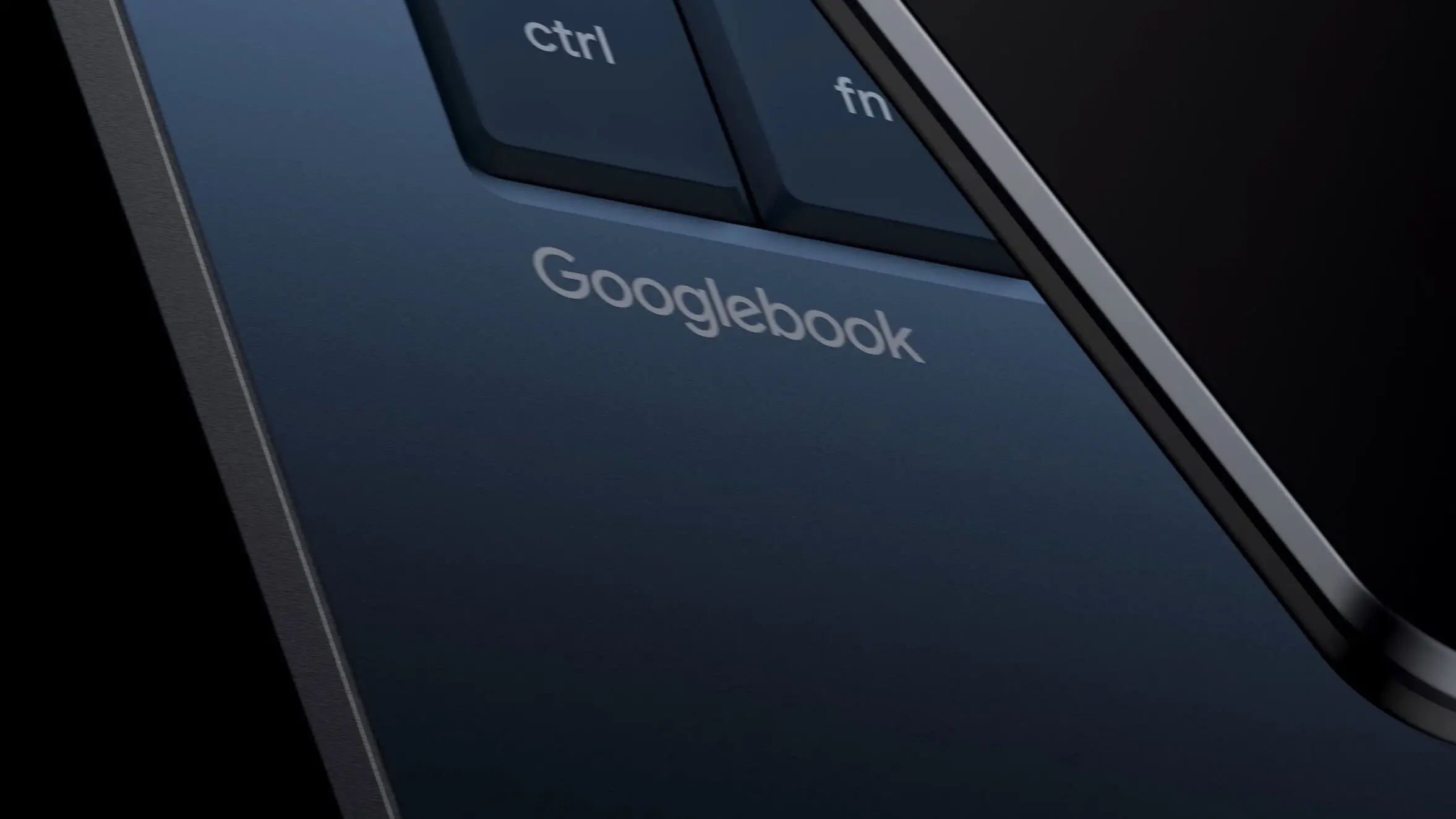
After months of leaks, speculation, and mounting anticipation, Google has finally announced when it will unveil its first Googlebook laptops. The tech giant is expected to hold a dedicated launch event in New York City on September 15, where it will showcase its new Android-based computing platform to the world.
The event marks a significant milestone in Google’s push to expand beyond traditional Android smartphones and Chromebooks. According to reports, Google has invited members of the media to an in-person preview event, giving journalists and industry insiders their first official look at the hardware, software, and partnerships that will shape the Googlebook ecosystem.
Google’s New Laptop Platform: What We Know So Far
Google first announced Googlebooks in May as a new category of premium laptops built on the Android technology stack. Unlike traditional Chromebooks, which run on ChromeOS, Googlebooks are designed to bridge the gap between web-based productivity and native Android applications. This hybrid approach is intended to offer users the best of both worlds: the lightweight, cloud-centric experience of ChromeOS combined with the vast app ecosystem of Android.
The initiative has attracted several major hardware partners, including Acer, ASUS, Dell, HP, and Lenovo. These five companies are expected to be the first to launch Googlebook devices, with the initial wave arriving later this fall. The collaboration suggests that Google is taking a similar approach to its Pixel phone strategy, working closely with partners to deliver a consistent hardware experience while leaving room for differentiation.
The September 15 Event: What to Expect
According to a report from Chrome Unboxed, the September 15 event will be a full hardware showcase. It is expected to include a keynote presentation from Google leadership, covering the new computing platform, its underlying software architecture, and Google’s long-term vision for unifying its two major operating systems. The keynote will likely address how Googlebooks build on the existing strengths of ChromeOS and Android, while also explaining how the two will coexist in the future.
Media attendees will reportedly have access to dedicated demo stations where they can test Googlebooks from all five launch partners. This hands-on access is a clear sign that Google is confident in the maturity of the platform and wants to generate early buzz through detailed reviews and benchmark testing. Being able to photograph, film, and benchmark the devices will allow journalists to offer in-depth analysis before the products hit store shelves.
The event will also serve as a platform for Google to showcase the distinctive design language of Googlebooks. Leaked renders have already revealed a standout hardware feature: the Glowbar. This light bar, which is expected to be integrated into the lid or keyboard area, is designed to provide visual notifications and assist with Gemini-powered features. It is likely to become as iconic to Googlebooks as the Touch Bar was to certain MacBook models, though Google’s implementation is expected to be more functional and less divisive.
Aluminium OS: The Name Behind the Software
One of the most eagerly anticipated announcements at the September event is the official name of the operating system that powers Googlebooks. So far, Google has not publicly committed to a name, and the tech community has taken to calling it “Aluminium OS” based on leaked code references and internal documentation.
The choice of a metallic element as a placeholder name is reminiscent of Google’s earlier Android version naming conventions, which were once based on desserts before shifting to numbers. However, Aluminium OS is not an official Google branding; it is simply a term used by enthusiasts and journalists to describe the hybrid system. The actual name could be something entirely different, and Google is expected to leverage the September 15 event to make the announcement.
The software has been in development for several years, and Google has been careful to keep its branding under wraps. The company has consistently referred to it as “the operating system powering Googlebooks” in official communications, avoiding any codename leaks. This secrecy is typical of Google’s product launches, where branding decisions are often kept confidential until the last moment to maximize media impact.
Hardware Leaks and Partner Devices
Despite Google’s tight-lipped approach, leaks have provided a fairly clear picture of what the first Googlebooks will look like. Lenovo’s Googlebook 15 has surfaced in multiple leaked renders, showing a sleek, premium laptop with a large display and a keyboard that includes a dedicated Gemini assistant key. The device appears to feature a metal unibody construction, which aligns with Google’s promise of premium materials.
ASUS has also been spotted preparing its own Googlebook model, with renders indicating a similar design language to Lenovo’s offering. Both devices share the Glowbar, which is expected to serve as a notification light and a visual indicator for the Gemini voice assistant. The Glowbar’s placement and behavior could vary slightly between manufacturers, giving each a unique identity while maintaining a cohesive ecosystem look.
Dell, HP, and Acer have remained more secretive, but industry analysts expect their devices to launch alongside the first wave. Some reports suggest that HP and Dell will target enterprise users, while Acer and ASUS will focus on consumer audiences. Lenovo may bridge both worlds, offering configurations suitable for work and home.
Bridging ChromeOS and Android
At its core, the Googlebook platform is an ambitious effort to unify Google’s two operating ecosystems. ChromeOS has long been praised for its simplicity, security, and speed, but it has struggled with native app support. Android, on the other hand, offers millions of apps, but the experience on larger screens has historically been inconsistent.
Googlebooks aim to solve this by making Android apps run seamlessly on a desktop-style interface. The new OS will likely include a desktop mode similar to Samsung DeX, allowing users to resize windows, use keyboard shortcuts, and multitask with ease. At the same time, it will retain support for Progressive Web Apps, ensuring that the web productivity advantages of ChromeOS are not lost.
Developers are expected to play a crucial role in the platform’s success. If Google can demonstrate that Android apps can run flawlessly on Googlebooks, it could attract many more developers to optimize their apps for large screens. This would create a flywheel effect, making Googlebooks more appealing to consumers and businesses alike.
Gemini Integration and Glowbar Features
Artificial intelligence is set to be a major focus of the Googlebook experience. The Glowbar, which has appeared in both Lenovo and ASUS leaks, is likely to be closely tied to Gemini, Google’s advanced AI assistant. The light bar could provide visual cues when Gemini is listening, processing a request, or delivering a notification.
Google has already integrated Gemini into Android and ChromeOS in various ways, including AI-powered writing assistance, smart photo editing, and context-aware search. On Googlebooks, Gemini is expected to be more deeply embedded, perhaps offering system-wide AI features such as real-time translation, meeting summarization, and automated workflow suggestions.
The hardware controls around the Glowbar might include a dedicated assistant button, similar to the Copilot key on Windows laptops. This would allow users to invoke Gemini instantly from the keyboard, making it a core part of the interaction model rather than an afterthought.
Market Positioning and Consumer Appeal
Googlebooks are entering a competitive laptop market dominated by Windows and macOS. To succeed, Google will need to offer something that sets its platform apart. Premium materials, strong AI integration, and a seamless Android app experience could be the key differentiators.
Pricing will also be critical. If Googlebooks are positioned as premium devices, they will need to justify their cost against high-end Ultrabooks and MacBooks. However, some partners may offer mid-range configurations, as Lenovo’s Googlebook 15 might be a mainstream device rather than a flagship.
Google’s previous attempts at hardware have had mixed results, but the company has learned valuable lessons from its Pixel line. The Googlebook initiative benefits from years of refinement in both software and hardware, and the choice of multiple launch partners indicates that Google is committed to building an ecosystem rather than just a single product.
The Road Ahead
With the September 15 event just weeks away, excitement is building among tech enthusiasts and industry watchers. The reveal will likely clarify Google’s long-term strategy and set the stage for a new era of hybrid computing. Whether Googlebooks can disrupt the laptop market remains to be seen, but the combination of Android’s app ecosystem, ChromeOS’s simplicity, and AI-driven features makes it a compelling proposition.
For now, all eyes are on New York City, where Google will pull back the curtain on its newest platform. Consumers can expect to see hands-on impressions, benchmark results, and first-look videos emerge shortly after the event. The official branding for the operating system is likely to be announced during the keynote, followed by pre-order availability for some models.
As the launch date approaches, more details will inevitably surface. But one thing is clear: Google is serious about creating a new category of laptops, and September 15 will mark the beginning of that journey.
Source: Android Authority News