

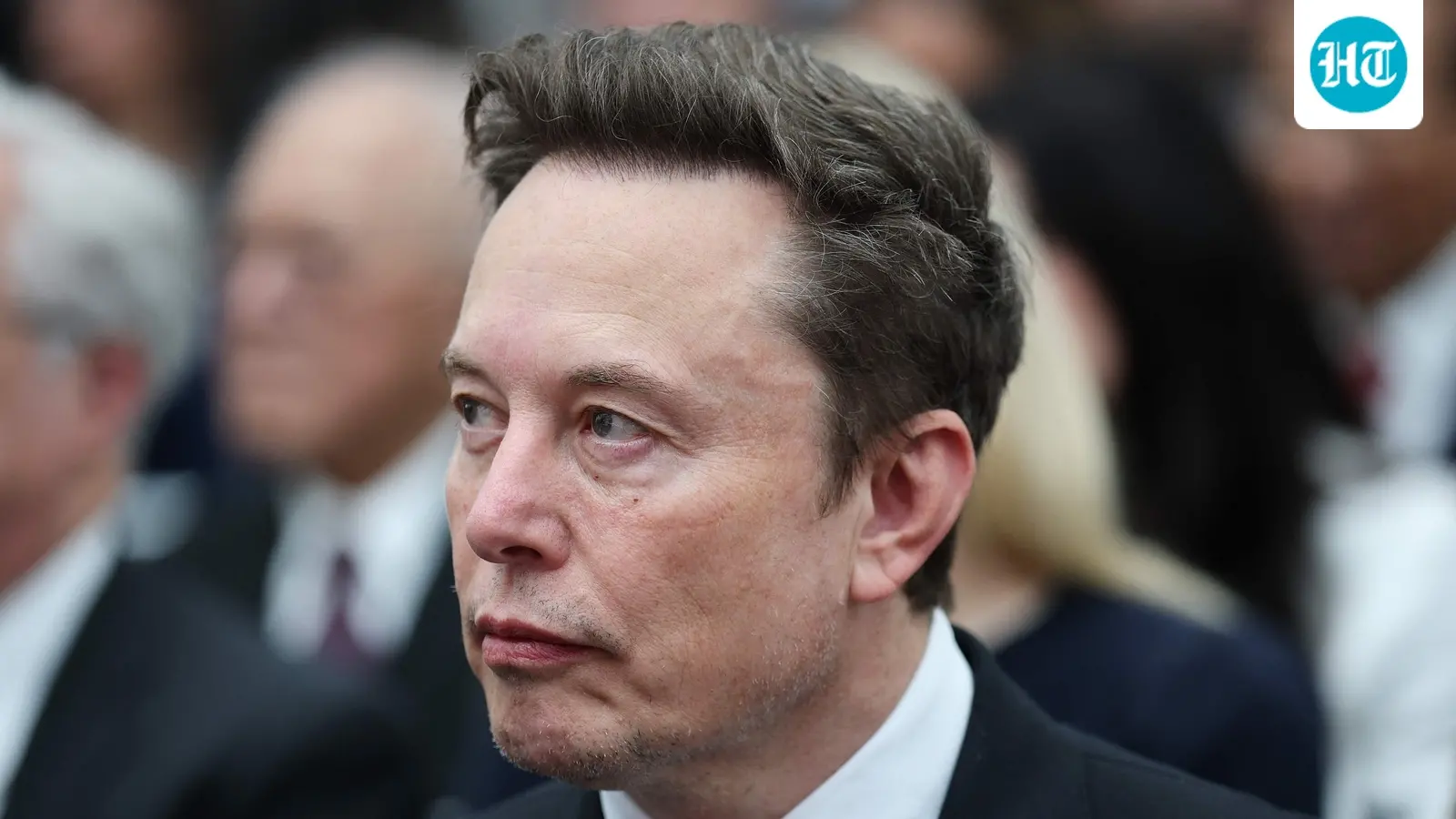
Elon Musk is stepping up his push to bring Starlink satellite broadband to India, using his public platform to argue that more competition in the country’s internet market would benefit the average citizen. The latest intervention comes amid a widening dispute with Mukesh Ambani, Asia’s richest man and the head of Reliance Industries, over delays in launching Starlink’s satellite broadband services in India.
Musk’s argument is straightforward: India’s internet market is vast, fast-growing and still unequal. Millions of people in rural, mountainous, coastal and conflict-affected areas remain poorly served by terrestrial networks. Satellite broadband, he suggests, can fill gaps that fiber and mobile towers cannot easily reach. In his view, allowing Starlink to compete would give consumers more choices and pressure incumbent operators to improve coverage and pricing.
Key Facts
- Elon Musk is increasing his public campaign for Starlink’s entry into India.
- He says competition in satellite broadband would benefit the average citizen.
- His remarks come amid a dispute with Mukesh Ambani over delays in launching Starlink services.
- India is one of the world’s largest internet markets, with substantial rural connectivity gaps.
- Starlink still faces regulatory, spectrum, security and pricing questions in India.
Why India Is Central to Starlink’s Global Ambitions
India is not just another market for satellite internet. It is the world’s most populous country, with a digital economy expanding rapidly across e-commerce, fintech, education, healthcare and entertainment. Hundreds of millions of Indians have come online in the past decade, driven by cheap mobile data and widespread smartphone adoption. Yet the quality and reliability of connections vary enormously. Urban users may enjoy 5G and fiber, while many villages still struggle with patchy 4G, slow speeds and frequent outages.
That gap is precisely where satellite broadband providers see opportunity. Low Earth orbit satellite constellations can beam internet directly to dishes and terminals without relying on expensive underground cable or distant cell towers. For remote schools, primary health centers, farming communities, disaster response teams and small businesses, satellite links can be transformative. Starlink, with thousands of satellites already in orbit, is the most prominent player in that field, and India represents one of the biggest prizes available.
For Musk, India is also a strategic test. If Starlink can secure approvals in a market as large and complex as India, it would strengthen the company’s case in other countries where regulators remain cautious. India’s decision could influence how other developing economies treat satellite broadband: whether they see it as a complement to terrestrial networks or as a disruptive competitor to state-linked telecom champions.
The Clash With Mukesh Ambani
The dispute with Ambani adds a political and commercial edge to the debate. Reliance Jio, controlled by Ambani, has reshaped India’s telecom sector over the past decade by driving down mobile data prices and building a massive subscriber base. Jio’s dominance gives it enormous influence over how India’s digital infrastructure evolves, including in satellite communications. The company has its own satellite broadband ambitions, and it has argued that satellite spectrum should be allocated through an auction rather than administrative assignment.
Musk has pushed back against that position. He has argued that auctioning satellite spectrum is not the global norm and could raise costs, delay deployment and reduce competition. Satellite operators typically share spectrum in ways that require coordination, not exclusive ownership, making auctions technically complicated. Musk’s latest comments suggest he wants Indian policymakers to move faster and not let incumbent telecom interests determine the pace of reform.
The disagreement is not merely personal. It reflects a deeper battle over the rules of India’s next connectivity phase. If satellite spectrum is auctioned, deep-pocketed incumbent telecom firms may be best placed to win it, potentially limiting new entrants. If it is assigned administratively, satellite operators like Starlink could gain a foothold more quickly, but incumbents warn that this could create an uneven playing field because they paid billions for terrestrial spectrum.
Regulatory Hurdles and Delays
Starlink’s India journey has been marked by stops and starts. The company has incorporated a local subsidiary, applied for necessary licenses and engaged with Indian authorities. It has also faced questions about security, data localization, gateway stations and lawful interception. Indian regulators have been careful, balancing the desire for investment and innovation with concerns about national security and market order.
Satellite broadband services in India require clearances from multiple agencies, including the Department of Telecommunications and the space regulator. Spectrum allocation is a central issue. The government has moved toward a framework for satellite communication services, but the details matter enormously. Operators need to know how much spectrum they will get, at what price, under what conditions and with what rollout obligations.
Delays have frustrated Starlink and its potential customers. Many Indians had pre-registered interest in Starlink years ago, only to see the service remain unavailable. The company has had to navigate a changing regulatory landscape, including new telecom legislation and consultations on spectrum. Each step creates uncertainty for investment and planning.
What Competition Could Mean for the Average Citizen
Musk’s claim that competition would benefit the average citizen is partly about prices and partly about coverage. In a competitive market, providers have incentives to lower entry costs, improve customer service and expand to underserved areas. Satellite broadband could put pressure on terrestrial providers, especially in regions where a single operator or a small number of operators dominate. It could also offer a backup connection during natural disasters, when fiber and mobile networks are damaged.
However, satellite internet is unlikely to be cheap at first. User terminals, installation and monthly plans can be expensive compared with mobile data in India, where consumers are used to some of the lowest data prices in the world. For satellite broadband to benefit the average citizen, pricing must fall substantially. That may require local manufacturing, economies of scale, government subsidies for rural connectivity or bundled packages with telecom operators.
There is also the question of speed and capacity. Satellite constellations can deliver high-speed, low-latency connections, but capacity is shared among users in a coverage area. In dense urban neighborhoods, satellite may not match fiber. Its biggest advantage is in remote and hard-to-reach places, where the alternative is often no connection at all or a slow one.
Competing Visions for India’s Satellite Market
India already has several satellite broadband plans in various stages. Reliance Jio has partnered with satellite operators to offer services, while Bharti Airtel has invested in OneWeb, a low Earth orbit constellation. Other global players, including Amazon’s Project Kuiper, are also watching India closely. The government, meanwhile, has its own ambitions for space-based connectivity and has encouraged domestic space startups.
This crowded landscape makes coordination essential. Satellite operators must avoid interference with one another and with terrestrial networks. They need landing stations, ground infrastructure and distribution partners. They also need to comply with India’s security and privacy rules. The more players enter, the more complex the regulatory task becomes.
For consumers, competition among satellite providers could eventually bring better deals. But for incumbents, the arrival of Starlink and others represents a potential challenge to their control over the last mile. That is why the debate over spectrum allocation has become so heated. It is not just about technology; it is about who gets to shape India’s digital future.
Global Context and Precedents
Starlink operates in dozens of countries across North America, Europe, Latin America, Asia and Africa. Its rollout has often been faster where regulators allow administrative spectrum assignment and flexible licensing. In some countries, it has partnered with local telecom firms; in others, it has competed directly. Regulatory battles have been common, especially where incumbent operators have strong political connections or where governments worry about foreign control of critical infrastructure.
India’s approach will be watched closely by other emerging economies. If India permits Starlink to operate on terms that encourage competition, it could become a model for countries seeking to connect remote populations without waiting years for fiber. If India imposes heavy conditions or delays approval, satellite operators may reassess their timelines and investments.
What to Watch Next
The next phase will depend on decisions by Indian regulators and the government. Key questions include whether satellite spectrum will be assigned administratively or auctioned, what license fees and rollout obligations will apply, and how security concerns will be addressed. Starlink’s pricing in India will also be crucial. Even with regulatory approval, the service must be affordable enough to attract meaningful demand beyond a niche of early adopters.
Musk’s public pressure campaign is designed to keep the issue in the headlines and to signal that Starlink is ready to invest. Ambani’s side, meanwhile, will continue to argue that rules must protect fair competition and returns on existing investments. The outcome will shape not only the fortunes of two billionaire-led empires but also the speed at which millions of Indians get access to reliable, high-speed internet.
For now, the debate is less about whether satellite broadband will arrive in India than about who will control the terms on which it does. Musk wants those terms to favor rapid entry and competition. Ambani wants them to protect a level playing field as he defines it. The average citizen, whose interests both sides claim to champion, will ultimately be affected by the prices, coverage and choices that emerge from the struggle.
Source: Hindustan Times News