

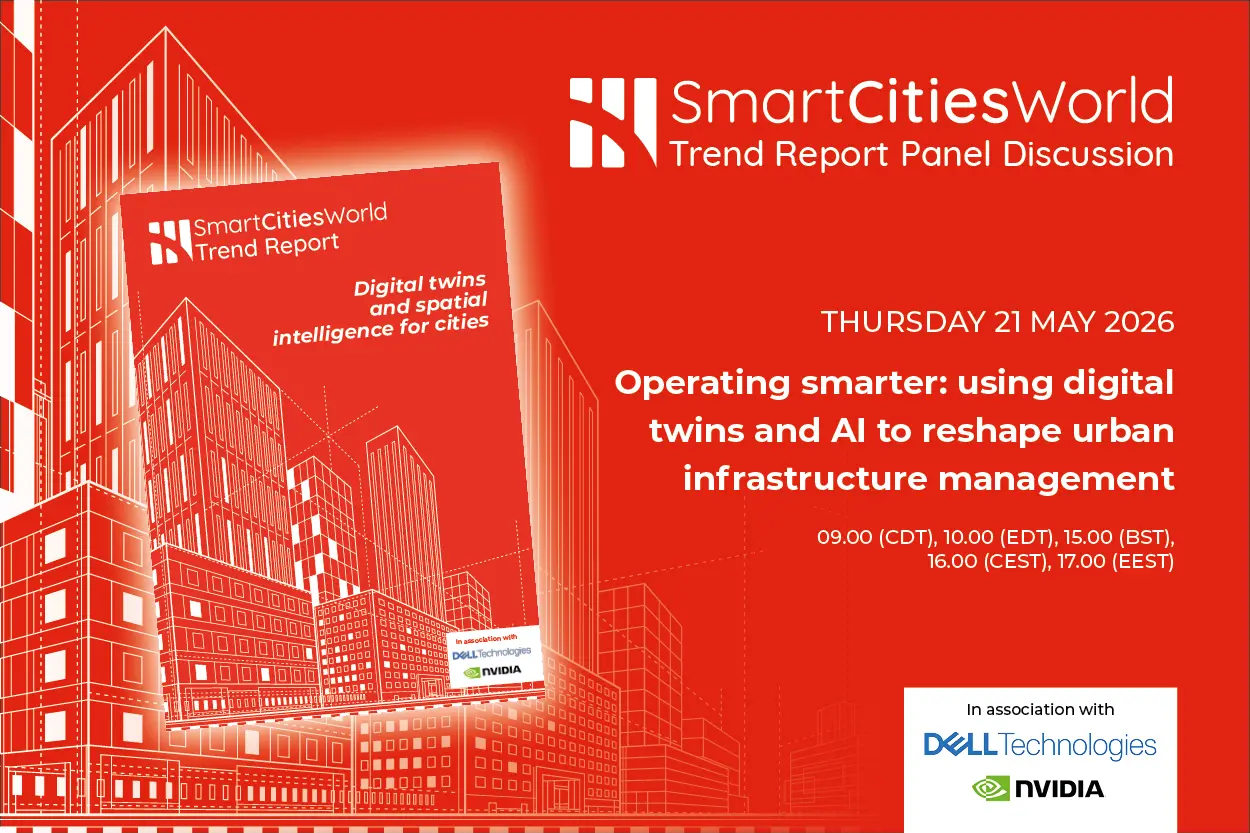
Urban infrastructure is the backbone of modern city life, encompassing everything from energy grids and transportation networks to water systems and public spaces. As cities grow and face mounting pressures from climate change, population increases, and aging assets, traditional management approaches are proving insufficient. Two transformative technologies—digital twins and artificial intelligence (AI)—are emerging as powerful tools to help city leaders operate smarter, not harder. By creating virtual replicas of physical systems and applying intelligent algorithms to optimize performance, municipalities can reshape how they plan, maintain, and upgrade critical infrastructure.
What Are Digital Twins and How Do They Work?
A digital twin is a dynamic, virtual representation of a physical object, process, or system that mirrors its real-world counterpart in real time. Using data from sensors, IoT devices, and other sources, a digital twin continuously updates to reflect changes in the physical asset. City planners can then simulate different scenarios, predict outcomes, and test interventions without disrupting actual operations. For example, a digital twin of a city’s water network can model the impact of a major pipe break, analyze pressure changes, and recommend the optimal valve closures to minimize service disruption.
The concept originated in manufacturing and aerospace but has rapidly gained traction in urban management. According to industry experts, digital twins enable a shift from reactive to proactive maintenance. Instead of waiting for a bridge to develop visible cracks, engineers can use strain gauge data and AI models to detect subtle structural changes that precede failure. This predictive approach saves money, extends asset life, and improves public safety.
AI’s Role in Intelligent Infrastructure
Artificial intelligence amplifies the power of digital twins by analyzing vast amounts of data to uncover patterns, optimize performance, and automate decision-making. Machine learning algorithms can process historical and real-time data from multiple sources—traffic cameras, weather stations, energy meters—to improve traffic flow, reduce energy consumption, or predict demand for public services. In the energy sector, AI helps grids balance supply and demand, integrate renewable sources like solar and wind, and manage storage systems efficiently.
One compelling example comes from the transport domain. As agencies turn to AI to improve services, the greatest opportunities depend on strong data foundations, workforce readiness, and responsible governance, notes a technology leader from a major firm. AI can optimize bus schedules, predict maintenance needs for trains, and even detect potholes from street-level imagery. However, successful implementation requires not just technical tools but also training for staff and clear ethical guidelines to ensure fairness and privacy.
Strategic Procurement: An Underused Tool for Resilience
Sam Markey, founder of a consultancy focused on climate-smart urban development, argues that strategic procurement is one of cities’ most underused tools for building resilience, local capacity, and long-term climate impact. Rather than simply awarding contracts to the lowest bidder, cities can use procurement to drive innovation, support local businesses, and embed sustainability criteria. For instance, when purchasing streetlights or fleet vehicles, specifications can require energy efficiency, lifecycle cost analysis, and integration with digital twin platforms. By aligning purchasing power with long-term goals, municipalities can create markets for green technologies and incentivize suppliers to adopt AI and digital twin capabilities.
Strategic procurement also extends to software and data services. Cities can negotiate contracts that ensure data ownership, interoperability, and the ability to reuse digital models across departments. This fosters an ecosystem where digital twins become shared assets rather than siloed projects.
Case Study: Kansas City Streetcar Authority
Tom Gerend, executive director of the Kansas City Streetcar Authority, explains how the return of rail has reconnected downtown, unlocked riverfront development, and reshaped the city’s growth story. The streetcar system, which began service in 2016, is not just a transportation project—it’s a catalyst for urban regeneration. The city used digital modeling and AI to analyze ridership patterns, optimize stop locations, and manage maintenance schedules. Data from onboard sensors and fare collection systems feed into a digital twin that predicts congestion, adjusts frequency, and even coordinates traffic signals to prioritize streetcars.
The impact has been measurable. Property values along the line have risen, new residential and commercial projects have emerged, and downtown activity has surged. The system’s success has spurred plans for expansion, and the data-driven approach is being replicated in other corridors. Gerend emphasizes that the integration of digital tools from the outset allowed the authority to operate more efficiently and demonstrate clear return on investment to stakeholders.
Sunderland: Building a Resilient Smart City
In the United Kingdom, Sunderland is repositioning itself as a leading smart city by using digital infrastructure and low-carbon innovation to build a resilient, future-focused economy. A detailed city profile reveals that Sunderland has deployed a citywide digital twin platform that integrates data from transportation, energy, waste management, and public buildings. The twin allows planners to visualize the effects of new developments, plan cycling routes that reduce emissions, and simulate the impact of extreme weather events on drainage systems.
Sunderland’s approach emphasizes open data and partnership with universities and private sector firms. AI models trained on local data help optimize district heating networks, reduce energy bills for residents, and identify locations for new charging stations. The city has also used digital twins to engage citizens, showing them how proposed changes would affect their neighborhoods before construction begins. This transparency builds trust and accelerates adoption.
Dublin: Innovating Through Digital Twins
Dublin, Ireland, is another city making strides with digital twin projects. According to recent city profiles, Dublin is innovating to improve experiences and services for its communities through several initiatives. A major digital twin project focuses on traffic reduction: by creating a virtual model of the city’s road network, Dublin can simulate different traffic management strategies, such as implementing congestion charging or re-timing signals, and measure their impact on emissions and travel times. Early results show potential for cutting peak-hour delays by up to 15% while reducing CO2 output.
Dublin is also using AI to optimize waste collection routes, predict which bins will be full, and reduce fuel consumption. In the public realm, a digital twin of the city center helps monitor pedestrian flows, identify safety hazards, and plan events. These applications demonstrate how even modest investments in digital infrastructure can yield significant operational savings and improve quality of life.
Smart Lighting: A Foundation for Secure, Interoperable Networks
Streetlighting is one of the most pervasive urban assets, and cities are turning their existing systems into secure, interoperable, and future-proof infrastructure. A series of discussions on cities thriving on lighting highlight how modern smart lighting systems go beyond energy savings. They serve as a backbone for IoT sensors, Wi-Fi access points, and even environmental monitors. By integrating lighting controls with digital twin platforms, municipalities can adjust brightness based on pedestrian activity, monitor air quality, and detect gunshots or other safety incidents.
However, the expansion of connected lighting introduces cybersecurity risks. As one expert notes, cities must prioritize security from the design phase—using encryption, regular updates, and robust network segmentation. Digital twins can help model cyberattacks and test response protocols without risking real outages. The goal is to create a lighting network that is both intelligent and resilient, capable of supporting a wide range of future applications.
Challenges and Opportunities Ahead
While the promise of digital twins and AI is immense, several challenges remain. Many city governments lack the data infrastructure to support real-time modeling; legacy systems are fragmented and data quality is inconsistent. Workforce readiness is another hurdle—employees need training to interpret model outputs and make data-informed decisions. Responsible governance, including privacy protections and algorithmic fairness, is also critical to maintain public trust.
Despite these obstacles, the momentum is building. The panel discussions and reports cited throughout this article underscore a growing consensus: cities that invest in digital twins and AI today will be better equipped to handle tomorrow’s shocks—whether from climate events, economic shifts, or public health emergencies. The path forward involves not only technology but also collaboration across departments, sectors, and with residents.
As the evidence from Kansas City, Sunderland, Dublin, and other places shows, operating smarter means using every tool in the urban manager’s kit—from strategic procurement to predictive analytics—to reshape infrastructure management for the long term. The journey is complex, but the destination is a city that is more resilient, efficient, and responsive to the needs of its people.
Source: Smart Cities World News