

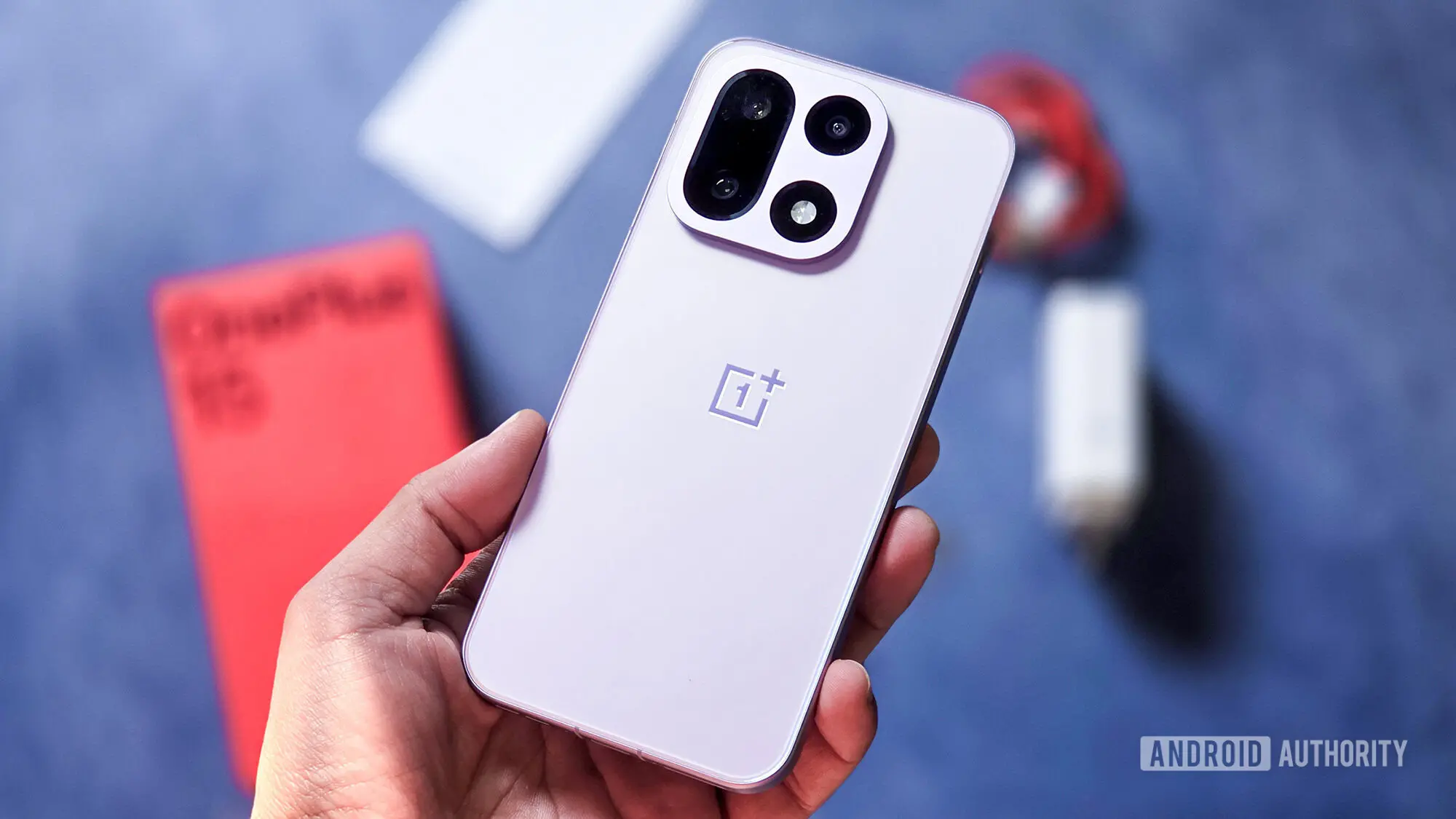
OnePlus recently made headlines by announcing its exit from North America and Europe, a move that followed months of speculation about the brand's future. The company is now narrowing its focus to the Chinese market, where it remains a strong player. Despite this strategic shift, OnePlus is still working on its next flagship—the OnePlus 16. Recent leaks have now revealed more details about this highly anticipated device, including its design, launch timeline, and key specifications.
Design Details: Familiar Yet Refined
Tipster Digital Chat Station has shared new insights into the OnePlus 16's design, suggesting that it will closely resemble its predecessor, the OnePlus 15. According to the leaker, the phone will feature a 6.78-inch display with ultra-narrow bezels, continuing the trend of maximizing screen real estate. The camera module will retain the small, square bump introduced with the OnePlus 15, a departure from the circular camera islands seen on earlier models like the OnePlus 12 and 13. This design choice has been well-received, and it appears OnePlus is sticking with a proven formula rather than reinventing the wheel.
The decision to maintain a similar aesthetic is practical. The OnePlus 15's design was already praised for its sleekness and modern appeal, with clean lines and a refined finish that appealed to both enthusiasts and casual users. By keeping the same fundamental layout, OnePlus can focus on internal upgrades and cost efficiency. However, the company might introduce new color options or materials to differentiate the OnePlus 16 from its immediate predecessor. The leak suggests the overall look will be familiar, but minor tweaks could enhance ergonomics and durability.
Launch Timeline and Market Availability
Digital Chat Station also indicated that the OnePlus 16 is now expected to launch in October, aligning with the OnePlus 15's release schedule. This timeline has shifted slightly from earlier speculation that pointed to a September unveiling. An October launch gives OnePlus more time to finalize production and software optimization, especially as it navigates the complexities of a reduced global footprint.
Unfortunately, the phone's availability will be severely limited. OnePlus has confirmed it will not sell in North America or Europe following the brand's exit. Adding to the disappointment, tipster Yogesh Brar has claimed that the OnePlus 16 and the iQOO 16 are both "DOA" (dead on arrival) in India. This strongly suggests that India, a previously key market for OnePlus, will also miss out on the flagship. The company appears to be focusing entirely on China, where it still has a strong distribution network and brand loyalty. For fans in other regions, the only way to obtain the OnePlus 16 might be through import channels, though this comes with warranty and network compatibility risks.
Specs and Performance: A Beast Under the Hood
Beyond design, previous leaks have painted a picture of a truly powerful device. The OnePlus 16 is rumored to be powered by the Snapdragon 8 Elite Gen 6 Pro chipset, Qualcomm's next-generation flagship processor. This chip is expected to deliver significant gains in CPU and GPU performance, as well as improved AI capabilities and power efficiency. Paired with up to 16GB or even 24GB of LPDDR6 RAM, the phone should handle intensive multitasking and gaming with ease.
One of the most exciting upgrades could be in the camera department. Rumors point to a 200-megapixel telephoto sensor, likely from Samsung or Sony, which would support high-quality optical zoom and digital enhancements. This would represent a major leap over the 50MP or 64MP sensors found in recent OnePlus flagships. The main camera is expected to remain a high-resolution sensor, possibly 50MP, with improved stabilization and low-light performance. The square camera bump suggests a triple or quad setup, offering versatility for different shooting scenarios.
Battery life is another area where the OnePlus 16 could excel. Reports mention a staggering 9,000mAh battery, which would be the largest ever in a OnePlus phone. This capacity would easily last two days of heavy use, and combined with 100W+ wired charging (likely 150W), the phone could go from zero to full in under 30 minutes. Wireless charging might also be upgraded, possibly reaching 50W or even 80W. Such a massive battery would be a game-changer for power users, especially those who rely on their phones for gaming, streaming, or productivity.
Context: OnePlus's Market Exit and Strategic Shift
OnePlus's retreat from Western markets is part of a larger trend among Chinese smartphone brands that have struggled to sustain themselves outside their home turf. The company, once hailed as a disruptor with its flagship killer ethos, faced increasing competition from established players like Samsung, Apple, and even fellow Chinese brands like Xiaomi and Oppo. The earlier merger with Oppo blurred OnePlus's identity, and the brand's premium pricing eroded its value proposition in price-sensitive regions.
Europe and North America were once strongholds for OnePlus, where its early phones won acclaim for their high-end specs at lower prices. However, market saturation, trade tensions, and logistical challenges gradually diminished its presence. The exit from these regions allows OnePlus to consolidate resources in China, where it can leverage Oppo's supply chain and retail network. This move also aligns with broader industry shifts, as Chinese brands like Huawei and Honor have similarly scaled back global ambitions in recent years.
What This Means for OnePlus Fans
For loyal OnePlus fans outside China, the OnePlus 16's limited availability is a bitter pill to swallow. The device promises top-tier specifications—a 200MP camera, 9,000mAh battery, and a cutting-edge chipset—but geography will determine who can actually buy it. Importing the phone may be possible, but with uncertain support for local 5G bands, warranty restrictions, and lack of official service centers, it's not an ideal solution.
The OnePlus 16's design leak suggests the company is focusing on refining rather than revolutionizing. By keeping the same aesthetic, OnePlus can allocate more resources to internal upgrades and quality control. The square camera bump, while familiar, has already proven its worth in terms of lens arrangement and stability. The ultra-narrow bezels should offer an immersive viewing experience, likely with a 120Hz or 144Hz refresh rate display.
OnePlus's OxygenOS, which has historically been a highlight, will likely run on top of Android 16 or 17 at launch. The software experience is expected to be clean and smooth, with extended update promises—maybe four years of major OS updates and five years of security patches. This would be competitive even by flagship standards.
Looking Ahead
The OnePlus 16 is shaping up to be a compelling flagship, but its reach will be limited. The October launch window is consistent with the brand's recent cadence, and the leaked specs point to a phone that could rival any Android flagship on paper. However, without a global presence, its impact on the broader smartphone market will be muted. For now, enthusiasts in China can look forward to a device that pushes boundaries in battery, camera, and performance, while others may have to admire from afar.
Source: Android Authority News