

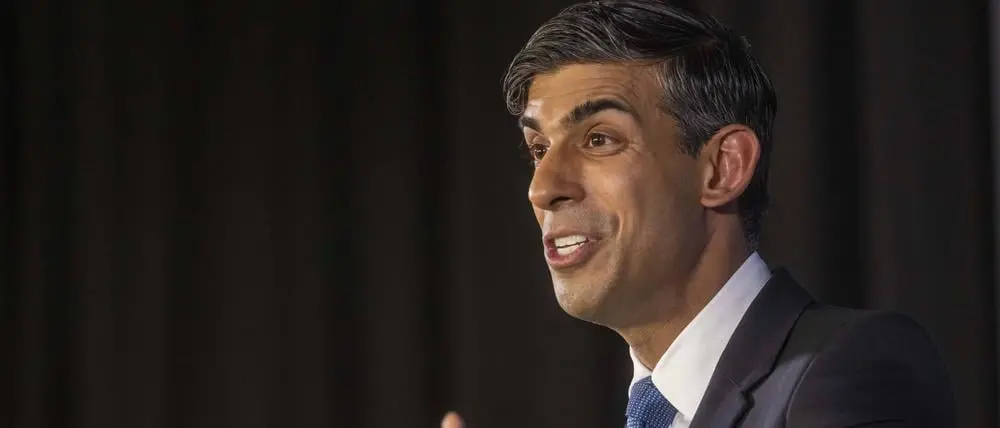
When Rishi Sunak entered 10 Downing Street in October 2022, he was hailed as a stabilizing force after the chaotic 49-day premiership of Liz Truss. As the first British Asian and Hindu Prime Minister, Sunak symbolised a modern, inclusive Conservative Party. Yet less than two years later, he led his party to its worst electoral defeat in history, paving the way for Keir Starmer's Labour government. This article explores the key events that defined Sunak's rise and fall, drawing from extensive coverage of his premiership.
From Chancellor to PM: The Unlikely Rise
Sunak's ascent was remarkably swift. As Chancellor under Boris Johnson, he became famous for the furlough scheme that protected millions of jobs during the pandemic. But his resignation in July 2022 triggered the collapse of Johnson's government. After Truss's disastrous mini-budget, the party turned to Sunak as the safe pair of hands. He inherited an economy battered by inflation, a divided party, and a country weary of Tory turmoil.
Initially, Sunak's approval ratings were moderate. He promised professionalism, transparency, and economic stability. However, a series of scandals soon eroded public trust. The most damaging was the betting scandal: multiple Conservative officials and candidates were investigated for placing bets on the July 2024 election date before it was publicly announced. Sunak's own chief of staff and a candidate were implicated. The scandal dominated headlines in the weeks before the election, with the opposition accusing Sunak of presiding over a corrupt culture.
Policy Missteps and the Rwanda Plan
Sunak's signature immigration policy was the Rwanda asylum plan, intended to deter illegal crossings by deporting migrants to Rwanda. Despite legal challenges and protests, Sunak pushed the Safety of Rwanda Bill through Parliament. However, the plan was never fully implemented. In July 2024, after Labour's victory, Starmer announced the policy was 'dead and buried', ending the controversial scheme. Critics had argued it was both inhumane and ineffective, while supporters saw it as a necessary deterrent.
Another low point came during the D-Day commemorations in June 2024, when Sunak left the Normandy ceremonies early to return to London for an election interview. The decision was widely condemned as disrespectful to veterans and an act of poor judgment. Sunak later apologised, calling it a 'mistake', but the damage to his reputation was done. The incident reinforced the perception that he was out of touch and prioritising politics over national duty.
The Election Campaign and TV Debates
Sunak's campaign was plagued by internal divisions and a resurgent Labour Party. The first televised debate between Sunak and Starmer was a fierce exchange over tax and trust. Sunak attacked Labour's spending plans, while Starmer focused on the Tories' record of chaos. Both candidates also faced a challenge from the right: Nigel Farage, Brexit campaigner, entered the race leading the Reform UK party. Farage's anti-immigration, populist message threatened to split the Conservative vote, and Sunak struggled to counter his appeal.
As polls predicted a Labour landslide, Sunak tried to rally his base with promises of tax cuts and welfare reform. But the 'change' narrative was unstoppable. On July 4, 2024, Labour won a historic majority of over 200 seats, the largest since 1997 for Tony Blair. The Tories were reduced to just 121 seats, their worst outcome since 1832. Sunak conceded defeat gracefully, thanking his supporters and apologising for the loss.
Aftermath: The Tory Leadership Contest
Sunak resigned as party leader immediately after the election. The subsequent leadership contest saw the party shift further right. In November 2024, Kemi Badenoch won the race, defeating Robert Jenrick. Badenoch, a former business secretary known for her uncompromising stance on culture war issues, pledged to return the Tories to power by reconnecting with traditional conservative values. Her victory signalled a rejection of Sunak's centrist approach and a move towards a more ideological, right-wing platform.
Meanwhile, Starmer's government faced its own early challenges. Within 100 days, Starmer encountered scandals over undeclared gifts and the resignation of his chief of staff. The new government also inherited a struggling economy and public services, with Starmer warning that 'Britain is broke and broken' due to Tory mismanagement. The Brexit legacy continued to affect trade, and Starmer's cautious stance on EU rapprochement disappointed some remainers.
Legacy and Lessons
Rishi Sunak's premiership will be remembered for its promise unfulfilled. He restored some economic credibility after Truss, but his government was consumed by internal scandals and an inability to deliver on core pledges. The betting scandal, the Rwanda debacle, and the D-Day gaffe collectively symbolised a party that had run out of ideas and lost touch with the electorate. Sunak's personal story—the immigrant son who became PM—was overshadowed by the chaos he could not control. For the Tories, his fall marks a period of reinvention, with Badenoch now tasked with rebuilding the party from its lowest point in decades.
Source: Tagesspiegel News