

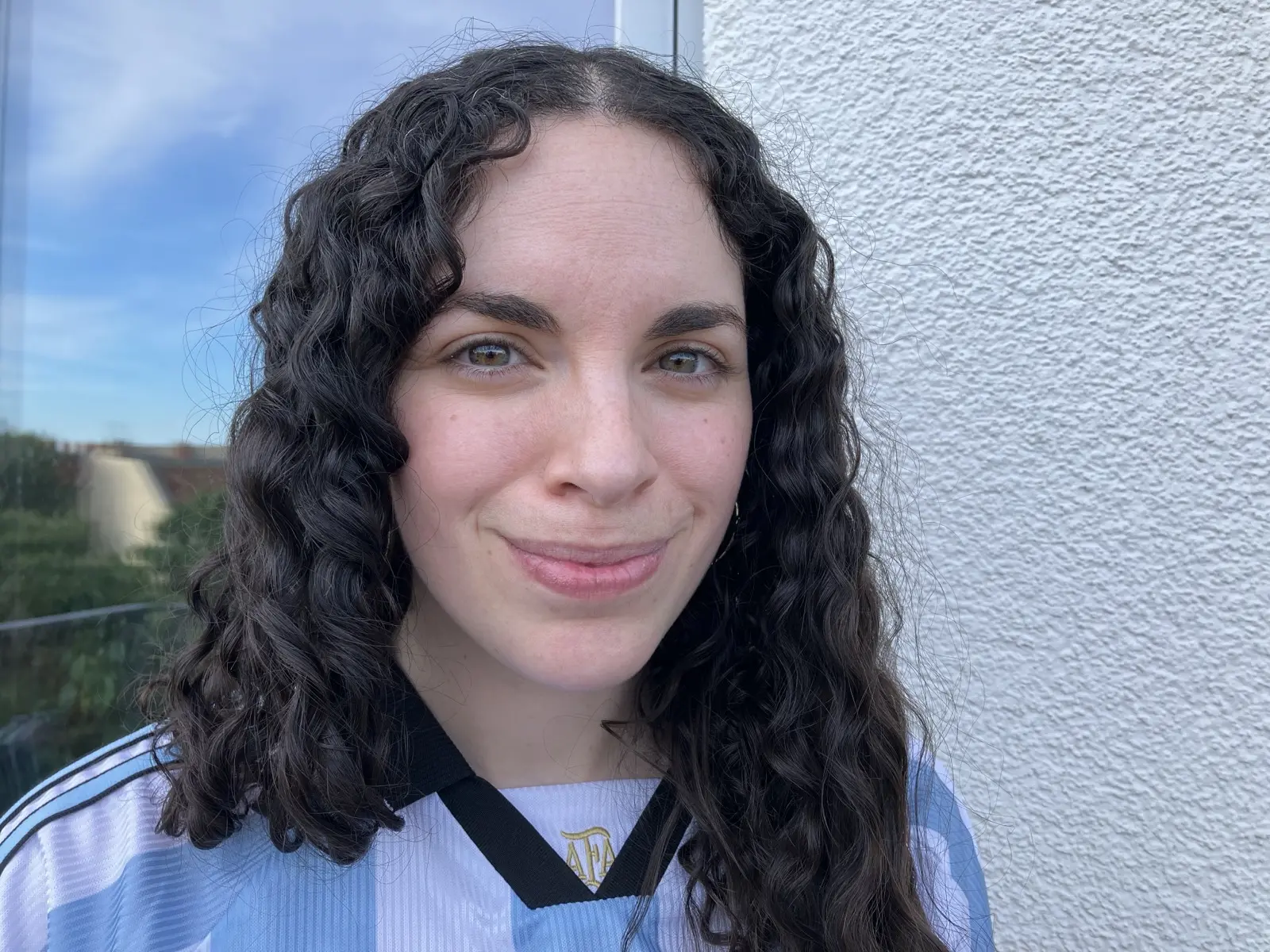
Argentine journalist Paula Sabatés, a writer for the newspaper Página 12 and a radio and television contributor, recently spoke about the dire state of press freedom in Argentina under President Javier Milei. Sabatés, who is also active in the Buenos Aires Press Union (SiPreBA), traveled to Germany in June 2026 to share her experiences and warn about the erosion of democratic norms.
Key Facts
- Milei won the election democratically but disregards parliamentary laws, attacks journalists, and represses protesters.
- He publicly insults and mocks journalists by name on social media, encouraging hate.
- Baseless criminal lawsuits are filed against journalists, causing emotional and financial strain.
- Journalist Roberto Navarro was physically assaulted in 2025; digital violence includes AI-manipulated deepfakes.
- State news agency Telam was closed, and public broadcasters were hollowed out by budget cuts and layoffs.
- The government shut down the press conference room in the presidential palace and abolished the 80-year-old press statute.
- Police deliberately target journalists with tear gas and beatings; journalists now use helmets and gas masks.
- Journalists face low salaries, often working multiple jobs, and rely on volunteer union work for protection.
The Assault on Journalists
Sabatés explained that Milei’s attacks are systematic. He repeatedly tells his supporters that “we don’t hate journalists enough,” using his social media platforms to name individual reporters and subject them to violent, sarcastic ridicule. This incites online mobs and creates a climate of fear. Beyond verbal abuse, the government files criminal complaints for alleged libel or falsehoods. Although most cases are dismissed, the journalists must endure costly legal proceedings and emotional trauma.
Physical violence is also on the rise. In 2025, prominent opposition journalist Roberto Navarro was beaten on the street and required hospital treatment. Navarro believes he was targeted because he was recognized as a critic of the government. Female journalists face an additional layer of digital violence: an AI-generated deepfake video showed radio station owner Julia Mengolini apparently kissing her own brother, a grotesque attempt to humiliate her.
Dismantling of Independent Media
The Argentine government has systematically weakened independent journalism. The national news agency Telam, which once provided high-quality reporting from all regions, has been reduced to a propaganda tool; its journalistic function was effectively shut down. Public television and radio have been cut back so severely that they now focus almost exclusively on Buenos Aires, losing their role as a source of diverse, critical coverage. For the first time since the return to democracy in 1983, the press conference room in the government building was closed.
In February 2026, the government abolished the 80-year-old press statute that regulated journalistic work and protected labor rights. Although the Senate delayed the abolition until January 2027, press unions have warned that this leaves journalists vulnerable. They are pushing for a new law to be enacted during 2026 to prevent a complete erosion of protections.
Police Repression and Safety Measures
Police violence against journalists has become routine. At protests, officers intentionally target those wearing “Press” vests. Photographer Pablo Grillo was shot in the head by police in 2025, suffering life-threatening injuries and permanent damage. In response, the Buenos Aires Press Union has distributed motorcycle helmets and gas masks to journalists—equipment never needed before. The union also developed collective safety protocols: journalists travel in groups, check in with each other when leaving and arriving home, and share information about risks.
“It has become dangerous just to do our job on the streets,” Sabatés said. “We never had to use such gear before Milei took office.”
Broader Democratic Implications
Sabatés argued that Milei’s assault on the press is part of a broader attack on democratic institutions. He harasses not only critical media but also large, sometimes sympathetic outlets, because he believes social media is sufficient for communication. He wants no opposition and no channels for democratic participation. The constant attacks, combined with the dismantling of public media and the criminalization of journalists, raise serious questions about whether Argentina remains a true democracy.
The journalist also noted that low salaries force many colleagues to take three, four, or five jobs, severely affecting the quality of their work. The union, though active, relies entirely on volunteers who dedicate their free time to negotiate better wages and defend labor rights. Sabatés herself serves as the union’s education officer, organizing courses and workshops to help journalists adapt to technological changes and strengthen their professional skills.
During her visit to Germany, Sabatés spoke at events with author Frederic Schnatterer, who wrote about Argentina. She described parallels between the two countries: when governments fail to meet citizens’ demands and poverty rises, many voters turn to far-right options. Germans, she said, are fearful that a similar experiment could happen there and want to learn from Argentina’s mistakes.
Sabatés emphasized that the rise of the far right is not inevitable. “We should not give up hope. In Argentina, it happened; in Germany, there is still time to prevent it. Our message is one of resistance and fighting spirit.”
The interview covered many other issues, including the role of the union in defending journalists targeted by repression, the emotional toll of self-censorship, and the need for international solidarity. Sabatés called on media workers everywhere to support their Argentine colleagues and to remain vigilant against any government that tries to silence the press.