

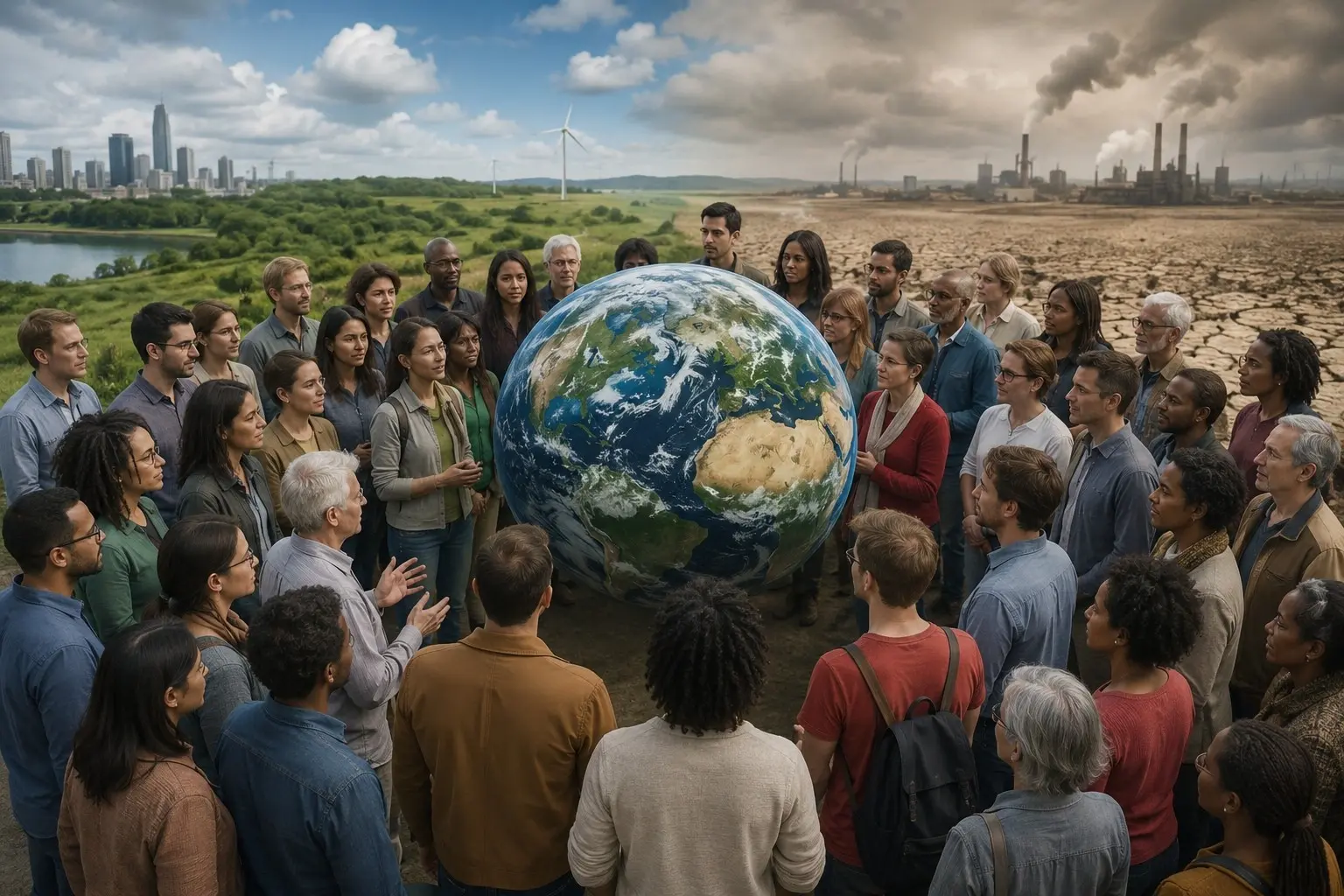
Global audience research related to climate change shows a major shift in how people think, react, and make decisions about environmental issues. Public awareness is growing fast, but emotional responses vary widely depending on region, age, media exposure, and economic pressure.
Here’s the thing. Most climate discussions focus heavily on science and policy. Regular people, though, often respond more emotionally than politically. That changes how businesses, educators, media platforms, and governments communicate climate-related information.
In my experience, the biggest challenge isn’t convincing audiences that climate change exists. It’s helping people feel that their actions still matter.
Global audience research related to climate change reveals that people increasingly care about environmental issues, but reactions differ based on financial concerns, local experiences, trust in media, and cultural priorities. Audiences respond best to practical, relatable climate messaging instead of fear-driven communication.
What Is Global Audience Research Related to Climate Change?
Global Climate Audience Research: The study of how people across different countries, cultures, and demographics understand, discuss, and emotionally react to climate change topics.
This research examines:
Public awareness levels
Media influence on climate opinions
Consumer behavior changes
Emotional reactions to climate news
Sustainability expectations
Trust in institutions and environmental messaging
What most people overlook is that climate concern doesn’t always lead to climate action.
Someone may strongly believe environmental problems are serious but still prioritize affordability, convenience, or local economic survival when making daily choices.
That gap matters a lot.
Why Global Climate Change Research Matters in 2026
Climate conversations in 2026 are becoming more personal than abstract.
People now experience climate change directly through:
Heat waves
Flooding
Rising living costs
Food supply concerns
Air quality problems
Energy instability
Because of this, audiences increasingly expect businesses and organizations to respond visibly rather than simply talk about sustainability in marketing campaigns.
Honestly, audiences have become pretty skeptical.
Consumers can usually tell when climate messaging feels performative instead of genuine.
Expert Tip
When researching audience reactions to climate change, focus on behavioral consistency rather than survey answers alone. People often express concern publicly while maintaining older consumption habits privately.
What Current Research Says About Global Climate Audiences
Audience behavior differs significantly across regions.
Some populations prioritize environmental protection strongly, while others focus more on economic stability first. Neither reaction is irrational. Financial pressure shapes environmental priorities more than many reports admit.
Younger Audiences Expect Action
Younger generations generally expect stronger sustainability commitments from brands, employers, and governments.
But here's the surprising part.
Many younger consumers still purchase fast shipping, trend-driven products, and convenience-focused services despite environmental concerns. That contradiction appears constantly in climate audience research.
It’s human behavior, honestly.
People balance ideals with real-world convenience every day.
Climate Fatigue Is Becoming Real
Continuous negative climate headlines can create emotional exhaustion.
Some audiences begin disengaging completely when messaging feels too overwhelming or hopeless. Fear alone rarely sustains long-term public engagement.
In my opinion, this is where many climate campaigns fail.
They push panic instead of progress.
Local Experience Shapes Climate Concern
Someone living in an area frequently affected by extreme weather may respond differently than someone whose climate exposure feels indirect.
Personal experience strongly influences public perception.
A family dealing with severe flooding or rising utility costs often becomes more emotionally invested in environmental discussions than audiences exposed only through online news coverage.
How Media and Technology Influence Climate Opinions
Media platforms heavily shape how people interpret climate change.
That influence cuts both ways.
Short-Form Content Simplifies Complex Issues
Social platforms make climate information more accessible, but they also compress complicated topics into emotionally charged sound bites.
This creates fast awareness but sometimes weak understanding.
People might know climate anxiety exists without fully understanding underlying environmental systems.
Visual Storytelling Drives Engagement
Research consistently shows that visual storytelling creates stronger emotional reactions than statistics alone.
Images of wildfires, droughts, polluted oceans, or damaged communities often generate more public attention than lengthy scientific reports.
That emotional response matters because attention drives conversation.
Expert Tip
Climate communication works better when audiences feel personally connected to solutions. Abstract global warnings usually create less engagement than practical local examples.
Why Businesses Care About Climate Audience Research
Businesses increasingly monitor environmental audience behavior because consumer expectations are changing.
Customers now evaluate companies based on:
Sustainability practices
Supply chain transparency
Packaging choices
Carbon reduction efforts
Public accountability
At least from what I’ve seen, silence can sometimes damage brand trust more than imperfect action.
Consumers often prefer businesses making visible improvements over companies pretending environmental issues don’t exist.
Investor Expectations Are Changing
Climate-related audience research also influences investors.
Financial stakeholders increasingly examine public sentiment toward sustainability because reputation risk affects long-term profitability.
Environmental perception has become part of business strategy now.
That shift probably won’t reverse anytime soon.
How to Conduct Global Audience Research Related to Climate Change
If you're studying climate audiences professionally, a structured process helps produce more accurate insights.
1. Segment Audiences by Region and Economics
Climate priorities vary based on geography and financial conditions.
Research should separate audiences according to:
Income levels
Urban versus rural environments
Local climate risks
Energy access
Economic stability
Broad assumptions create misleading conclusions.
2. Analyze Emotional Reactions
Pay attention to emotional patterns like:
Anxiety
Frustration
Hope
Skepticism
Fatigue
Emotional response strongly shapes long-term engagement behavior.
3. Study Consumer Purchasing Behavior
Research whether climate concerns influence actual buying decisions.
Some consumers prioritize eco-friendly products strongly. Others support sustainability only when pricing remains competitive.
That distinction matters.
4. Monitor Social Conversations
Social discussions reveal real-time audience sentiment.
Track:
Climate hashtags
Online debates
Viral environmental stories
Public reactions to corporate campaigns
You’ll often discover emotional trends before traditional reports identify them.
5. Compare Stated Beliefs With Real Actions
This step is essential.
People frequently express environmental concern while maintaining consumption habits that contradict sustainability goals.
Research becomes more accurate when both attitudes and behaviors are examined together.
Common Misconception About Climate Audiences
Many assume climate skepticism always comes from denial.
Not necessarily.
Some audiences feel overwhelmed financially or emotionally and struggle to prioritize long-term environmental concerns over immediate personal challenges.
That’s a very different situation from outright rejection of climate science.
Honestly, climate communication improves when people stop treating every disagreement as ignorance.
How Climate Change Is Influencing Consumer Trends
Climate awareness increasingly affects purchasing behavior worldwide.
Consumers now pay closer attention to:
Sustainable packaging
Energy efficiency
Ethical sourcing
Product durability
Waste reduction
Still, affordability continues influencing decisions heavily.
A realistic example explains this perfectly.
A shopper may prefer sustainable products but choose lower-cost alternatives during economic pressure. Environmental values often compete with household budgets.
That tension shows up repeatedly in audience research.
Unexpected Trend: Practical Sustainability Outperforms Idealism
Here’s a counterintuitive point most reports miss.
Audiences often respond better to practical sustainability improvements than ambitious environmental promises.
People trust small visible actions more than dramatic marketing campaigns.
For example:
Reducing unnecessary packaging
Improving energy efficiency
Offering product repair options
Increasing transparency
These practical steps frequently build more public trust than oversized climate slogans.
Expert Tips: What Actually Works in Climate Communication
After reviewing audience behavior trends, a few patterns consistently stand out.
Simplicity Wins
Complicated scientific language often disconnects mainstream audiences.
Clear explanations work better.
Hope Performs Better Than Doom
Audiences engage longer when communication includes realistic solutions rather than endless catastrophe framing.
Local Relevance Increases Attention
People care more when climate issues affect nearby communities directly.
Transparency Builds Trust
Consumers increasingly respect honest progress updates, even when businesses admit they’re still improving.
Perfection isn’t always expected. Authenticity usually is.
Real-World Example of Audience Behavior
A hypothetical retail company launched two sustainability campaigns.
One focused heavily on alarming environmental statistics. Engagement started strong but dropped quickly.
Another campaign showed practical changes like recyclable packaging, reduced delivery emissions, and local environmental partnerships. Customer trust increased steadily over time.
Why?
Because audiences could see direct action instead of abstract promises.
That difference matters more than many brands realize.
Expert Tip
Avoid treating climate audiences as one unified group. Emotional priorities differ massively across cultures, age groups, and economic situations.
People Most Asked About Global Audience Research Related to Climate Change
Why are audiences more interested in climate change now?
Extreme weather events, rising costs, and constant media coverage have made climate issues feel more immediate and personal for many people worldwide.
Do younger audiences care more about climate issues?
In most cases, yes. Younger generations often expect stronger environmental accountability from brands, governments, and employers.
Why do some climate campaigns fail?
Campaigns sometimes fail because they rely too heavily on fear, technical language, or unrealistic messaging that audiences struggle to connect with emotionally.
Does climate concern affect buying decisions?
Yes, although affordability still strongly influences purchasing behavior. Many consumers prefer sustainable products when prices remain accessible.
How does social media influence climate opinions?
Social platforms spread climate awareness quickly but can also oversimplify complicated environmental issues through emotional or polarized content.
Are businesses changing because of climate audience pressure?
Many companies are adjusting sustainability practices because consumers, investors, and employees increasingly expect visible environmental responsibility.
What emotional reactions are common in climate audiences?
Climate anxiety, frustration, skepticism, hope, and emotional fatigue are all common reactions found in global audience research.
Final Thoughts
Global audience research related to climate change reveals a complicated but important reality. People care deeply about environmental issues, yet their reactions are shaped by economics, emotional stress, media exposure, and personal experience.
From what I’ve seen, successful climate communication isn’t about sounding dramatic or morally superior. It’s about making environmental action feel practical, realistic, and emotionally manageable for everyday people.
Audiences don’t just want warnings anymore. They want solutions they can actually live with.
Businesses, agencies, startups, and SEO professionals aiming to increase brand visibility, SEO ranking, and organic traffic can strengthen online reach through trusted press release distribution services combined with targeted local SEO services. These platforms support media coverage, instant publishing, high authority backlinks, and stronger digital growth for brands looking to expand audience engagement effectively.