

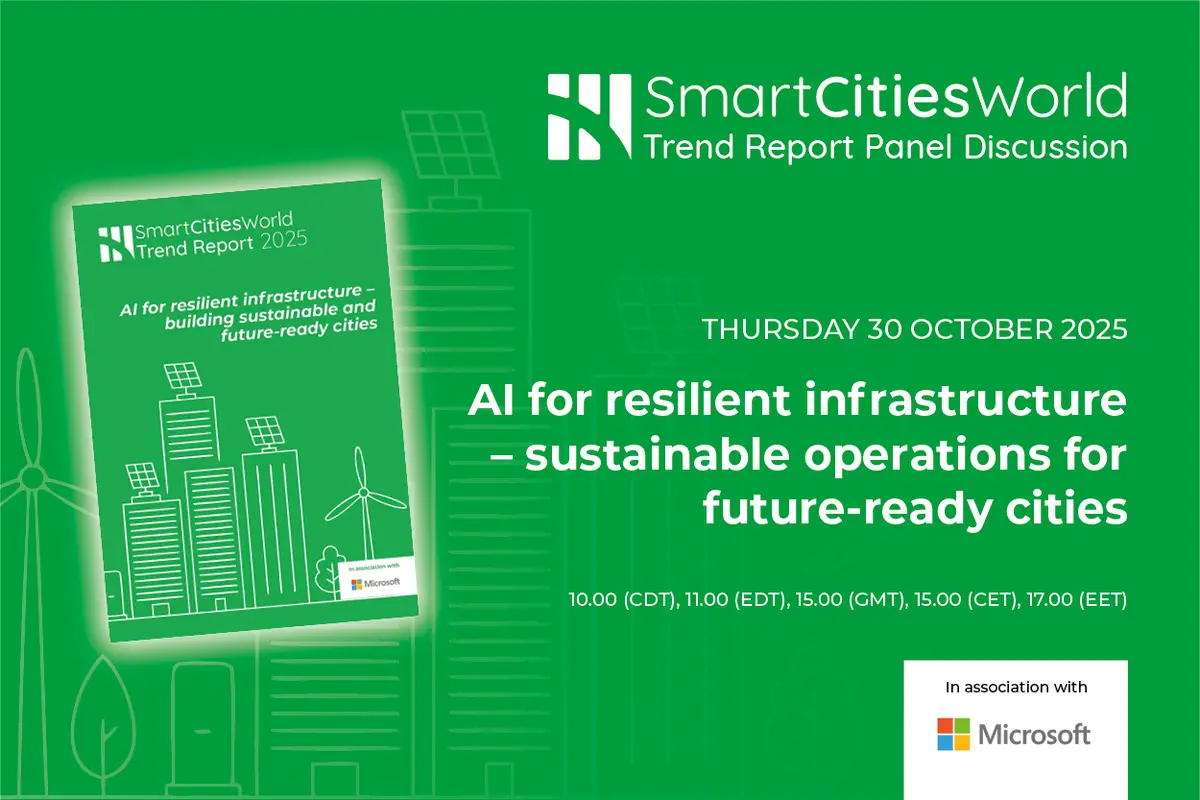
The convergence of artificial intelligence, building data, and connected urban infrastructure is reshaping the landscape of modern cities. As urban populations grow, the need for sustainable, resilient, and efficient operations becomes paramount. AI-powered digital twins—virtual replicas of physical systems—are emerging as a cornerstone of this transformation, enabling cities to simulate, monitor, and optimize everything from energy grids to transportation networks. This trend report explores how these innovations are being implemented across global cities, offering a blueprint for future-ready urban development.
The Rise of AI and Digital Twins in Urban Infrastructure
Digital twins have evolved from industrial tools into essential platforms for urban management. By integrating real-time sensor data, AI algorithms, and historical records, cities can create dynamic models that predict traffic congestion, energy demand, or structural vulnerabilities. For instance, predictive maintenance of bridges and tunnels reduces downtime and extends asset life. The application extends to water systems, where AI detects leaks and optimizes distribution, cutting waste and costs. These capabilities are critical as cities face climate-related stresses like flooding and heatwaves.
One of the most compelling examples comes from Kansas City, where the return of rail transit has catalyzed downtown revitalization. Tom Gerend, executive director of the Kansas City Streetcar Authority, explains how the streetcar line has reconnected the urban core, unlocked riverfront development, and reshaped the city’s growth narrative. The project demonstrates how strategic infrastructure investments, enhanced by smart technology, can create economic ripple effects—boosting property values, attracting businesses, and improving walkability. By integrating AI for real-time scheduling and passenger flow analysis, the streetcar system reduces wait times and energy consumption, setting a precedent for mid-sized cities worldwide.
Sunderland: A Smart City Reinvention
In the United Kingdom, Sunderland is undergoing a strategic repositioning as a leading smart city. The city is leveraging digital infrastructure, low-carbon innovation, and AI-driven analytics to build a resilient, future-focused economy. According to the latest SmartCitiesWorld City Profile, Sunderland’s approach includes deploying IoT sensors across public spaces to monitor air quality, waste levels, and energy usage. This data feeds into a centralized platform that enables city planners to make evidence-based decisions. For example, smart streetlights adjust brightness based on pedestrian activity, reducing energy consumption by up to 40%. Sunderland’s partnership with universities and technology hubs has also fostered a startup ecosystem developing AI solutions for urban challenges, from traffic management to social inclusion.
The city’s commitment to low-carbon innovation extends to its transportation network. Electric vehicle charging infrastructure is being installed strategically using AI algorithms that predict demand based on traffic patterns and population density. Additionally, Sunderland is piloting autonomous shuttles in business districts, connected via V2X communication to optimize routes and reduce congestion. These initiatives not only lower carbon emissions but also create green jobs, aligning with the UK’s net-zero goals. The case of Sunderland illustrates how smaller cities can punch above their weight by focusing on data-driven, collaborative strategies.
Dublin: Innovating for Community Well-being
Dublin, the capital of Ireland, is innovating to improve experiences and services for its communities. The city has launched several digital twin projects that simulate urban environments to test policies before implementation. One notable project involves creating a 3D model of the city center, fed with real-time data from heatmaps, traffic cameras, and social media. This twin allows planners to visualize the impact of pedestrianizing streets or introducing congestion charging. The result has been a reduction in traffic delays by 15% and a significant drop in air pollution in pilot zones.
Dublin is also using AI to address economic growth and social equity. The city’s open data portal, combined with machine learning models, identifies underserved areas for new businesses and public services. For instance, an AI tool analyzes demographic and mobility data to recommend locations for new parks or affordable housing. Additionally, Dublin has implemented a smart waste management system that uses sensors to optimize collection routes, saving thousands of euros annually and reducing emissions. These efforts demonstrate how AI can be harnessed not just for efficiency but for inclusive growth, ensuring that the benefits of digitalization reach all residents.
Smart Lighting and Cybersecurity: A Dual Challenge
One of the most visible aspects of smart city infrastructure is lighting. The series “Cities Thriving on Lighting” explores how global cities are approaching smart lighting and the related cybersecurity risks. In the final episode, experts discuss the transformation of traditional streetlights into connected nodes that can monitor air quality, noise levels, and traffic flows. However, this connectivity introduces vulnerabilities. Cybersecurity is a growing concern, as a breach could disrupt traffic signals, emergency services, or even public safety networks. Cities are adopting robust encryption standards, network segmentation, and regular penetration testing to mitigate these risks.
The second episode of the series delves into the technology behind turning existing streetlight networks into secure, interoperable, and future-proof infrastructure. Key considerations include choosing protocols like Zigbee or NB-IoT that are both scalable and low-power, and ensuring that firmware updates can be deployed seamlessly. The integration of AI for predictive maintenance means that lights can self-diagnose issues, reducing manual inspections. These advancements not only enhance safety and energy efficiency but also provide a platform for additional smart city applications, such as public Wi-Fi or environmental sensing.
Global Policy and Collaboration: ICLEI and Ecomondo
At the policy level, organizations like ICLEI – Local Governments for Sustainability play a pivotal role. Matthew Bach, regional director for ICLEI, emphasizes that cities are not merely implementing global agendas—they are essential partners in shaping them. This perspective is echoed at events like Ecomondo, where discussions center on priorities for healthier, more sustainable cities. The SmartCitiesWorld Summit offers a platform for sharing practical solutions and building new connections among city leaders, technology providers, and researchers.
ICLEI’s work includes developing frameworks for climate adaptation, sustainable procurement, and circular economy practices. By providing tools and networks, they enable cities to leapfrog to smarter, more resilient systems. For example, the organization’s “100% Renewable Energy” toolkit has helped cities like Vancouver and Copenhagen accelerate their transition. The interconnectedness of global challenges means that a solution in one city can be adapted for another, highlighting the value of knowledge exchange platforms like the Summit.
Webinars and Resources for Deeper Insight
For professionals seeking hands-on guidance, on-demand webinars cover crucial topics. One webinar focuses on getting data strategy right for smarter sites and safer operations, addressing how to avoid common pitfalls in data collection and analysis. Another explores how sensors, AI, and digital twins can shape the future of urban transport, from autonomous vehicles to seamless multimodal journeys. These resources complement the SmartCitiesWorld newsletters, which deliver daily or weekly updates on the latest city interviews, special reports, and guest opinions. Staying informed is key for decision-makers who must navigate the rapidly evolving landscape of smart city technologies.
As cities continue to invest in AI for resilient infrastructure, the evidence mounts that these technologies deliver measurable benefits: reduced emissions, lower costs, improved quality of life. However, success requires a holistic approach—combining technical implementation with robust governance, community engagement, and international collaboration. The examples from Kansas City, Sunderland, Dublin, and others serve as beacons, proving that the path to future-ready cities is not only possible but already underway.
Source: Smart Cities World News