

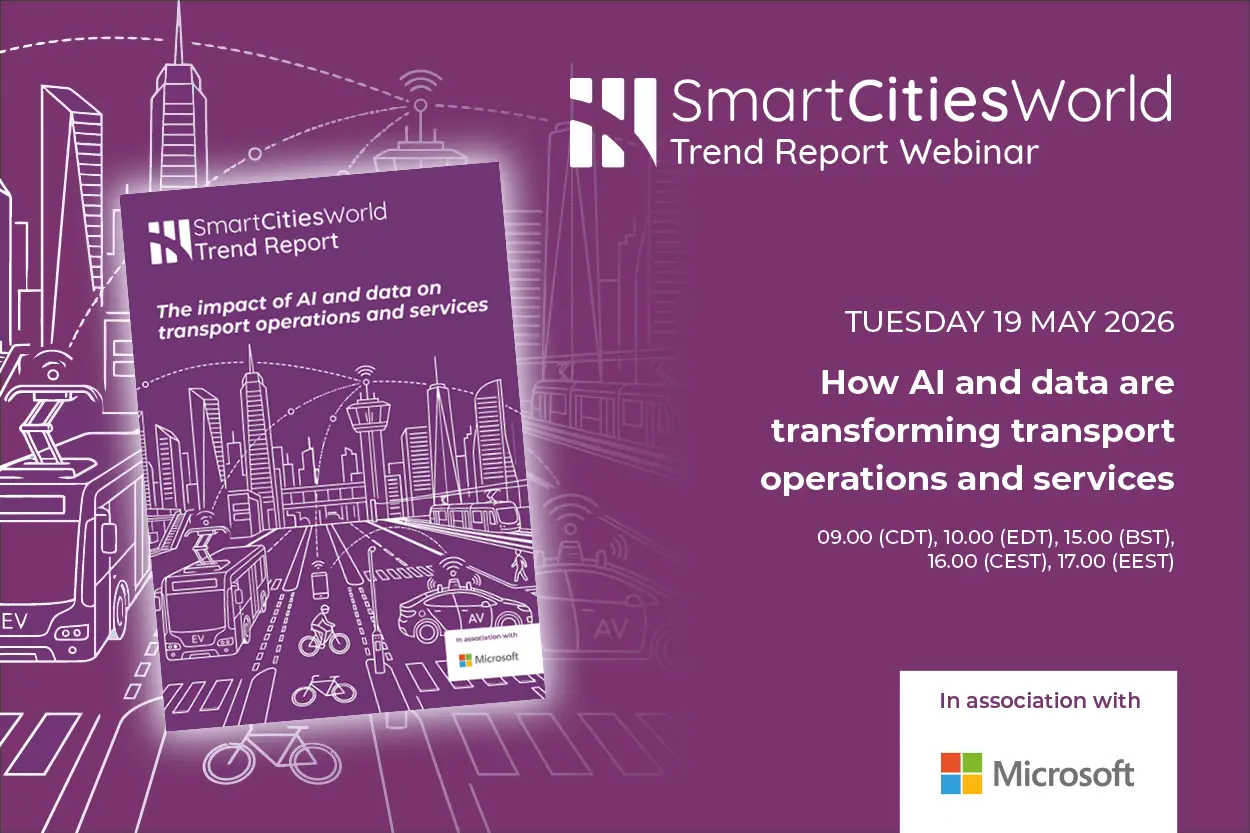
The Rise of AI and Data in Urban Transport
Urban transportation systems are undergoing a profound transformation, driven by the integration of artificial intelligence (AI) and vast amounts of operational data. Cities worldwide are leveraging these technologies not just to improve efficiency, but to build more sustainable, resilient, and user-friendly networks. The convergence of AI with building data, connected infrastructure, and digital twins is enabling a new generation of smart mobility solutions that promise to reshape how people and goods move through metropolitan areas.
At the core of this evolution is the ability to collect, analyze, and act upon real-time data from a multitude of sources. Sensors embedded in traffic lights, vehicles, parking meters, and even streetlights provide a constant stream of information about traffic flow, demand patterns, and environmental conditions. AI algorithms then process this data to optimize routing, predict maintenance needs, and enhance safety. For example, predictive analytics can forecast congestion before it occurs, allowing traffic management systems to adjust signals dynamically, reducing delays and emissions.
Digital Twins: The Virtual Mirror of Urban Infrastructure
A particularly powerful application of AI in urban management is the concept of digital twins—virtual replicas of physical assets, processes, and systems. These digital models use real-time data to simulate, predict, and optimize the performance of real-world infrastructure. In the context of transport, digital twins can model everything from a single intersection to an entire city's transit network. By running simulations, city planners can test the impact of new policies, such as introducing a bus lane or adjusting parking fees, before implementing them in the physical world.
The benefits extend beyond operational efficiency. Digital twins help cities improve resilience by enabling proactive response to disruptions, whether from accidents, natural disasters, or cyberattacks. They also support sustainability goals by optimizing energy use across traffic lights, street lighting, and electric vehicle charging stations. As noted in recent industry discussions, the integration of AI with digital twins is turning these models from static representations into dynamic, decision-making tools. For instance, they can automatically adjust building heating and cooling systems based on traffic patterns, or reroute emergency vehicles with minimal delay.
Case Study: Kansas City Streetcar Authority and Urban Revival
A compelling example of how modern transport can transform a city is provided by the Kansas City Streetcar Authority. Under the leadership of executive director Tom Gerend, the return of rail transit has reconnected the downtown core, unlocked riverfront development, and reshaped the city's growth narrative. The streetcar system, which began operating in 2016, now serves as a catalyst for economic development, attracting new businesses, restaurants, and residential projects along its route. By integrating real-time passenger information and AI-driven scheduling, the authority has improved service reliability and reduced wait times.
The Kansas City experience illustrates the broader trend of using data to inform planning decisions. The authority collects data on ridership patterns, vehicle location, and maintenance needs, which is then analyzed using AI to optimize operations. This has led to a 30% reduction in energy consumption per vehicle and a significant decrease in maintenance costs. Moreover, the streetcar's success has spurred discussions about expanding the network to underserved neighborhoods, ensuring that the benefits of connectivity are distributed more equitably.
Sunderland: Building a Smart City from the Ground Up
Another pioneering example comes from Sunderland, UK, which is actively repositioning itself as a leading smart city. The city's strategy focuses on using digital infrastructure and low-carbon innovation to build a resilient, future-focused economy. Central to this effort is a comprehensive data platform that aggregates information from transport systems, energy grids, waste management, and public services. By applying AI and machine learning, Sunderland can predict energy demand, optimize waste collection routes, and reduce traffic congestion.
The city's approach to AI in transport is closely linked to its broader digital twin project. Sunderland has created a detailed virtual model of its urban area, which is used to simulate traffic flows and test new mobility services. For example, the digital twin helped planners design a new bus rapid transit route that minimized disruption to existing traffic while maximizing coverage. The city also partners with local universities and tech companies to develop AI solutions for autonomous vehicles and smart parking. These initiatives have attracted new investments and created jobs in the technology sector, demonstrating a clear link between smart city infrastructure and economic growth.
Dublin: Innovating for Community Experiences and Services
Across the Irish Sea, Dublin is similarly innovating to improve experiences and services for its communities. The city has embraced digital twin projects to address urban challenges such as traffic reduction and economic growth. A notable initiative involves creating a virtual replica of Dublin's historic city center, which is used to model pedestrian flows, assess the impact of new developments, and optimize public transport routes. AI algorithms trained on historical data can simulate how changes to traffic light timings or bus schedules will affect congestion levels across the network.
Dublin's approach also extends to citizen engagement. The city's open data portal provides access to real-time transport data, enabling developers to create apps that help residents find the fastest route or locate available parking. Furthermore, Dublin is exploring the use of AI to enhance road safety, using computer vision to detect near-miss incidents and identify dangerous intersections. These efforts are part of a broader smart city strategy that aims to make transport more inclusive and environmentally sustainable.
The Role of Smart Lighting in Connected Infrastructure
Smart lighting systems represent a foundational layer of connected urban infrastructure. The "Cities Thriving on Lighting" series has explored how cities are approaching smart lighting and the related cybersecurity risks. Modern streetlights can be equipped with sensors and communication modules that turn them into data collection nodes. They can monitor air quality, noise levels, and even count pedestrians and vehicles. This data feeds into citywide analytics platforms, enabling more efficient management of public resources.
However, as lighting networks become more intelligent, they also become more vulnerable to cyber threats. The second episode of the series highlighted the technology and considerations behind turning existing streetlight networks into secure, interoperable, and future-proof infrastructure. Encryption, regular firmware updates, and network segmentation are critical measures to protect against unauthorized access. Moreover, cities must collaborate with vendors to ensure that security is embedded from the design phase, rather than retrofitted later. The integration of AI into smart lighting can enhance security by detecting anomalies in data traffic or automatically shutting down compromised nodes.
Partnerships and Global Agendas: ICLEI's Role
International organizations are playing a key role in guiding cities toward smarter, more sustainable transport systems. ICLEI – Local Governments for Sustainability, as noted by regional director Matthew Bach, emphasizes that cities are not only implementing global agendas but are essential partners in shaping them. ICLEI works with hundreds of local governments to develop climate-friendly transport policies, share best practices, and pilot innovative technologies. For example, the organization's network facilitates knowledge exchange on topics like AI-driven traffic management and low-emission zones.
Ecomondo, a leading event on green technologies, has also provided a platform for cities to discuss priorities for healthier, more sustainable urban environments. The SmartCitiesWorld Summit, held in conjunction with Ecomondo, offers valuable opportunities for sharing practical solutions and building new connections. These forums highlight the importance of collaboration across sectors, including government, academia, and industry, to accelerate the adoption of AI and data-driven approaches in transport.
Newsletters and Continuous Learning
Staying informed about these rapid developments is crucial for professionals working in urban mobility. SmartCitiesWorld offers daily and weekly editorial newsletters that curate the latest news, city interviews, special reports, and guest opinions. These resources help transport planners, city managers, and technology providers keep pace with emerging trends and learn from the experiences of their peers around the world. The newsletters often feature in-depth analysis of topics such as preparing for AI by understanding the data groundwork, which is a critical step for any city embarking on digital transformation.
In an era where data is the new currency of urban management, the ability to harness AI effectively depends on having clean, well-organized datasets. Cities like Sunderland have shown that investing in data infrastructure—such as IoT sensors, cloud platforms, and governance frameworks—is essential before AI tools can deliver meaningful results. The journey toward smarter transport is not just about technology; it requires a cultural shift toward evidence-based decision-making and a commitment to continuous improvement.
As urban populations grow and resources become scarcer, the need for intelligent transport systems will only intensify. The examples from Kansas City, Sunderland, Dublin, and others demonstrate that AI and data are not merely optional add-ons but central to creating cities that are livable, efficient, and sustainable. The path forward involves careful planning, robust cybersecurity, and inclusive stakeholder engagement—ensuring that the benefits of digital transformation are shared by all residents.
Source: Smart Cities World News