

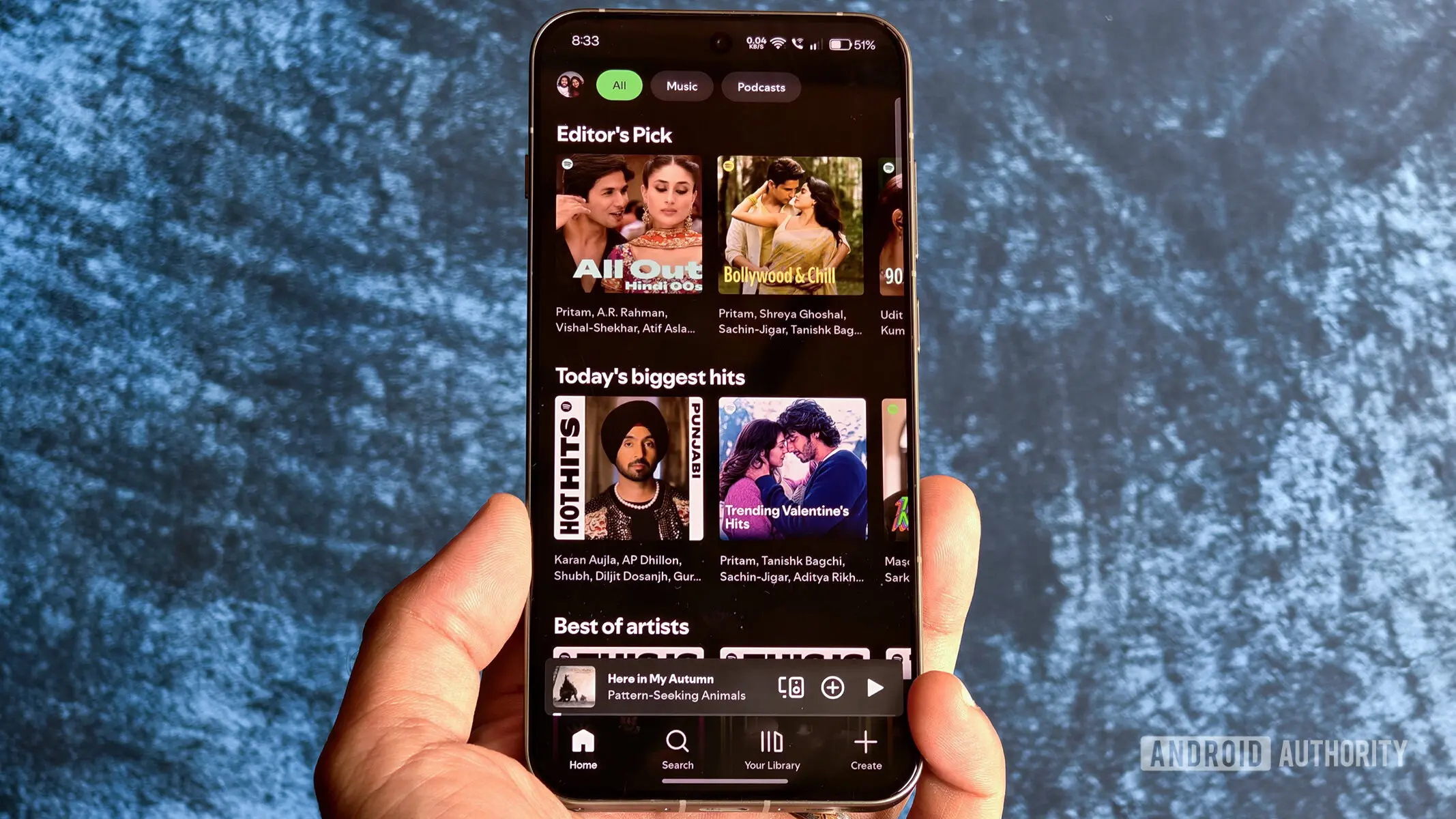
Passkeys are rapidly becoming the gold standard for online authentication, offering a seamless and secure way to log in without traditional passwords. Instead of typing a string of characters, users can authenticate with their fingerprint, face scan, or device PIN. This technology, based on the WebAuthn standard, is being adopted by major platforms like Apple, Google, and Microsoft, and is now integrated into many popular apps and websites. Given this trend, it has been somewhat surprising that Spotify, one of the world’s largest music streaming services, has not yet implemented passkey support. However, new evidence suggests that this may finally be changing.
Our latest investigation into the Spotify Android application, through a detailed APK teardown, has uncovered compelling signs that the company is actively developing passkey login functionality. Buried within the app’s code, we discovered new internal settings and activity indicators related to passkey authentication. Specifically, the app now includes a menu option to enable passkey management, along with code that appears designed to guide users through the process of registering a passkey with their Spotify account. These are strong indicators that the feature is in an active stage of development, even though it is not yet visible or functional for end users.
What Are Passkeys and Why Do They Matter?
To understand the significance of this potential update, it’s important to grasp what passkeys are and how they improve upon traditional passwords. A passkey is a cryptographic key pair stored on your device. When you register a passkey with a service like Spotify, your device generates a unique private key that stays securely on your phone, laptop, or security key. The corresponding public key is shared with the service. When you sign in, the service challenges your device to prove it holds the private key, which it does using your biometrics or device lock. This process is both phishing-resistant and highly convenient, as it eliminates the need to remember or type passwords.
Security experts have long advocated for passkey adoption because they are virtually immune to common threats like password theft, credential stuffing, and phishing attacks. Since the private key never leaves your device, stealing it remotely is extremely difficult. Even if a hacker compromises a service’s database, they would only obtain public keys, which are useless without the corresponding private keys. This makes passkeys a significant upgrade over passwords, which can be leaked, guessed, or intercepted.
For users, passkeys mean never having to reset forgotten passwords or worry about reusing the same password across multiple sites. Many find the login experience faster, as it often requires just a quick fingerprint scan or a glance at a camera. This convenience is a major driver of adoption, with companies like Apple, Google, and Microsoft integrating passkey support into their operating systems and browsers.
Spotify's Current Authentication Options
Currently, Spotify offers several ways to log in: using an email address and password, via phone number, or through third-party accounts like Apple ID, Google account, or Facebook. While these methods provide flexibility, they all have inherent vulnerabilities. Email and password combinations are susceptible to data breaches and password fatigue. Third-party logins, while more secure, still rely on the security of those external platforms and may not offer the same level of phishing resistance as passkeys. Moreover, using a third-party login links your Spotify account to another service, which can be a privacy concern for some users.
Spotify has also faced criticism for its handling of security issues in the past. In 2021, the company acknowledged a security incident that exposed some user data. While no passwords were believed to be compromised, the incident highlighted the need for stronger authentication measures. Adding passkey support would be a proactive step toward securing user accounts against evolving threats.
What the APK Teardown Revealed
Our teardown of the latest Spotify APK (version 8.8.98.544) uncovered several strings and code paths that strongly suggest passkey integration is underway. A new internal setting labeled “passkey_authentication” was found, along with a related activity called “PasskeyRegistrationActivity.” The code includes references to the WebAuthn protocol and FIDO2 standards, which are the foundation of passkey technology. Additionally, we found strings that would be used in the user interface, such as “Register a passkey” and “Use passkey to sign in.” These are clear signs that the development team has already implemented backend logic and is now working on the front-end flow.
It is worth noting that such teardowns analyze non-executable code and resources, so the presence of these elements does not guarantee a public release. Developers often experiment with features that are later shelved. However, given the maturity of the code found and the industry-wide push toward passkeys, it is highly likely that Spotify intends to launch this feature. The absence of third-party confirmation or a beta rollout suggests the feature might still be several months away from a stable release.
Industry Context and Competitor Adoption
If Spotify follows through, it will join a growing list of companies that have embraced passkeys. Apple’s iCloud Keychain supports passkeys across all Apple devices, and Google’s Password Manager does the same for Android and Chrome. Facebook (Meta) has already implemented passkey login for some users, and Netflix has also rolled out limited support. In contrast, Spotify has been notably absent from this list. A recent report from TechCrunch highlighted Spotify, along with Netflix and Instagram, as one of the largest services still lacking passkey support. This places pressure on Spotify to catch up, especially as user expectations for seamless and secure login methods continue to rise.
The music streaming market is highly competitive, with players like Apple Music, Amazon Music, and Tidal all vying for subscribers. User experience is a key differentiator, and authentication is often the first interaction a user has with a service. A frictionless, secure login process can reduce dropout rates during sign-up and improve overall retention. By adding passkeys, Spotify could enhance its onboarding experience, particularly on mobile devices where biometric authentication is already common.
Potential Implementation and User Experience
Based on the discovered code, we can speculate on how Spotify might implement passkeys. The most likely scenario is that users will be able to register a passkey from the account settings page. After verifying their identity through an existing login method, they would be prompted to create a passkey using their device’s biometric security or screen lock. Once registered, they could choose to log in simply by scanning their fingerprint or face, bypassing the need to enter a username and password.
Spotify could also allow passkeys to be used across multiple devices via cloud syncing, similar to how Apple and Google handle passkey sharing. For instance, if you register a passkey on your Android phone, it could sync to your Chromebook or Windows PC through your Google account. This would enable a seamless cross-device experience, which is crucial for users who listen to Spotify on various platforms. However, such cross-device support would require integration with platform-specific keychains, which may add complexity to the rollout.
Another possibility is that Spotify might offer passkey login as an additional option alongside existing methods, rather than replacing them. This would give users the flexibility to choose their preferred authentication mechanism. For security-conscious users, passkeys would be a welcome addition, while others may continue using traditional methods out of habit.
Challenges and Considerations
Despite the clear benefits, implementing passkeys is not without challenges. One major hurdle is ensuring backward compatibility with older devices and browsers that do not support the WebAuthn standard. Spotify has a massive global user base that spans a wide range of hardware and software configurations. The company will need to ensure that passkey registration and login processes gracefully degrade for users without compatible hardware, such as those with older Android phones or PCs lacking biometric sensors.
Another challenge is user education. Many people are still unfamiliar with passkeys and may be hesitant to switch from passwords. Spotify would need to provide clear explanations and a smooth setup process to encourage adoption. The company could follow the example of Google, which prompts users to create a passkey after they log in with credentials, with a simple one-tap setup. Similar in-app guidance could help drive adoption.
Privacy concerns may also arise. While passkeys are generally considered more private than passwords, some users might worry about biometric data storage. However, it’s important to note that biometric data never leaves the device; the passkey system only uses it to unlock the private key locally. Spotify would still need to communicate this clearly in its privacy policy and in-app explanations.
Looking Ahead: What This Means for Spotify Users
If these internal developments lead to a public feature, Spotify users can look forward to a more secure and convenient login experience. Passkeys would significantly reduce the risk of account takeover, especially for users who reuse passwords or fall for phishing attempts. For a service that stores music preferences, playlists, and potentially payment information, enhanced security is always a welcome improvement.
The timing of this discovery is also interesting, as the industry is moving toward passwordless authentication at an accelerating pace. Apple’s introduction of passkey support in iOS 16 and macOS Ventura, along with Google’s push for passkeys in Android and Chrome, has created a strong ecosystem. Spotify’s integration could open the door for more seamless login flows across devices, making it easier for users to access their music on the go.
Of course, nothing is guaranteed until an official announcement is made. Companies often explore features that never see the light of day. However, the presence of relatively mature code in a production app, combined with the strong industry trend, makes a strong case for passkeys coming to Spotify sooner rather than later. We will continue to monitor updates from the app and provide further insights as they become available.
In the meantime, users who are eager for improved security can take steps to protect their Spotify accounts, such as enabling two-factor authentication (2FA) via SMS or an authenticator app, using a strong and unique password, and being cautious of phishing attempts. While passkeys offer superior security, these existing measures provide a good baseline until passkey support arrives.
Ultimately, the discovery of passkey-related code in the Spotify app is an exciting development for users who value security and convenience. The music streaming giant may soon join the passwordless revolution, bringing its 500 million listeners a modern way to sign in. Whether this feature rolls out in the next few months or later, it represents a positive step toward a future where passwords are no longer the weak link in online security.
Source: Android Authority News