

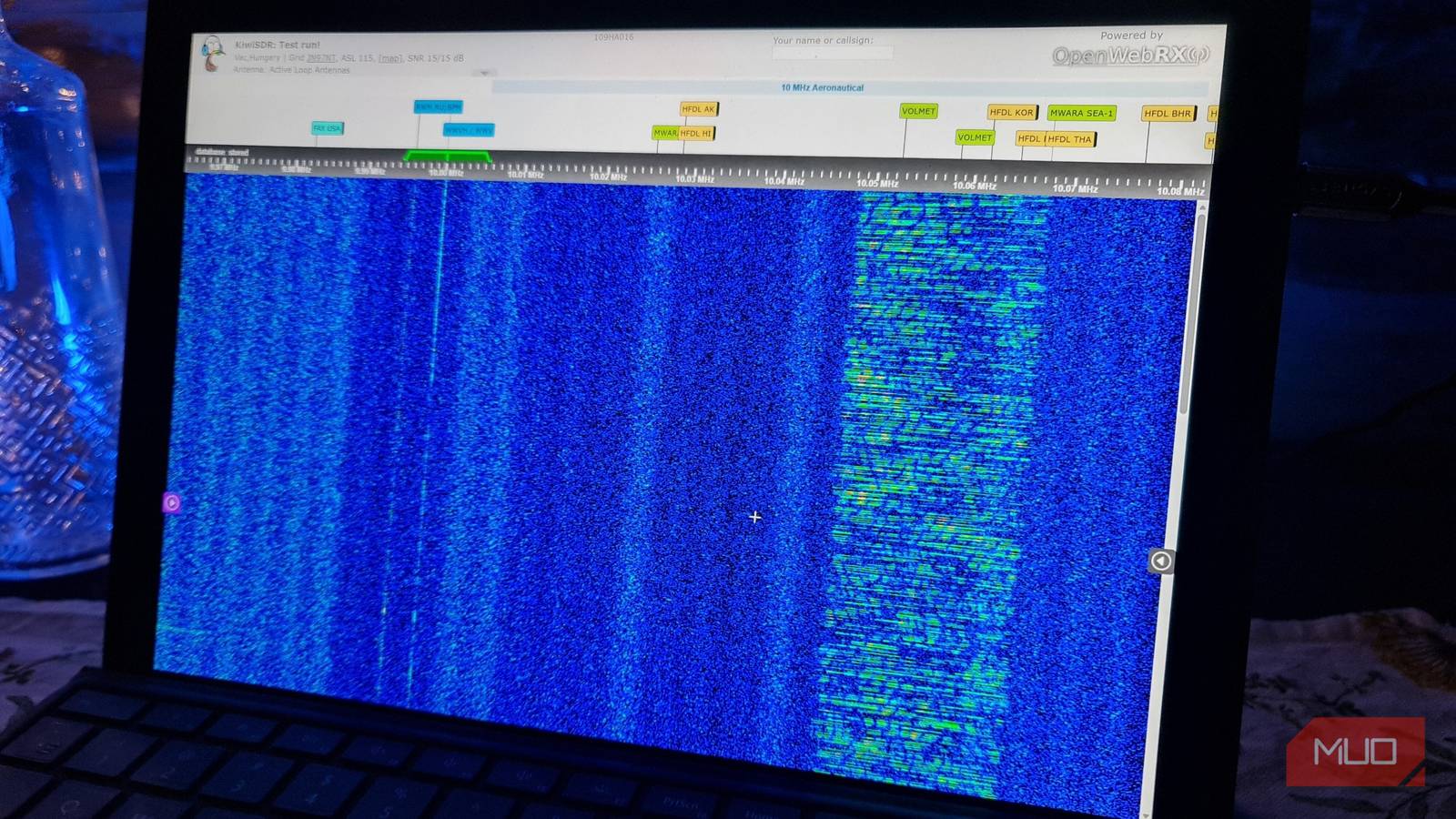
Shortwave radio has always held a unique place in the world of communication, offering a glimpse into signals that travel thousands of miles by bouncing off the ionosphere. Among the squeaks, squawks, and buzzing, there exist transmissions that have fascinated and unnerved listeners for decades. Thanks to publicly accessible WebSDR, KiwiSDR, and OpenWebRX receivers, you no longer need expensive equipment to explore these mysteries. You can simply go online, find a receiver, and start listening to the same signals that fuel radio folklore.
This journey begins with the most infamous of all: UVB-76, also known as "The Buzzer." Operating on 4625 kHz in Upper Sideband (USB) mode, it emits a monotonous buzzing sound that has been heard since the 1970s. Its purpose remains unknown, though it is widely believed to be a Russian military station. Occasionally, the buzzing is interrupted by a Russian voice reading short messages, adding to its eerie reputation. Many online receivers near its suspected location block the frequency to prevent abuse, but you can still find distant receivers that pick it up.
Beyond the Buzzer, there are other mysterious signals like "The Pip" and "The Squeaky Wheel," each with distinct sounds and schedules. The Pip operates at 5448 kHz during daylight and 3756 kHz at night, emitting a repetitive clicking sound that sometimes features Russian speech. The Squeaky Wheel, found at 5367 kHz (day) or 3363.5 kHz (night), produces a high-pitched two-tone squeak that can quickly become grating. These signals are part of a larger network of "numbers stations"—shortwave broadcasts that transmit groups of numbers, letters, or words in a calm, robotic voice.
Numbers stations are perhaps the creepiest aspect of shortwave radio. They are believed to be a form of one-way communication used by intelligence agencies to send coded messages to spies in the field. The most famous examples include HM01, a Cuban station that alternates between Spanish voice numbers and digital data bursts, and E11 (also known as Oblique), an English-speaking station that follows a complex schedule across multiple frequencies. The routine nature of these broadcasts—a flat voice reading seemingly random digits—creates an unsettling atmosphere, as if a hidden infrastructure is operating just beyond our perception.
Another fascinating category is the US High Frequency Global Communications System (HFGCS), used by the military for encrypted voice and data traffic. Tuning into frequencies like 11175, 8992, or 4724 kHz can reveal test counts, aircraft call signs, or the legendary "Skyking" message—a high-priority broadcast that instructs stations not to respond. Though rare to hear live, recordings of Skyking transmissions capture the gravity of a system designed for emergency action messages.
For those new to shortwave hunting, starting with time stations is recommended. WWV in the US (operating at 2.5, 5, 10, 15, and 20 MHz) and CHU in Canada (3330, 7850, 14670 kHz) provide consistent broadcasts of spoken time and clock ticks. These help you recognize normal utility signals, making it easier to spot anomalies like number stations or mysterious buzzers.
Software-defined radios (SDRs) are the key tool for modern radio hobbyists. Websites like rx-tx.info aggregate receivers worldwide, color-coded by type: purple for KiwiSDR, green for OpenWebRX, and blue for WebSDR. By selecting receivers under nightfall (which improves signal propagation), you can tune into signals from Europe, Africa, or Australia. The waterfall spectrogram displays signals visually, so you don't have to rely solely on your ears.
The allure of these signals lies not only in their mystery but also in their accessibility. Unlike old legends recorded decades ago, these stations are transmitting right now. You can hear them from your couch, knowing that somewhere, someone is keeping them alive—whether for military communication, espionage, or reasons unknown. The Priyom organization meticulously catalogs number station schedules, allowing you to plan your listening sessions and increase your chances of catching a transmission.
Ultimately, shortwave radio offers a raw, unfiltered connection to the world's hidden communications. It's a hobby that combines technical curiosity with a sense of adventure. The next time you hear a faint buzz or a calm voice reading numbers, remember that you're eavesdropping on a system designed to be secret—and that's what makes it truly creepy.
Source: MakeUseOf News