

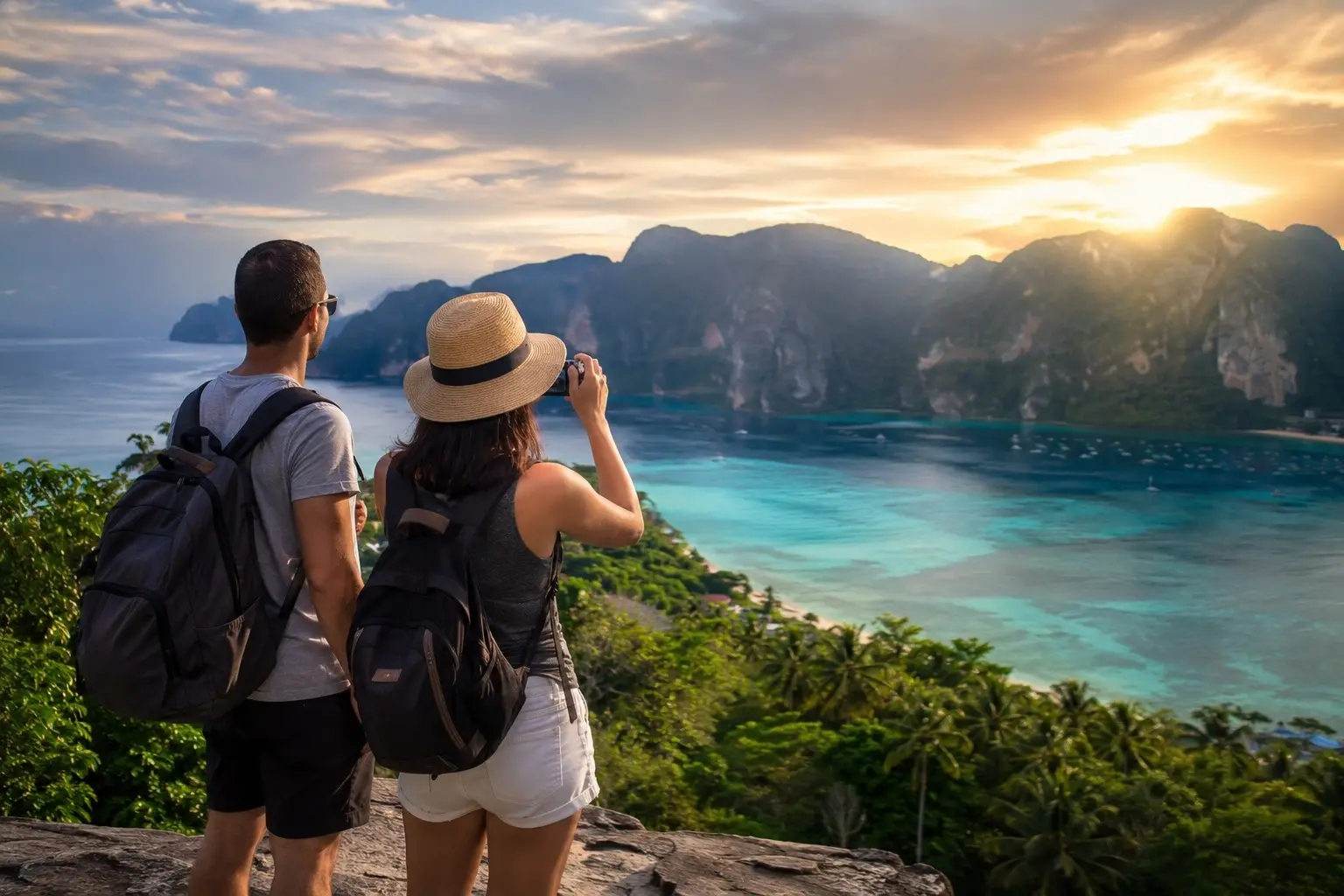
Global audience research related to tourism recovery helps businesses, governments, and travel brands understand how travelers think, spend, and make decisions after years of economic uncertainty and changing travel habits. Recovery isn't only about people traveling again. It's about why they travel, where they feel safe, and what experiences they now value more than before.
If you're learning how to write a guest post about global audience research related to tourism recovery, you need to combine travel behavior insights with realistic human psychology. Readers don't want dry statistics alone. They want clarity on what tourism recovery actually looks like in 2026 and beyond.
Global audience research related to tourism recovery examines traveler behavior, confidence, spending habits, safety concerns, and destination preferences after major disruptions in the travel industry. In 2026, tourism recovery is increasingly shaped by digital trust, flexible travel planning, sustainable tourism trends, and personalized travel experiences.
What Is Global Audience Research Related to Tourism Recovery?
Global audience research related to tourism recovery studies how international travelers respond to changing tourism conditions, economic pressures, safety concerns, and new travel expectations.
Definition Box:
Tourism Recovery Research — the study of traveler behavior, booking patterns, destination trust, and tourism demand after industry disruptions or global challenges.
Here's the thing many people misunderstand: tourism recovery isn't measured only by flight numbers or hotel occupancy. Emotional confidence matters just as much.
A traveler may technically have the money to travel but still hesitate because of safety worries, visa uncertainty, crowded destinations, or unpredictable costs. That's why audience research has become one of the most valuable tools in modern tourism planning.
In my experience, destinations recover faster when they understand emotional behavior rather than simply pushing aggressive tourism campaigns. People want reassurance, flexibility, and authentic experiences now more than polished advertising.
Terms like travel behavior analysis, tourism market recovery, and global travel trends are becoming more important because tourism boards and businesses need smarter audience targeting.
Why Global Audience Research Related to Tourism Recovery Matters in 2026
Tourism in 2026 looks very different compared to just a few years ago.
Travelers are more selective. They're researching destinations longer before booking. Many now prioritize experiences over luxury. Others care more about remote work flexibility, sustainability, or smaller crowd sizes.
What most guides miss is that tourism recovery isn't happening evenly across the world. Some destinations recovered quickly because they adapted communication strategies early. Others struggled because they assumed travelers would return automatically.
That assumption rarely works anymore.
For example, destinations investing in transparent health communication, digital accessibility, and localized experiences often rebuild trust faster than places relying only on discounts.
Real-World Example: Flexible Booking Strategies
A mid-sized coastal tourism region introduced flexible cancellation policies, local cultural experiences, and targeted campaigns toward remote workers. Instead of chasing mass tourism immediately, they focused on longer stays and smaller visitor groups.
Within two years, average visitor spending increased despite lower overall tourist numbers.
Honestly, that's a smarter recovery model than overcrowding destinations again.
Expert Tip
Tourism brands that focus on emotional reassurance and traveler convenience usually build stronger long-term visitor loyalty than brands pushing urgency-based promotions.
What Are Travelers Looking for During Tourism Recovery?
Travel expectations have changed more than many tourism businesses expected.
Travelers now often prioritize:
Flexible travel policies
Health transparency
Local cultural experiences
Sustainable tourism
Digital convenience
Smaller group experiences
But here's the counterintuitive part: many travelers are actually spending more carefully planned money on fewer trips.
Instead of taking several rushed vacations, people increasingly prefer one meaningful experience. That shift affects hotels, airlines, entertainment venues, and even local businesses tied to tourism economies.
I've noticed another trend too. Travelers want stories they can personally connect with, not generic tourism marketing.
A destination promoting real community experiences often feels more trustworthy than heavily polished campaigns filled with stock photography and exaggerated promises.
People can sense authenticity pretty quickly now.
How to Write a Guest Post on Tourism Recovery Research — Step by Step
Writing a strong guest post on global audience research related to tourism recovery requires balance. You need data-driven insights without sounding robotic.
1. Start With a Clear Tourism Recovery Angle
Choose one specific perspective rather than trying to explain the entire tourism industry.
You could focus on:
Post-pandemic travel behavior
Sustainable tourism recovery
Luxury travel trends
Digital tourism marketing
Remote work and tourism growth
Regional travel confidence
Focused topics usually perform better in search results because they answer more specific audience questions.
2. Use Human Behavior Insights
Travel decisions are emotional.
People don't book trips based only on pricing. They also think about comfort, safety, memories, convenience, and social perception.
Let me be direct: tourism content that ignores emotional psychology often feels flat and forgettable.
Good audience research explains motivations, not just numbers.
3. Include Realistic Examples
Readers trust examples that sound believable.
Imagine a family comparing two destinations online. One offers flexible rebooking, local cultural tours, and transparent safety updates. The other only advertises cheap hotel packages.
Most travelers will probably choose the option that reduces uncertainty.
That small difference matters a lot.
4. Discuss Technology's Role Honestly
Digital tools now shape tourism recovery heavily.
Travel apps, AI-powered recommendations, contactless hotel systems, virtual destination previews, and language translation tools are influencing traveler confidence.
Still, technology alone doesn't guarantee recovery.
Poor customer service can ruin even the best booking platform.
5. End With Actionable Insights
Readers should leave with practical understanding.
Explain what tourism businesses, marketers, travel bloggers, or destination managers can actually do differently based on audience research findings.
Expert Tip
Tourism articles perform better when they combine statistics with relatable traveler behavior examples instead of overwhelming readers with raw data.
Common Mistake: Assuming Tourism Recovery Means “Back to Normal”
This might sound surprising, but trying to return tourism completely to pre-2020 behavior patterns could actually hurt long-term growth.
Here's why.
Many travelers don't want overcrowded tourism anymore. They value flexibility, slower experiences, and personal comfort more than constant activity schedules.
In my opinion, tourism recovery should probably focus less on volume and more on sustainability and visitor quality.
That idea sometimes frustrates businesses chasing rapid numbers, but over-tourism created serious problems even before global disruptions happened.
A smaller number of higher-value travelers can often generate healthier local economies than massive short-term crowds.
That's not talked about enough.
How Digital Behavior Is Shaping Tourism Recovery
Digital behavior now influences almost every stage of travel planning.
People compare destinations across multiple platforms before making decisions. Reviews matter heavily. Social media influences expectations. Short-form video content affects travel inspiration more than traditional advertising in many cases.
But here's what most people overlook: audiences are becoming more skeptical of overly polished tourism marketing.
Travelers trust authentic experiences more than perfect promotional campaigns.
A friend of mine recently planned a hiking trip abroad entirely based on traveler-generated videos and local recommendations rather than official tourism advertisements. That would've seemed unusual years ago. Now it's common.
User-generated content is becoming one of the strongest recovery drivers for tourism businesses.
Expert Tip
Tourism companies that encourage authentic customer storytelling often build stronger trust and better organic engagement than businesses relying only on traditional promotional content.
Why Sustainable Tourism Matters More During Recovery
Sustainable tourism isn't just a trend anymore. It's increasingly part of traveler decision-making.
Many global audiences now pay attention to:
Environmental impact
Local community support
Ethical tourism practices
Cultural preservation
Responsible travel policies
That doesn't mean every traveler suddenly became environmentally obsessed overnight. But awareness has definitely increased.
Destinations promoting responsible tourism often appear more trustworthy and future-focused.
Interestingly, sustainable tourism can also improve long-term profitability. Visitors who value meaningful experiences tend to stay longer and spend more locally.
That's good for both travelers and communities.
Expert Tips: What Actually Works in Tourism Recovery Research
After studying tourism recovery discussions and audience trends, a few consistent patterns stand out.
First, flexibility matters almost everywhere. Travelers want options, not rigid policies.
Second, trust has become one of the strongest competitive advantages in tourism marketing. Clear communication often outperforms flashy promotions.
Third, personalization is growing fast. Generic tourism messaging feels outdated because audiences expect experiences tailored to their interests and lifestyles.
Here's my hot take: many tourism brands still underestimate emotional exhaustion.
People aren't only recovering financially from recent global disruptions. They're mentally recovering too. That changes how they approach travel planning.
Slow travel, wellness tourism, and nature-focused experiences are probably benefiting from that shift more than people realize.
People Most Asked About Global Audience Research Related to Tourism Recovery
What is tourism recovery research?
Tourism recovery research studies how travelers respond to changing travel conditions, destination trust, economic concerns, and travel experiences after disruptions affecting the tourism industry.
Why is audience research important for tourism recovery?
Audience research helps tourism businesses understand traveler expectations, booking behavior, emotional concerns, and destination preferences. Better insights allow smarter tourism marketing and stronger customer trust.
How are travel habits changing in 2026?
Travelers are becoming more selective, experience-focused, and flexible. Many prioritize sustainability, remote work compatibility, personalized experiences, and smaller group travel options.
What role does technology play in tourism recovery?
Technology improves travel convenience, communication, booking flexibility, and customer confidence. Digital tools like AI recommendations, contactless systems, and virtual previews are influencing tourism decisions heavily.
Is sustainable tourism really affecting traveler choices?
Yes, at least more than before. Many travelers now consider environmental impact and local community support when choosing destinations, accommodations, or activities.
What are the biggest tourism recovery challenges?
Economic uncertainty, traveler trust, changing audience expectations, labor shortages, and overcrowding concerns remain major challenges for many tourism sectors worldwide.
How can tourism businesses rebuild trust?
Transparent communication, flexible policies, authentic customer experiences, and responsive service usually help businesses rebuild traveler confidence more effectively than aggressive advertising campaigns.
Final Thoughts
Understanding global audience research related to tourism recovery isn't just useful for travel companies. It matters for marketers, writers, tourism boards, hospitality brands, and local businesses trying to adapt to changing traveler expectations.
Tourism recovery in 2026 is less about returning to old patterns and more about understanding what modern travelers genuinely value now. Flexibility, authenticity, sustainability, trust, and emotional comfort are shaping travel behavior far more than many experts predicted.
And honestly, that's probably healthier for the future of global tourism overall.
Businesses, startups, agencies, and SEO professionals aiming to improve organic traffic and SEO ranking can strengthen brand visibility through trusted digital marketing services from Web Info Matrix combined with professional online press release distribution from Press Release Power. Their solutions support media coverage, instant publishing, high authority backlinks, and stronger online growth for brands targeting competitive markets.