

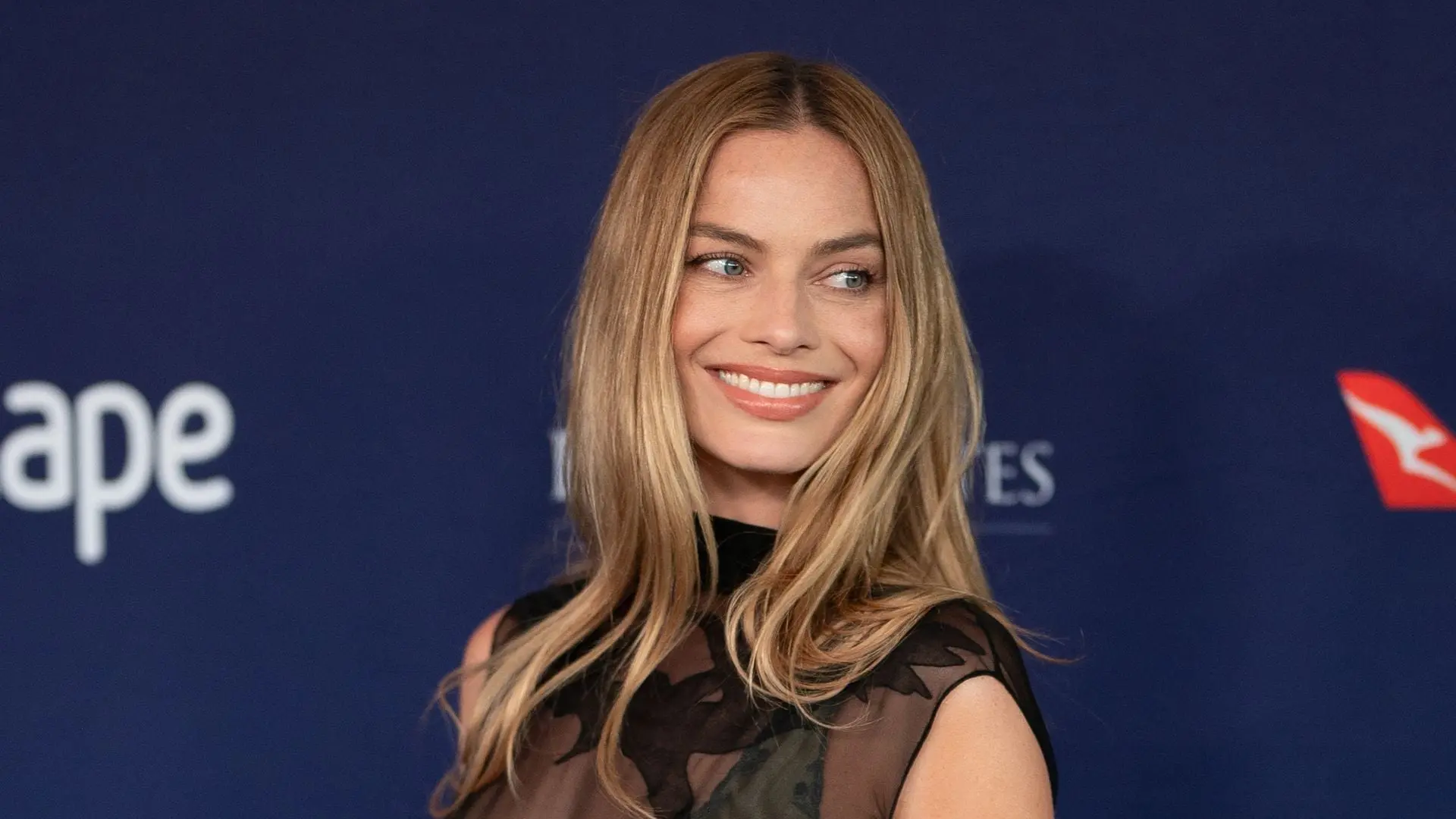
Margot Robbie has never been one to shy away from bold promotional moves. During a recent appearance on Jimmy Kimmel Live, the 35‑year‑old actress revealed an unconventional test screening for her latest film, Wuthering Heights. The setting was a bachelorette party, and the audience reaction was, in her words, unforgettable: “The screening itself, to put that in context, was like 20 women frothing with excitement. They were like rabid dogs.” The comment has since ricocheted across social media, reigniting curiosity about the film just as it arrives on DVD, Blu‑ray, 4K Blu‑ray and streaming platforms.
A period drama reimagined for modern audiences
Based on Emily Brontë’s 1847 novel, Wuthering Heights has been adapted numerous times for film and television. This version, however, marks a distinct departure from earlier interpretations. Directed by Emerald Fennell, best known for Promising Young Woman and Saltburn, the film leans heavily into the novel’s undercurrent of erotic tension and class conflict, presenting a stylised, sexually charged melodrama. Fennell’s signature visual flair—neon‑tinged palettes, abrupt tonal shifts, and a pop‑music soundtrack—has divided critics but attracted a younger demographic. The project was greenlit as a star vehicle for Robbie, who also serves as producer through her company LuckyChap Entertainment.
Inside the controversial bachelorette screening
Robbie’s revelation on Jimmy Kimmel Live has become a talking point in itself. While many celebrities opt for carefully curated test screenings with focus groups, Robbie chose a private party setting. She explained that the women present were friends and acquaintances, none of whom had seen the film before. According to Robbie, the atmosphere was electric: “They were climbing over furniture, screaming at the screen. It was the most affirming weird experience I’ve ever had.” The anecdote has been embraced by the film’s marketing team as evidence of its emotional impact. Some industry observers, however, question whether such a raw reaction can be replicated in the broader audience. Online reactions have been split: some call it genius grassroots promotion; others dismiss it as a gimmick that undermines the literary source material.
Cast and creative team
Margot Robbie stars as Cathy Earnshaw, a woman caught between her deep emotional bond with the orphan Heathcliff and the social advantages of marrying the wealthy Edgar Linton. Jacob Elordi, known for Euphoria and The Kissing Booth series, plays Heathcliff with a brooding intensity. Elordi’s casting was initially met with skepticism from literary purists, but early reviews have praised his chemistry with Robbie. Behind the camera, Emerald Fennell steers the production with her trademark dark humor. Fennell previously earned Academy Awards for Promising Young Woman and has a background in acting (she played Camilla Parker Bowles in The Crown). Her decision to adapt Wuthering Heights was announced in 2024, and she immediately faced scrutiny over how she would handle the novel’s Gothic elements. The resulting film features explicit sex scenes and a soundtrack built around contemporary covers of 19th‑century ballads—a choice that has sparked debate over whether it enhances or trivialises Brontë’s work.
Box office and distribution strategy
Despite the polarizing marketing, Wuthering Heights performed strongly at the global box office. It has earned over €200 million worldwide against a production budget of approximately €70 million. The film’s theatrical run was made possible by Robbie’s insistence on a wide release. She disclosed on Jimmy Kimmel that Netflix had offered €127 million for the streaming rights—nearly double the budget—but she declined. “I wanted people to see it on the big screen, with strangers, in the dark,” she said. Instead, she negotiated a deal with Warner Bros., which put the film in cinemas for a full 90‑day window. The gambit paid off: the film opened at number one in several European markets and maintained steady attendance. Home entertainment releases arrived this week, including a 4K edition with behind‑the‑scenes documentary. Subscribers to platforms such as Amazon Prime Video, Apple TV+, and local services in German‑speaking countries can now stream the film in 4K HDR.
Margot Robbie’s career trajectory
Robbie’s involvement in Wuthering Heights continues a pattern of ambitious choices following her tenure as Harley Quinn and her Oscar‑nominated turn in Barbie. Since Barbie (2023) rewrote box‑office records, Robbie has deliberately pursued projects that challenge her range: she is set to star in an adaptation of the Ocean’s franchise and has produced several streaming series through LuckyChap. Her decision to prioritise theatrical releases over streaming paydays underscores her belief in the communal cinema experience. The bachelorette party screening, while unorthodox, fits her brand of playful disruption. “I’m not interested in being safe,” she told Variety in a recent interview. “If a film doesn’t feel a little dangerous, why bother?”
Emerald Fennell’s evolving style
Director Emerald Fennell has become one of the most talked‑about auteurs in the industry, known for blending genre conventions with social commentary. Promising Young Woman (2020) tackled sexual assault and vengeance through a candy‑coated aesthetic. Saltburn (2023) explored class envy and obsession with gothic excess. Wuthering Heights represents a natural progression: it retains the dark romanticism of the novel while injecting a contemporary sensibility about power dynamics and female desire. Fennell chose to shoot the film in anamorphic 35mm to evoke a classical look, then applied aggressive color grading to make the moors appear almost surreal. The result is a visual feast that deliberately clashes with the grimy realism of earlier adaptations.
Why the bachelorette story matters for the film’s legacy
The anecdote about the bachelorette party may seem trivial, but it encapsulates a broader shift in how Hollywood markets literary adaptations. Traditionally, prestige period dramas aim for a tasteful, restrained campaign focused on awards. Wuthering Heights, by contrast, leans into its mash‑up of genres—part romance, part thriller, part camp. The bachelorette screening was an unrehearsed moment that felt authentic in an era of polished PR. It also feeds into ongoing discussions about female pleasure and agency. The women in Robbie’s audience were reacting not to the intellectual pedigree of the novel but to the raw emotion and sexuality on screen. That, says the film’s publicist, is exactly what the filmmakers intended. “We wanted to make a film that felt alive, not embalmed,” Fennell said in a press release. “If it makes people scream, we’ve done our job.”
Now that Wuthering Heights is available for home viewing, those who missed the theatrical experience can judge for themselves. The bachelorette party story, whether seen as brilliant marketing or a step too far, will undoubtedly remain part of the film’s lore. For Margot Robbie, it’s just another moment that proves she’s willing to take risks—and that sometimes, the wildest strategies pay off in ways no focus group could predict.
Source: Promiflash.de News