

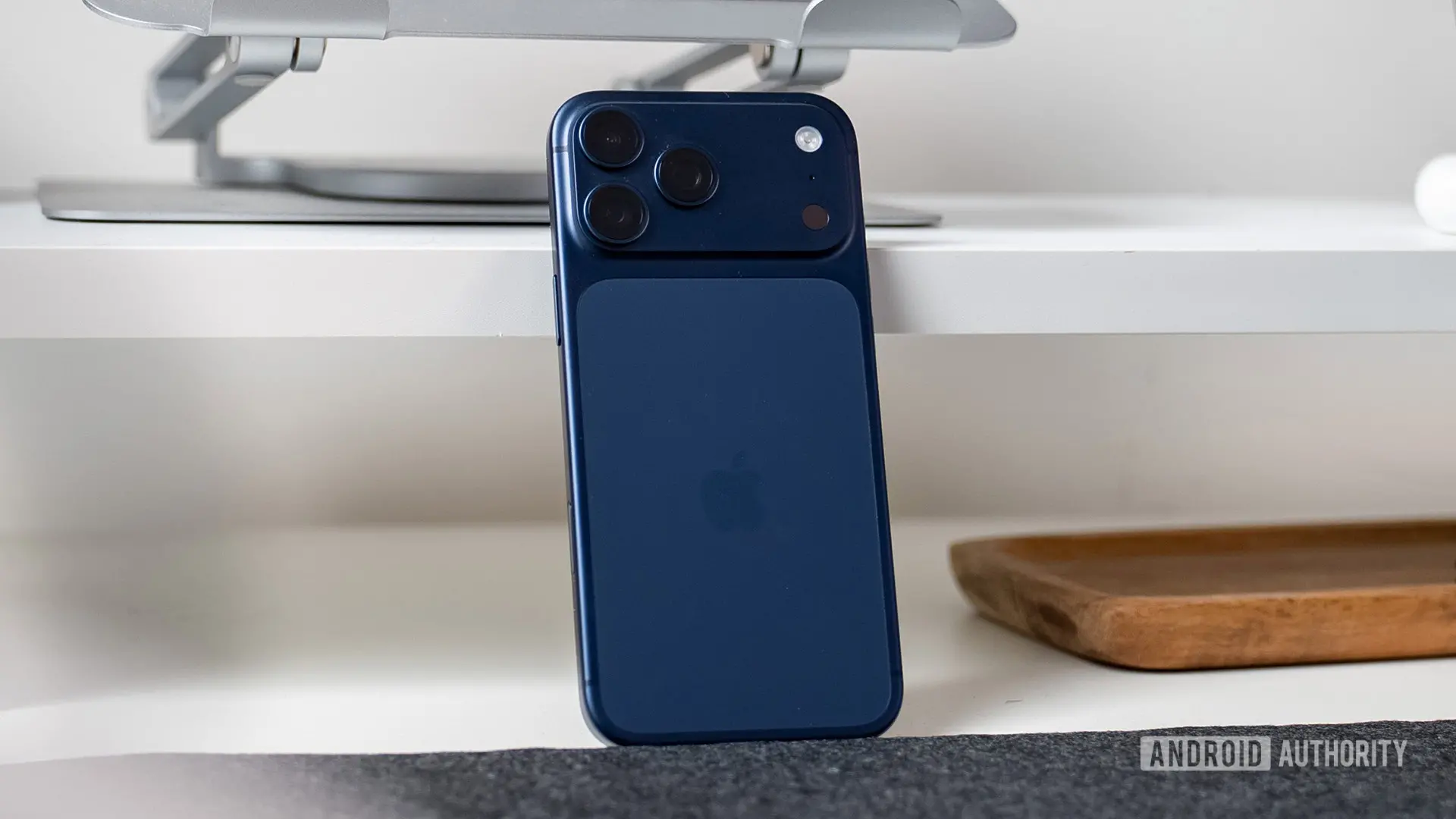
Apple has long been known for optimizing battery life through software and efficient hardware rather than simply increasing battery capacity. However, recent leaks suggest a major shift in strategy with the upcoming iPhone 18 Pro Max. According to regulatory filings in China's 3C database, the US version of the iPhone 18 Pro Max will pack a 5,567mAh battery—the largest ever in an iPhone. The Chinese variant will come with a 5,391mAh cell, still a considerable upgrade over last year's models.
Key Facts from the Leak
- The iPhone 18 Pro Max US model is listed with a 5,567mAh battery, while the Chinese variant has 5,391mAh.
- The iPhone 18 Pro (non-Max) shows a 4,288mAh battery for US models and 4,056mAh for Chinese versions.
- These figures represent a notable increase over the iPhone 17 Pro Max, which had 5,088mAh (US) and 4,823mAh (China).
- Regional differences exist due to the physical SIM tray: US models use eSIM-only, freeing up internal space for larger batteries.
- Apple is expected to pair the larger batteries with next-generation A-series chips and more efficient displays, further improving real-world endurance.
Historical Context: Apple's Battery Philosophy
For years, Apple has prioritized efficiency over raw capacity. The iPhone 16 Pro Max, for example, shipped with a 4,685mAh battery—significantly smaller than many Android flagships that routinely exceed 5,000mAh. Yet, iPhones consistently achieved competitive battery life thanks to tight integration between iOS, the A-series processors, and power-efficient display technology. This approach allowed Apple to keep devices thinner and lighter while still lasting a full day for most users.
However, the competitive landscape has shifted. Samsung, OnePlus, Xiaomi, and other Android manufacturers have been steadily increasing battery capacities. The Samsung Galaxy S25 Ultra is rumored to feature a 5,500mAh battery, while OnePlus has already launched phones with 5,400mAh cells. Xiaomi's flagship models often exceed 5,000mAh. Apple's incremental increases—usually a few hundred mAh per generation—were no longer keeping pace in the spec sheet race. The iPhone 18 Pro Max's rumored 5,567mAh battery would not only close this gap but potentially surpass some Android rivals.
Why the US Model Gets a Bigger Battery
The disparity between US and Chinese models stems from Apple's decision to adopt eSIM-only technology in the United States starting with the iPhone 14 series. By removing the physical SIM tray, Apple reclaimed valuable internal real estate that can be used for a larger battery or other components. In China, however, regulatory requirements still mandate physical SIM slots, forcing Apple to allocate space for the tray. This trade-off explains why US variants consistently have slightly larger batteries.
For consumers, the eSIM-only approach is not without drawbacks. Travelers who frequently swap SIMs may find eSIM less convenient, though carriers globally have expanded eSIM support. Nonetheless, the battery benefit is clear: an extra 176mAh in the Pro Max (5,567 vs 5,391) and an extra 232mAh in the regular Pro (4,288 vs 4,056). Those additional capacities could translate to roughly 30–45 minutes of extra video playback or web browsing.
Comparison with Android Competitors
If the leaked figures hold true, the iPhone 18 Pro Max would be one of the largest batteries in any flagship smartphone. For reference, the Samsung Galaxy S24 Ultra has a 5,000mAh battery, and the upcoming Galaxy S25 Ultra is rumored to reach 5,500mAh. The OnePlus 13 is expected to offer a 5,400mAh cell. The Xiaomi 14 Ultra packs 5,000mAh. Apple's 5,567mAh would beat all these, at least on paper.
However, battery capacity alone does not determine real-world battery life. Apple's efficiency gains from the A19 chip (likely built on a 3nm+ process) and a new LTPO OLED display with variable refresh rate could push endurance even further. The combination of a large cell and optimized silicon might allow the iPhone 18 Pro Max to last two full days with moderate use—a feat few current flagships achieve.
Samsung, in particular, should be concerned. The Korean giant has long dominated the Android battery life conversation, especially with its high-capacity cells and fast charging. If Apple delivers a phone that not only matches but exceeds Samsung's battery capacity, and combines it with superior efficiency, the Galaxy S series could lose a key selling point. Moreover, Apple's tight control over hardware and software gives it an edge in tuning power consumption, something Android manufacturers struggle with due to fragmentation.
Implications for the Industry
This leak signals a broader trend: Apple is no longer content to rely solely on efficiency. By embracing larger batteries, the company is addressing one of the few remaining hardware gaps between iPhones and the best Android devices. Previously, critics noted that even the best iPhones had smaller batteries than mid-range Android phones. The iPhone 18 Pro Max's battery could silence those critiques.
For consumers, this means longer usage times, especially for power users who stream video, play games, or use GPS extensively. It also paves the way for new features that demand more power, such as always-on displays with higher refresh rates, advanced AI processing, or enhanced camera capabilities. Apple may also leverage the extra capacity to improve charging speeds—a long-standing pain point, as iPhones still charge at around 27W wired, far slower than Android rivals that reach 65W or more.
Regulatory filings have historically proven reliable for predicting unreleased hardware. Although Apple has not commented, the consistency of the leaks from multiple sources increases credibility. The iPhone 18 series is expected to launch in September 2025, giving Apple time to finalize designs. If these battery numbers are accurate, the iPhone 18 Pro Max could set a new benchmark for flagship smartphone endurance.
In addition, the move could pressure other manufacturers to further increase capacities. A 6,000mAh phone might become the new standard for Android flagships, triggering a capacity arms race. But Apple's advantage lies in its ability to pair large batteries with unmatched efficiency, creating a product that appeals to both spec-conscious buyers and those who simply want a phone that lasts longer.
While details about the A19 chip and display technology remain scarce, early rumors suggest significant efficiency improvements. TSMC's 2nm process may debut in the iPhone 19, but the iPhone 18 is expected to use an enhanced 3nm node. Combined with a micro-lens OLED panel that reduces power consumption by up to 30%, the iPhone 18 Pro Max could achieve all-day battery life even with heavy use.
Ultimately, the battery leak is the strongest indication yet that Apple is listening to market demands. The company has historically resisted chasing numbers, but as the smartphone market matures, battery life has become a key differentiator. By adopting a larger cell, Apple is not only catching up but potentially leapfrogging competitors. Samsung and others will need to respond if they want to maintain their positions.
Source: Android Authority News