

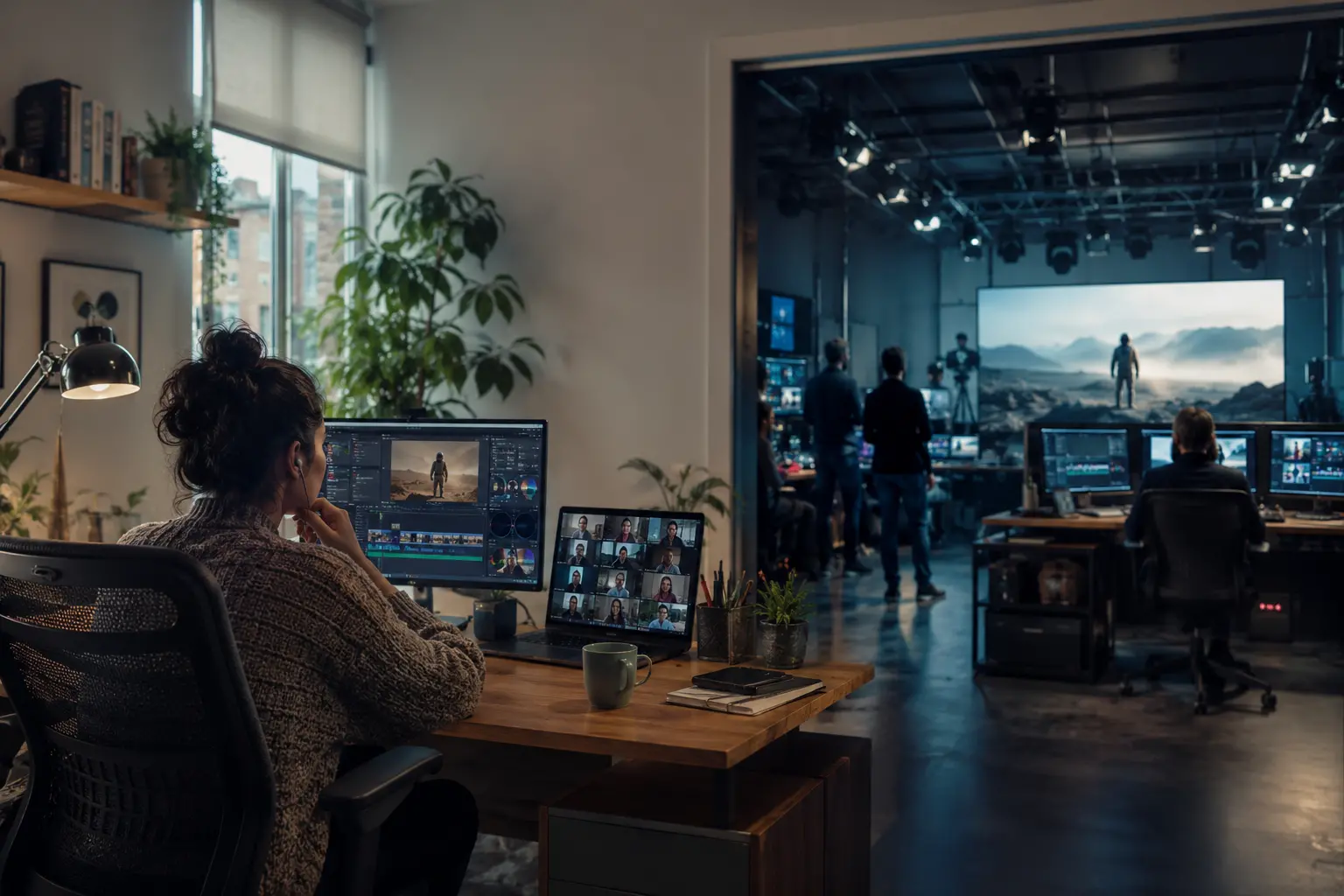
Research on hybrid workplaces and the future of global entertainment shows how work flexibility is reshaping the way people consume movies, music, gaming, livestreams, and digital experiences. As more professionals split time between offices and home environments, entertainment habits are becoming more personalized, mobile, and deeply connected to everyday work-life routines.
Here's the thing. Entertainment used to revolve around evenings and weekends. Hybrid work changed that rhythm completely. People now consume content throughout the day in smaller, more flexible moments.
In my experience, this shift is creating a future where entertainment companies must compete not just for attention, but for emotional convenience and adaptability too.
Research on hybrid workplaces and the future of global entertainment reveals that flexible work models are changing media consumption habits, increasing demand for personalized digital content, expanding streaming and gaming industries, and reshaping how audiences interact with entertainment platforms worldwide.
What Is Research on Hybrid Workplaces and the Future of Global Entertainment?
Hybrid Workplace Entertainment Shift: A long-term change in entertainment behavior caused by employees balancing remote and in-office work routines, leading to more flexible and digitally integrated media consumption.
Research in this area examines how hybrid work environments influence:
Streaming habits
Online gaming growth
Virtual entertainment experiences
Digital creator economies
Flexible viewing schedules
Global entertainment accessibility
What most people overlook is that entertainment consumption now overlaps directly with work routines.
Someone working from home might stream background content during tasks, listen to podcasts between meetings, or consume short-form entertainment during breaks. Those small behavioral changes add up fast.
And honestly, entertainment companies are still trying to fully understand what this means long term.
Quick Answer
Hybrid workplaces are influencing global entertainment by increasing on-demand content consumption, encouraging mobile entertainment habits, boosting creator-driven platforms, and changing how audiences balance productivity with leisure.
Why Hybrid Workplaces and Entertainment Trends Matter in 2026
Entertainment behavior in 2026 is becoming more fragmented but also more personalized.
Traditional viewing schedules continue fading. Consumers increasingly watch, listen, and interact with entertainment when it fits their flexible routines rather than fixed broadcasting schedules.
A realistic example explains this well.
Imagine a marketing manager working remotely three days a week. Instead of waiting until evening television hours, they consume entertainment in shorter sessions throughout the day — podcasts while cooking lunch, livestream gaming during breaks, or documentary streaming after meetings.
Now multiply that behavior across millions of workers globally.
That's why entertainment platforms increasingly focus on flexibility and personalized recommendations instead of rigid scheduling systems.
Expert Tip
When analyzing entertainment trends connected to hybrid work, study time-distribution behavior instead of only total screen time. Flexible work changes when people engage with content, not just how much they consume.
How Hybrid Work Is Changing Entertainment Consumption
Entertainment habits now reflect more fluid lifestyles.
Before hybrid work became common, entertainment often acted as a clear escape from structured office schedules. Today, work and entertainment overlap far more frequently.
That overlap influences multiple industries.
Streaming Consumption Is Becoming More Flexible
Streaming platforms benefit heavily from hybrid work routines.
People no longer consume content only during prime evening hours. Midday viewing, background streaming, and second-screen behavior continue growing because workers control schedules more independently.
At least from what I've seen, convenience now matters more than content quantity alone.
Gaming Is Expanding Beyond Traditional Audiences
Hybrid work also supports gaming growth.
Some workers use gaming socially during breaks or after flexible work periods instead of commuting. Online multiplayer experiences increasingly function as digital social spaces rather than purely entertainment products.
That's a huge cultural shift.
Gaming communities now overlap with professional lifestyles more naturally than before.
Podcasts and Audio Entertainment Are Growing
Audio content fits hybrid routines especially well.
People listen while:
Working remotely
Exercising
Cooking
Traveling occasionally
Managing household tasks
This flexibility makes podcasts and audio entertainment highly adaptable to modern work lifestyles.
Short-Form Content Continues Expanding
Short-form videos and creator-driven content remain popular because hybrid workers often consume entertainment in brief sessions throughout the day.
Long-form content still matters, obviously. But quick, emotionally engaging content fits fragmented schedules more naturally.
Why Entertainment Companies Are Rethinking Audience Behavior
Hybrid work changed audience expectations significantly.
Consumers increasingly expect entertainment that feels:
Accessible
Personalized
Flexible
Interactive
Mobile-friendly
Entertainment businesses that ignore these behavioral shifts may struggle with audience retention over time.
The Attention Economy Is More Competitive
Here's my hot take: hybrid work didn't simply increase entertainment consumption. It intensified competition for attention.
People now balance work notifications, streaming platforms, gaming apps, social media, podcasts, and digital communication simultaneously.
Entertainment companies compete within much noisier environments than before.
That changes content strategy entirely.
Emotional Comfort Drives Entertainment Choices
Many hybrid workers use entertainment to create emotional separation from work stress.
Comfort viewing, familiar content, relaxing audio experiences, and low-pressure entertainment formats continue performing well partly because people seek psychological relief after spending long hours in blended work-home environments.
That emotional layer matters a lot.
How to Research Hybrid Workplaces and Entertainment Trends Step by Step
If you're studying this topic professionally, structured analysis helps tremendously.
1. Study Flexible Consumption Patterns
Analyze when people consume entertainment rather than only how much they consume.
Research:
Daytime streaming
Mobile viewing habits
Background entertainment usage
Multi-device behavior
Timing patterns reveal major behavioral shifts.
2. Compare Remote and Office Worker Habits
Hybrid workers often consume media differently from fully office-based employees.
Examine:
Streaming frequency
Gaming engagement
Podcast listening
Social media interaction
Work structure strongly influences media behavior.
3. Monitor Device Usage Trends
Entertainment increasingly moves across multiple devices.
Consumers switch between:
Smartphones
Laptops
Tablets
Smart TVs
Gaming systems
That flexibility shapes entertainment accessibility.
4. Track Creator Economy Growth
Independent creators benefit from hybrid work trends because audiences increasingly consume personalized niche content throughout flexible schedules.
Smaller creators now compete more effectively for attention.
5. Analyze Emotional Engagement
Entertainment isn't only about distraction.
People often seek:
Relaxation
Social connection
Escapism
Motivation
Background companionship
Psychological factors strongly influence content choices.
Common Misconception About Hybrid Work and Entertainment
Many people assume hybrid work simply increases screen addiction.
Not always.
Some workers actually become more selective with entertainment because they spend more time managing digital environments already. Quality and emotional comfort increasingly matter more than endless content volume.
The Surprising Rise of Passive Entertainment
One unexpected trend is the growth of passive entertainment behavior.
People increasingly consume content while multitasking instead of giving full attention continuously.
Background podcasts, casual livestreams, ambient video content, and low-intensity entertainment formats continue growing partly because hybrid workers blend productivity with light entertainment throughout the day.
Honestly, I didn't expect passive entertainment to become this influential.
But it makes sense once you observe modern work routines closely.
Example of Hybrid Entertainment Behavior
Imagine a remote software designer working flexible hours.
During focused work sessions, they play ambient music streams. During breaks, they watch short comedy clips or livestream gaming highlights. Later in the evening, they join virtual social entertainment events with friends across different cities.
Entertainment becomes woven into the entire day rather than isolated to one time slot.
That’s a major behavioral change.
Expert Tip
When researching entertainment trends, pay attention to emotional fatigue. Audiences increasingly prefer content that feels mentally manageable instead of constantly intense or overstimulating.
Why Global Entertainment Is Becoming More Personalized
Hybrid work supports individualized media routines.
Traditional entertainment systems relied heavily on mass synchronized audiences. Streaming and digital platforms now allow consumers to shape highly personalized entertainment schedules.
This influences:
Recommendation algorithms
Niche content production
Interactive entertainment
Personalized advertising
Creator-focused platforms
Entertainment becomes less centralized over time.
Local and Global Content Are Mixing
Hybrid work also increases exposure to international entertainment.
Flexible schedules allow audiences to explore global creators, foreign-language streaming, online communities, and niche entertainment genres more freely.
Cultural entertainment boundaries continue softening.
Expert Tips: What Actually Works in Hybrid Entertainment Markets
After studying entertainment behavior trends, several clear patterns stand out.
Convenience Beats Complexity
Audiences increasingly prefer platforms that reduce friction and simplify access.
Emotional Connection Matters More
Content that creates comfort, familiarity, or social interaction often performs better than purely high-budget spectacle.
Flexible Content Formats Win
Consumers increasingly value entertainment adaptable to different devices and time windows.
Attention Spans Are Contextual
People still engage deeply with long-form content when emotionally invested. Short attention spans aren't universal.
That nuance gets ignored constantly.
People Most Asked About Research on Hybrid Workplaces and the Future of Global Entertainment
How are hybrid workplaces changing entertainment habits?
Hybrid workplaces create more flexible schedules, allowing people to consume entertainment throughout the day instead of only during evenings.
Why is streaming growing because of hybrid work?
Flexible work routines increase on-demand viewing behavior, making streaming platforms more convenient for modern audiences.
Does hybrid work increase gaming activity?
In many cases, yes. Flexible schedules and remote social interaction contribute to growing gaming participation and online community engagement.
Why are podcasts becoming more popular with remote workers?
Podcasts fit multitasking routines well, allowing workers to consume entertainment while performing other activities.
How does hybrid work affect movie and television industries?
Entertainment companies increasingly prioritize flexible distribution, personalized recommendations, and digital accessibility over traditional scheduling models.
Are global entertainment audiences becoming more connected?
Yes. Flexible digital consumption allows audiences to discover international creators, niche communities, and foreign-language content more easily.
Will hybrid work permanently change entertainment behavior?
Most likely. Flexible work structures continue influencing how, when, and why people consume entertainment globally.
Final Thoughts
Research on hybrid workplaces and the future of global entertainment reveals a major behavioral transformation. Entertainment is no longer separated cleanly from work routines. Instead, it blends into flexible lifestyles where people consume content continuously across different devices, locations, and emotional states.
Businesses in entertainment industries that understand flexibility, emotional engagement, and personalized experiences will likely adapt more successfully as hybrid work continues shaping audience behavior worldwide.
From what I've seen, the future of entertainment probably won’t depend only on creating bigger content. It’ll depend on creating content that fits naturally into how people actually live and work now.
Businesses, agencies, startups, and SEO professionals looking to improve organic traffic, media coverage, and SEO ranking can expand digital reach through trusted global newswire services combined with advanced digital marketing company strategies. These platforms help brands secure high authority backlinks, instant publishing exposure, stronger brand visibility, and wider audience engagement through professional press release publishing and performance-focused SEO services.