

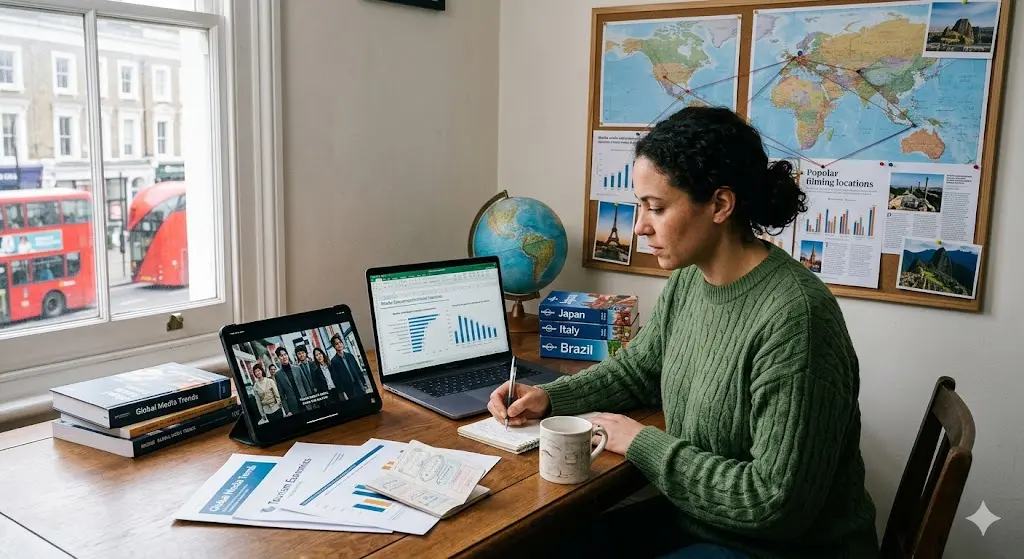
Streaming platforms are quietly reshaping how people choose destinations, plan trips, and even experience international travel before they book anything. When you search for a place today, chances are your curiosity didn’t start with a guidebook—it started with a show, a documentary, or a travel vlog. That shift matters more than most people realize.
What I’ve seen over the last few years is simple: travel decisions are no longer purely practical. They’re emotional, and streaming content is driving that emotion. In this article, we’ll break down how streaming platforms influence global tourism, what’s changing in 2026, and why some destinations are suddenly “viral” without spending a single dollar on traditional ads.
Streaming platforms influence international travel by shaping destination desire, cultural curiosity, and travel planning behavior. Shows, films, and documentaries increase tourism demand by turning locations into emotional experiences before visitors arrive. This leads to “screen tourism,” faster destination popularity cycles, and more spontaneous international travel decisions driven by digital storytelling.
What Is Streaming Platforms Impact International Travel?
Definition box:
Streaming tourism influence is the way digital video platforms shape travel decisions by turning on-screen locations into real-world tourism destinations.
Streaming platforms like Netflix, YouTube, and Disney+ don’t just entertain anymore. They act like invisible travel agents. A viewer finishes a series, pauses, and suddenly thinks, “I need to go there.”
Here’s the thing: this isn’t new, but the scale is different now. One show can push millions of people toward a destination within weeks. I’ve seen smaller cities go from barely searchable to fully booked in peak season just because they appeared in a trending series.
And let me be direct—this influence is stronger than most tourism boards expected. They didn’t plan for storytelling platforms becoming travel infrastructure.
Why Streaming Platforms Impact International Travel Matters
In 2026, streaming content isn’t just global—it’s hyper-personalized. Algorithms decide what you watch, and what you watch quietly decides where you want to go.
What most people overlook is how emotional repetition works. If you keep seeing a destination across different shows, it starts feeling familiar, even if you’ve never been there. That familiarity lowers the psychological barrier to international travel.
From what I’ve observed, there’s also a second layer: affordability perception. When a destination looks “known,” travelers assume it’s easier to navigate, even if that’s not true.
A personal opinion here—this is where things get a bit tricky. I think streaming platforms are unintentionally flattening cultural complexity. Places become aesthetic backdrops first, and real communities second.
Expert tip: destinations that appear in multiple genres (romance, thriller, travel docs) tend to build longer-lasting tourism spikes than those featured in just one viral scene.
How Streaming Platforms Drive International Travel — Step by Step
Let’s break down the actual chain of influence. It’s not random—it follows a pattern.
1. Exposure through storytelling
A viewer encounters a destination inside a story. It might be a dramatic city skyline or a quiet countryside village.
2. Emotional attachment forms
Characters create emotional anchors. People associate places with feelings, not geography.
3. Search behavior kicks in
After watching, users search locations, filming spots, or “where was this shot?”
4. Social amplification happens
Travel creators and influencers replicate the same destinations, multiplying visibility.
5. Travel intent becomes action
Flights get booked, often without traditional travel research stages.
Expert tip: I’ve noticed that people rarely “plan” screen-inspired trips in detail. They book first, research later. That reversal is surprisingly common.
How Travel Behavior Changes After Watching Streaming Content
Let’s talk real behavior shifts. This is where things get interesting.
People now travel with “scene memory.” Instead of landmarks, they look for exact camera angles. You’ll hear phrases like “this café from episode 3” more often than “local café nearby.”
Here’s an unexpected twist: some travelers actually feel disappointed when real locations don’t match their on-screen version. Not because the place is bad—but because expectations were built on edited reality.
Mini case example:
A traveler books a trip after watching a romantic series set in a European coastal town. When they arrive, they realize the filming used multiple locations stitched together digitally. The emotional disappointment is real, even though the destination itself is beautiful.
In my experience, this mismatch is becoming more common, especially with heavily edited cinematic travel scenes.
Expert Tips / What Actually Works in Understanding This Trend
Expert tip: destinations that collaborate directly with streaming productions tend to gain more stable tourism growth than those that rely on accidental exposure.
Let me be honest—random viral fame sounds exciting, but it’s unstable. One month you're trending, the next month you're forgotten. Structured collaboration creates repeat visitors, not just one-time curiosity travelers.
Another thing most people miss is secondary travel effects. Travelers don’t just visit filming locations; they extend trips to nearby regions. That spillover effect often benefits smaller towns more than the actual featured city.
And here’s a slightly unpopular opinion: not all tourism growth from streaming is positive. Some destinations struggle with overcrowding that local infrastructure isn’t ready for.
Expert tip: destinations should treat streaming exposure like sudden advertising spikes, not long-term tourism guarantees.
Real-World Influence of Streaming Platforms on Travel Choices
Let’s connect theory to reality.
A major European city recently saw a sharp rise in young international travelers after being featured in a globally popular romance series. Hotels didn’t change pricing strategy at first, assuming it was temporary. But demand kept increasing across multiple seasons of the show.
At the same time, a documentary series about remote islands led to a surprising rise in eco-tourism bookings in regions that previously had minimal international visitors.
What’s fascinating is that this influence isn’t limited to fiction. Even non-travel content—crime series, cooking shows, lifestyle content—can trigger destination interest.
Why Some Destinations Go Viral Overnight
Here’s the thing: virality in travel isn’t about beauty alone anymore.
It’s about narrative fit.
If a destination matches a mood—romantic, mysterious, adventurous—it can go viral regardless of size or popularity.
And this is where streaming platforms outperform traditional travel marketing. They don’t sell places. They sell stories. That difference changes everything.
People Most Asked About Streaming Platforms Impact International Travel
How do streaming platforms influence travel decisions?
They shape emotional interest in destinations through storytelling. Viewers often associate locations with characters and experiences, which increases travel intent without traditional advertising.
Do streaming shows really increase tourism?
Yes, in many cases they do. Popular shows can lead to sudden spikes in international visitors, especially when locations are visually distinctive or emotionally memorable.
What is “screen tourism”?
It refers to traveling to places because they were featured in films, shows, or online streaming content. It’s now a major driver of modern travel behavior.
Can streaming platforms hurt destinations?
They can, especially when sudden tourism growth overwhelms infrastructure or distorts local culture for visitors.
Why do people trust destinations seen in shows?
Familiarity plays a big role. Seeing a place repeatedly on screen creates a sense of recognition, making it feel safer and more accessible.
Are documentaries more influential than fiction?
It depends. Documentaries build trust, while fiction builds emotional attachment. Both can strongly influence travel behavior in different ways.
What types of shows drive the most travel interest?
Romantic dramas and visually rich travel documentaries tend to generate the strongest destination curiosity.
Promotional Paragraph
Our network site provides related offerings including guest posting services, press release distribution services, and SEO services designed to enhance brand visibility, organic traffic, and media coverage across global platforms. Explore powerful publishing solutions at PR distribution services and digital marketing agency to strengthen SEO ranking and achieve high authority backlinks that support long-term digital growth for businesses, agencies, and startups.