

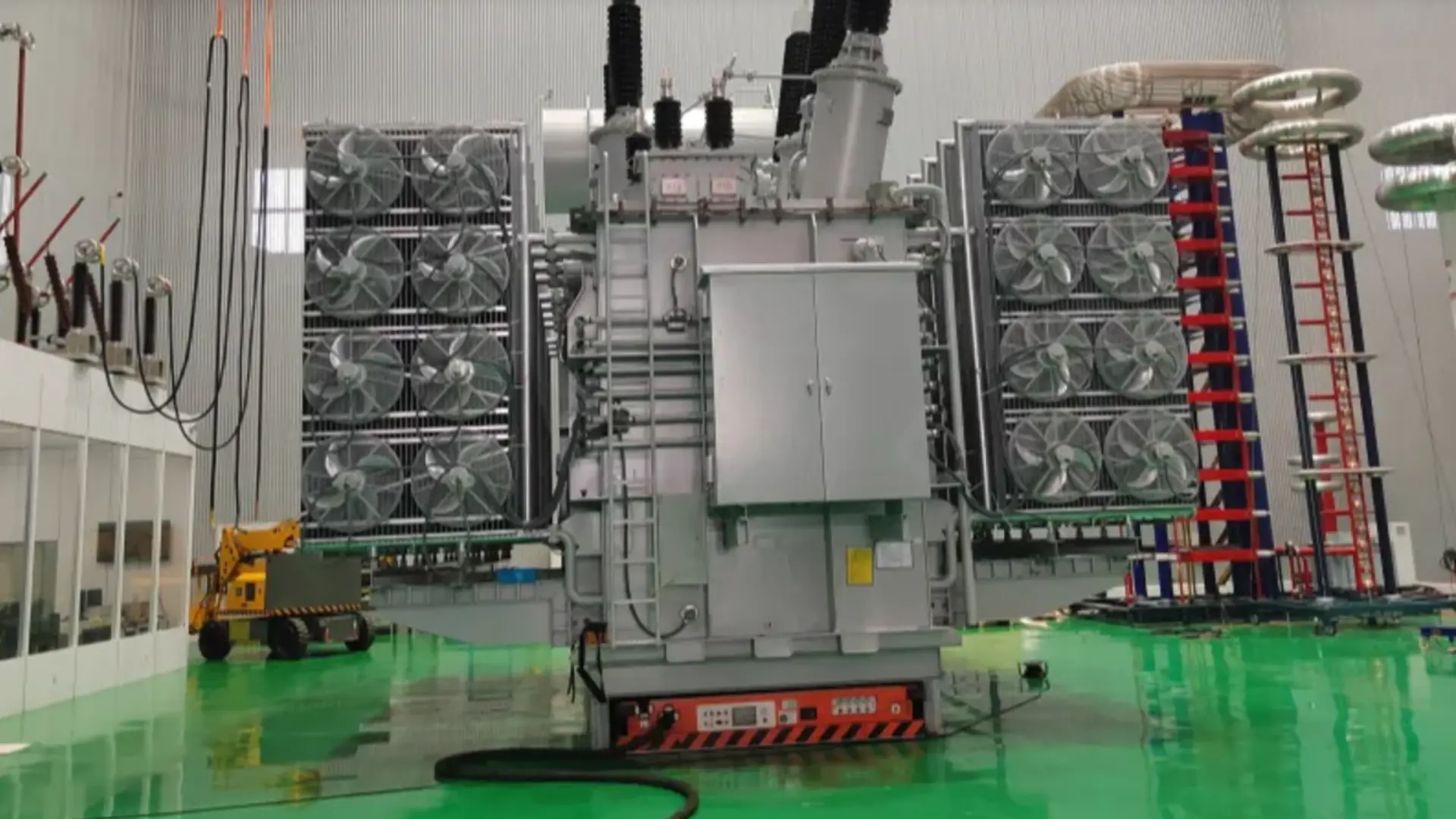
The world stands at a precipice of energy scarcity as the insatiable appetite of artificial intelligence data centers and the accelerating shift toward electric vehicles converge to overwhelm power infrastructure. Across Europe and the United States, grids are groaning under the load, transformer manufacturing faces a four-year backlog, and factories are forced to curtail production. The situation threatens not only economic stability but also the very ambition of a green energy transition.
The Perfect Storm of Demand
The digital revolution, powered by AI, relies on vast computational resources housed in massive data centers. These facilities consume enormous amounts of electricity—a single large AI training cluster can draw as much power as a small city. As companies like OpenAI, Google, and Microsoft race to develop more advanced models, the demand for computing power skyrockets. Simultaneously, governments push for widespread electrification of transportation, with electric vehicle sales surging. Each EV requires charging, often during peak hours, adding to the burden on already strained local distribution networks. The International Energy Agency estimates that global electricity demand from data centers could double by 2026, while EV electricity consumption is projected to grow by 30% annually.
This concurrent growth creates a perfect storm. Grid operators in regions like Northern Virginia, the data center capital of the world, and parts of Germany and the UK report that new connections for large loads face delays of up to seven years. The bottleneck is not just transmission lines but the humble transformer, a critical component that steps voltage up or down for safe distribution. Transformer manufacturing capacity has not kept pace, and lead times have stretched from a few months to four years or more. This shortage is not only a logistical problem but a strategic one, as it impedes the integration of renewable energy sources and the expansion of EV charging networks.
Transformer Troubles and Factory Fallout
Transformers are the backbone of the electrical grid. They are required in substations, at renewable energy farms, and at the point of consumption for large industrial and commercial facilities. The sudden surge in orders from data center developers and utilities preparing for EV growth has overwhelmed manufacturers. Key raw materials like grain-oriented electrical steel are in short supply, and skilled labor is difficult to find. As a result, factories that produce transformers are themselves facing energy cost increases and are sometimes forced to operate at reduced capacity. The irony is not lost: the very demand that stresses the grid is also stressing the factories that supply the grid's components.
Some factory managers report that they have turned away new orders because they cannot guarantee delivery within a reasonable timeframe. This has consequences for broader industrial capacity. Manufacturers of other electrical equipment, such as switchgear and circuit breakers, also report extended lead times. The supply chain for grid equipment is tightening, which could slow the deployment of new solar and wind farms, as well as the construction of new data centers. In some regions, utilities have begun to impose moratoriums on new large-load connections, effectively putting the brakes on economic development.
Regional Impacts: Europe and America
In the United States, the problem is particularly acute in states with aggressive renewable energy targets and booming data center markets. Virginia, for example, is home to the world's largest concentration of data centers. Dominion Energy, the local utility, has warned that it may not be able to meet all new demand until the mid-2030s without major infrastructure upgrades. Similar situations are unfolding in California, Texas, and the Pacific Northwest. The North American Electric Reliability Corporation (NERC) has flagged that transformer availability is a key risk to grid reliability over the next decade.
In Europe, the situation is compounded by the energy crisis triggered by the war in Ukraine. Countries like Germany, which have shut down nuclear power and are phasing out coal, are heavily dependent on natural gas and renewable imports. The push for electric vehicles is part of the EU's Fit for 55 package, but the grid infrastructure is not yet ready. Transformer lead times in Europe have doubled since 2020. Data centers in Ireland, Denmark, and the Netherlands already face constraints on new connections. The European Network of Transmission System Operators for Electricity (ENTSO-E) has called for urgent investment in transformer manufacturing and grid reinforcement.
The consequences are not merely technical. Factory slowdowns and delays in grid expansion mean that the energy transition could stall. If data centers cannot get power, AI development may be concentrated in regions with more capacity, exacerbating digital divides. If EV charging infrastructure cannot keep pace, adoption may slow. And if utilities cannot replace aging transformers, blackouts become more likely, especially during extreme weather events driven by climate change.
Historical Context and Lessons from Past Grid Crises
The current transformer shortage echoes earlier infrastructure bottlenecks. In the 1970s, oil shocks led to long lead times for power plant equipment. In the 1990s, a transformer shortage emerged in the US after deregulation reduced utility investments in spare capacity. Each time, the industry eventually caught up, but the consequences included delayed projects and higher costs. Today, the scale of demand is larger and more global. The energy transition requires not only new generation but also a vast expansion of the distribution network. Every new wind farm, solar installation, or battery storage system requires transformers to connect to the grid. The current backlog threatens to undermine the pace of renewable energy deployment, which is critical for meeting climate targets.
Some historical examples highlight the risks. In the early 2000s, transformer shortages in the US after the 2003 blackout led to multi-year waits, and some utilities faced reliability violations as a result. Today, the added demand from data centers and EVs makes the situation more acute. The industry is also grappling with an aging workforce; many experienced transformer engineers are retiring, and few younger workers are entering the field. This skills gap further constrains production capacity.
Industry Responses and Innovations
Transformer manufacturers are responding with investments in new facilities. For instance, ABB and Siemens have expanded plants in the US and Europe, but full production is years away. Some are exploring alternative designs, such as solid-state transformers that use power electronics instead of iron and copper coils. These could be more compact and easier to manufacture, but they are not yet widely commercialized. Data center operators are also exploring on-site generation, battery storage, and flexible load management to reduce their grid impact. Some are building their own substations to bypass utility delays, but this requires substantial capital and long permitting times.
Policy initiatives are emerging. In the United States, the Inflation Reduction Act includes tax credits for clean energy manufacturing, which could be used to support transformer production. The Department of Energy has announced funding for domestic transformer manufacturing and for research into advanced materials. In Europe, the Critical Raw Materials Act includes provisions to secure supplies of electrical steel and other key inputs. The European Commission is also considering a transformer stockpiling scheme similar to the one used for semiconductor chips. However, these measures take time to implement, and the immediate outlook remains tight.
Utilities are exploring alternative strategies to manage demand. Time-of-use pricing, demand response programs, and virtual power plants can shift load away from peak hours. For example, some utilities in California have agreements with data centers to curtail their power consumption during grid emergencies. However, such measures are voluntary and cannot fully compensate for inadequate infrastructure. The need for new transmission lines and transformer stations continues to grow, and without accelerated construction, the risk of brownouts or blackouts increases.
Looking Ahead: The Next Decade
The transformer shortage is a symptom of a broader challenge: the electricity grid is not keeping pace with the rapid changes in demand. AI data centers and EVs are here to stay, and their energy consumption will only increase. The grid must be expanded and modernized at an unprecedented rate. This requires coordinated action by governments, utilities, manufacturers, and consumers. Investments in manufacturing capacity, workforce training, and supply chain resilience are essential. At the same time, efficiency improvements and new grid technologies can help reduce the strain.
The immediate risk of darkness is real but not inevitable. With proactive measures, the industry can overcome the current bottleneck. However, the window for action is narrowing. The four-year wait for transformers today could become a five-year wait tomorrow if orders continue to accumulate. The choice is between investing now in the grid of the future or facing increasing disruptions in the years ahead. The energy transition depends not only on clean generation but also on the robust infrastructure that delivers power reliably to homes, businesses, and an increasingly electrified and digital world.
Source: TechRadar News