

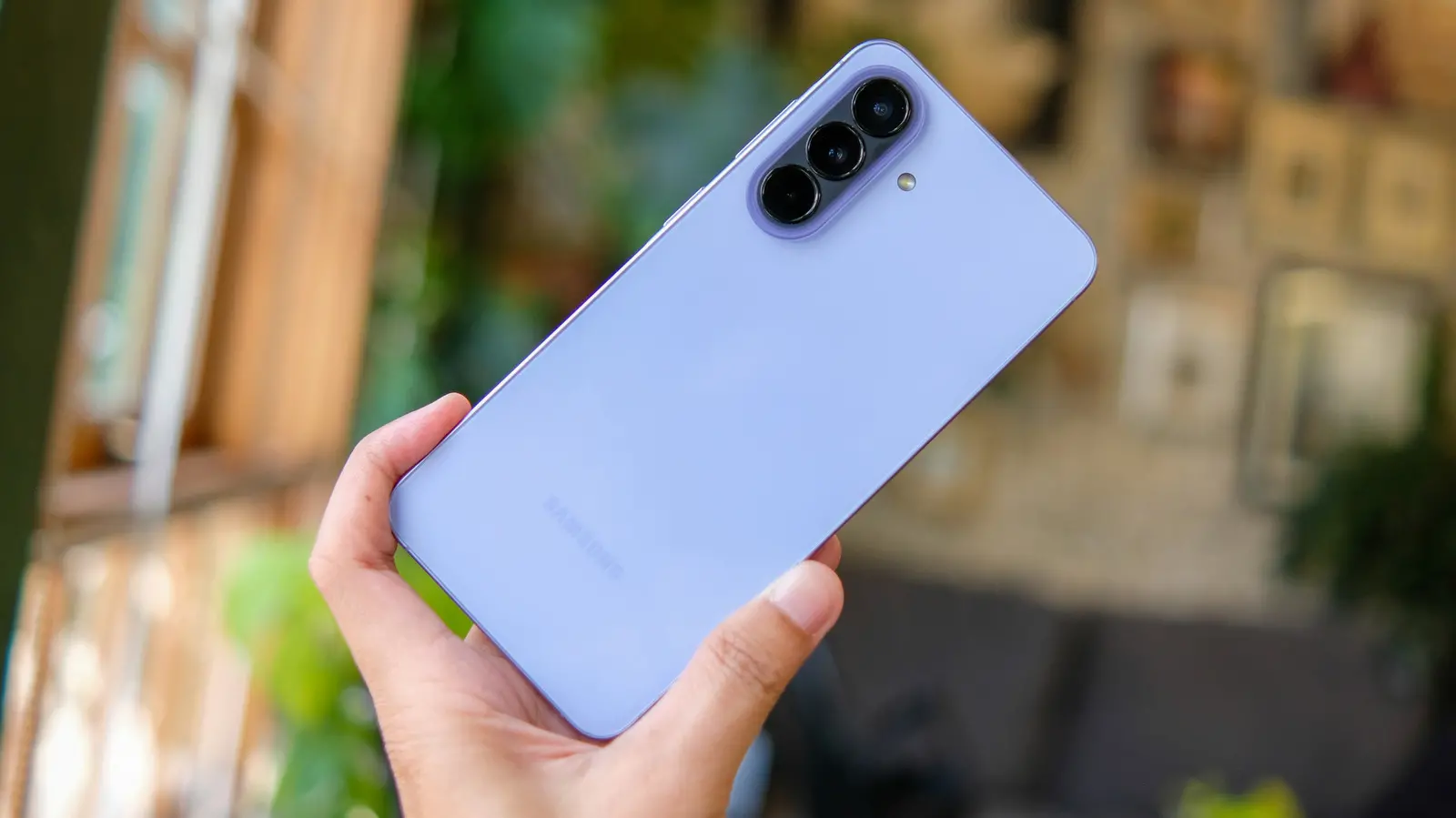
Samsung remains one of the most dominant players in the smartphone market, offering a wide range of devices to cater to different budgets and needs. Among its most popular lineups are the Galaxy A series and the Galaxy S series. While the S series represents Samsung's flagship technology, the A series provides a more accessible price point without sacrificing essential features. Understanding why the A series is cheaper than the S series requires a deep dive into the materials, hardware, software, and target audience of each lineup.
Positioning and Price Range
Samsung positions the Galaxy S series as its premium smartphone line, introducing the latest innovations, top-tier processors, and best-in-class cameras. The price range for S series phones in 2026 starts at around $649.99 for the Galaxy S25 FE and goes up to $1,599.99 for the Galaxy S26 Ultra. In contrast, the Galaxy A series is designed for the mass market, with prices ranging from $199.99 to $549.99. This significant price gap is not arbitrary but reflects deliberate decisions in design, manufacturing, and marketing.
The A series often uses polycarbonate or glass backs with aluminum frames, while the S series frequently employs premium materials such as Gorilla Glass Victus and titanium or stainless steel frames. The cost of these materials adds up, especially when combined with advanced water and dust resistance. Although both series now offer IP68 certification, the S series typically achieves higher durability ratings and better drop resistance.
Processor and Performance
One of the biggest cost differences lies in the chipsets. Samsung equips the S series with its most powerful Exynos (in some markets) or Qualcomm Snapdragon processors, often the latest generation at launch. For example, the Galaxy S25 uses a custom Snapdragon processor with advanced AI capabilities and superior GPU performance. The A series, on the other hand, uses mid-range or budget chips like the Exynos 1380 or Snapdragon 6 Gen 1. These chips are less expensive to produce and consume more power relative to performance, but they still provide smooth day-to-day usage for most tasks.
Battery life is another area where the A series often compensates for less efficient chips with larger batteries. The Galaxy A55 5G has a 5,000 mAh battery, while the Galaxy S25 has a 4,000 mAh battery. Despite the smaller battery, the S25 achieves similar or better video playback times due to the efficiency of its processor. This means the S series can do more with less power, justifying its higher price tag for those who demand peak efficiency.
Display and Build Quality
Samsung's S series typically features Dynamic AMOLED displays with higher refresh rates (up to 120Hz) and better brightness levels. The A series also uses Super AMOLED panels but often with a 60Hz or 90Hz refresh rate on older models. However, in 2026, the Galaxy A57 5G now offers a 120Hz refresh rate, blurring the line. But the S series still leads in terms of color accuracy, peak brightness, and HDR support. The bezels on S series phones are thinner, and the screens are protected by the latest Corning Gorilla Glass, whereas the A series might use older versions or a plastic layer.
Build quality also differs in terms of water resistance. While both series now commonly include IP68 certification, the S series undergoes more rigorous testing and often features better sealing. The Galaxy S series also includes features like wireless charging, which requires specific hardware and a glass back. Wireless charging is absent in budget A series models but appeared in some mid-range variants like the Galaxy A55 5G.
Camera Systems
The camera is usually the most noticeable difference. The S series boasts multiple advanced lenses: a high-resolution main sensor (200MP in the S26 Ultra), a periscope telephoto lens with 10x optical zoom, an ultra-wide lens, and a depth sensor. These cameras use larger sensors, optical image stabilization, and sophisticated image processing, often powered by a dedicated neural processing unit. The A series offers reliable cameras, such as the 50MP main shooter in the Galaxy A57 5G, but lacks the telephoto zoom and computational photography features found in the S series. The absence of a dedicated zoom lens and lower-quality sensors reduces manufacturing costs significantly.
In 2026, Samsung brought AI-enhanced photography features down to the A series with the Galaxy A57, including object eraser and night mode improvements. However, the S series still offers superior low-light performance, more detailed video recording (8K at 60fps), and specialized modes like portrait video and expert RAW.
Software and Updates
Samsung has improved its update policy for the A series, now offering four years of major OS updates and five years of security patches for selected models. The S series, however, receives seven years of updates and gets them faster. The flagship line also gets access to exclusive Galaxy AI features that are later rolled out to A series phones after a delay. This phased rollout allows Samsung to charge a premium for early access to innovative features.
Additionally, the S series comes with Samsung DeX, which allows the phone to transform into a desktop-like experience when connected to a monitor. This feature is not available on A series phones, adding to the differentiation. Other exclusive S series features include the S Pen on the Ultra models, which requires a digitizer layer under the display, increasing cost.
Historical Evolution of the Gap
When Samsung launched the Galaxy S series in 2010, it was the only premium Android phone brand other than the HTC Desire and Motorola Droid. The A series came later in 2014 as a mid-range option to capture the growing market for affordable smartphones. Over the years, the A series has inherited many features from the S series after a few generations. For example, the IP68 water resistance debuted on the Galaxy S7 in 2016 and became standard on the A series by 2017. Similarly, the 45W fast charging that first appeared on the Galaxy S20 Ultra in 2020 now appears on the Galaxy A56 and A57 in 2026.
This trickle-down approach allows Samsung to keep the S series premium while offering consumers a compelling reason to buy older S series models or wait for the A series to catch up. The A series often uses recycled designs and components from one or two generations ago, which lowers R&D and tooling costs. Samsung also produces A series phones in higher volumes, achieving economies of scale in manufacturing.
Target Audience and Use Case
The ideal buyer for the A series is someone who uses their phone for everyday tasks: browsing social media, messaging, light gaming, taking casual photos, and streaming video. They are price-sensitive and do not need the fastest processor or the best camera. The A series offers great value with long battery life and a large display. Older users or those who upgrade infrequently will find the A series more than capable.
The S series targets power users, professionals, and tech enthusiasts who want the best possible performance, the most advanced camera capabilities, and access to cutting-edge features like 5G mmWave, Wi-Fi 7, and ultra-fast storage. They also value premium build quality and are willing to pay a premium for it. The S series is a better future-proof investment because it can handle more demanding apps and games for longer before becoming obsolete.
For someone on a budget who wants a flagship experience, buying a one- or two-year-old S series model (like the Galaxy S24 Ultra) often provides better hardware than the latest A series at a similar price. However, the A series still offers new features like a fresh design, a newer Android version out of the box, and longer software support.
Economic Factors
Samsung invests heavily in R&D for the S series, and those costs are amortized over a smaller number of premium devices. The A series leverages existing technology and designs, reducing R&D expenditure per unit. Additionally, Samsung often uses lower-cost suppliers for components such as cameras, batteries, and displays in the A series. The profit margin on each S series phone is higher, but the volume is lower. The A series sells in much larger quantities, creating steady revenue despite lower margins.
The global economic climate also influences the product lineup. In times of inflation, consumers look for cheaper alternatives, making the A series more attractive. Samsung continues to invest in the A series to capture emerging markets where disposable income is lower. In these markets, the A series competes fiercely with Chinese brands like Xiaomi, Oppo, and Vivo, forcing Samsung to keep prices low and features compelling.
Summary of Key Differences
To summarize, the main reasons the A series is cheaper than the S series include: lower-cost processors, less complex camera modules, simpler build materials, fewer exclusive software features, and less aggressive marketing campaigns. The A series also receives delayed upgrades and often uses previous-generation technology. Despite these differences, the A series in 2026, particularly the Galaxy A57 5G, bridges many gaps and offers AI features and solid performance that make it a strong competitor to older S series models. Choosing between the two series ultimately comes down to your budget and needs: the A series for excellent value and daily usability, and the S series for unmatched performance and premium experience.
Source: SlashGear News