

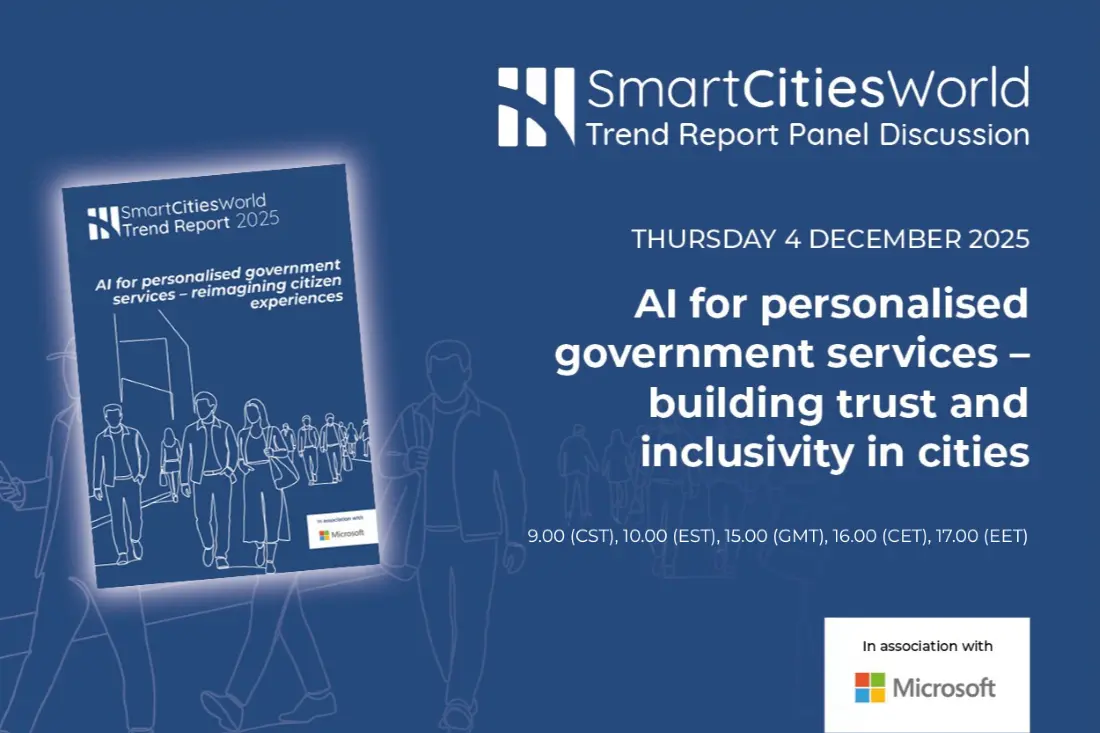
As urban populations continue to grow and climate change intensifies, city leaders are increasingly turning to artificial intelligence (AI) to deliver more personalised, efficient, and inclusive government services. From AI-powered digital twins to smart sensor networks, the potential of these technologies to transform urban life is immense—but building public trust remains a critical challenge.
At the heart of this transformation is the concept of using data and AI to tailor services to individual citizens’ needs while ensuring transparency, fairness, and equity. Cities such as Kuala Lumpur, Sunderland, and Dublin are pioneering approaches that demonstrate how AI can enhance everything from traffic management to building safety, all while fostering a sense of belonging and trust among residents.
The Promise of Personalised Government Services
Personalisation in government services means moving away from one-size-fits-all approaches to creating responsive, adaptive systems that consider each citizen’s unique circumstances. AI enables this by analysing vast amounts of data—from traffic patterns to energy usage—and providing insights that help city officials make better decisions. For instance, AI-powered digital twins create virtual replicas of physical infrastructure, allowing cities to simulate scenarios and optimise operations in real time.
Gareth Tang, President of Urban Solutions at ST Engineering, explains how urban AI applications are evolving: “We are already seeing projects where AI makes significant impact—from predicting maintenance needs for public transport to optimising waste collection routes. The next step is integrating these systems to offer seamless, personalised experiences for residents.”
Building Trust Through Transparency and Inclusion
Trust is the cornerstone of any successful smart city initiative. Citizens must feel confident that their data is being used ethically and that AI systems are free from bias. Inclusivity requires that technology serves all residents, not just the digitally literate or affluent. Cities are addressing these concerns by involving communities in the design process and ensuring that data governance frameworks are robust and transparent.
The SmartCitiesWorld Summit 2026, held during London Climate Action Week, brought together urban leaders to explore exactly these intersections. Discussions focused on how cities can translate strategy into practical action—balancing digital transformation with climate resilience and social equity. One key takeaway was the importance of co-creating solutions with citizens, ensuring that AI-driven services reflect local values and priorities.
Real-World Examples of AI in Action
Malaysia is a notable leader in AI-powered urban innovation. The first Southeast Asian Smart City Expo in Kuala Lumpur showcased how the country is leveraging AI to manage traffic, monitor air quality, and deliver personalised public services. By integrating building data with connected infrastructure, Malaysian cities are improving sustainability and operational performance while building trust through transparent data practices.
In the United Kingdom, Sunderland is repositioning itself as a leading smart city. Using digital infrastructure and low-carbon innovation, the city is building a resilient, future-focused economy. AI plays a central role in this transformation, from smart street lighting that adjusts to pedestrian activity to predictive analytics that help manage energy consumption in public buildings.
Dublin offers another compelling case. The city is innovating to improve experiences and services for its communities—including digital twin projects that simulate traffic reduction scenarios, support economic growth, and enhance public safety. These projects demonstrate how AI can create more liveable, inclusive urban environments.
The Role of Digital Twins and Sensor Networks
Digital twins are emerging as an intelligent operating layer for cities, enabling real-time monitoring and simulation. They allow urban planners to test interventions virtually before implementing them in the real world, reducing costs and unintended consequences. Combined with smart sensor networks, digital twins can detect risks early—such as structural weaknesses in buildings or air quality hazards—and improve situational awareness.
How smart sensor networks improve indoor safety is a growing focus. By detecting risks early, these systems support healthier, more secure, and sustainable buildings. For example, sensors can monitor carbon dioxide levels, temperature, and humidity, adjusting ventilation automatically to create optimal indoor environments. This not only enhances comfort but also reduces energy consumption, contributing to city-wide sustainability goals.
Addressing the Challenges of AI Adoption
While the benefits are clear, adopting AI for government services comes with significant challenges. Data privacy, algorithmic bias, and the digital divide are among the top concerns. Cities must invest in robust data governance, ensure diverse representation in AI development teams, and provide digital literacy programs to help all citizens access and understand these tools.
The podcast episode featuring PNY Technologies’ Youssef Nadiri delves into the world of sovereign AI for cities—emphasising the need for local control over data and algorithms. Sovereign AI ensures that cities retain autonomy over their digital infrastructure, building trust by keeping data within national borders and aligning AI systems with local regulations and cultural norms.
In Quezon City, Philippines, the Urban Exchange podcast provided a first-hand account of city resilience measures following unexpected extreme rainfall. AI-powered early warning systems and real-time data analysis helped officials coordinate emergency responses, demonstrating how technology can save lives and build community confidence in government capabilities.
Looking Ahead: The Path to Inclusive Smart Cities
The integration of AI into government services is not just about efficiency—it is about creating cities that work for everyone. By prioritising trust and inclusivity, urban leaders can harness AI to deliver personalised experiences that respect individual rights and foster social cohesion. As the examples from Malaysia, Sunderland, Dublin, and Quezon City show, the journey is already underway.
On-demand panel discussions and webinars, such as “Digital twins and AI as the intelligent operating layer for cities” and “Getting your data strategy right for smarter sites and safer operations,” provide further insight into the technical and governance frameworks needed. These resources help city officials and technology partners align on best practices and avoid pitfalls.
Ultimately, the success of AI in government services depends on continuous dialogue between citizens, policymakers, and technologists. By building systems that are transparent, accountable, and inclusive, cities can ensure that the benefits of AI are shared widely and that trust remains a guiding principle in the smart city revolution.
Source: Smart Cities World News