

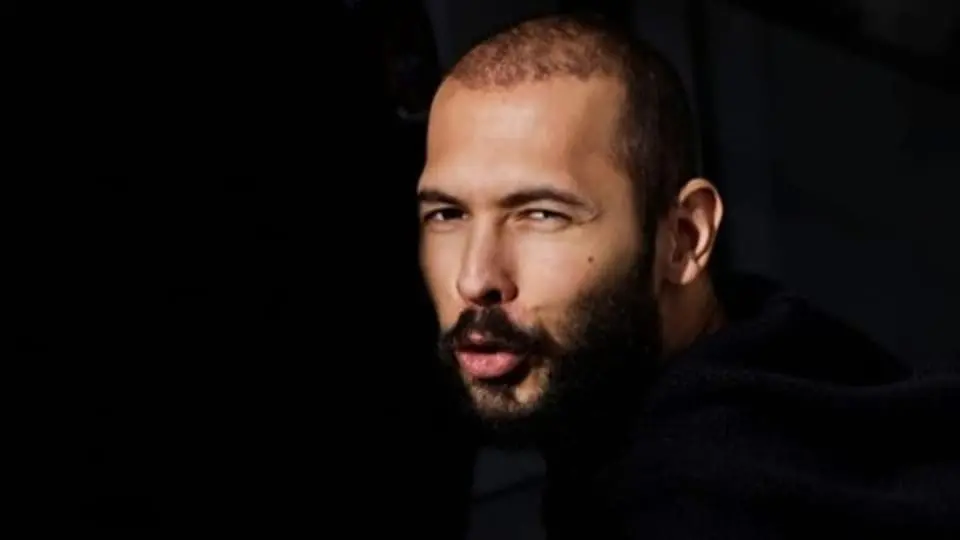
Andrew Tate, a British-American former kickboxer turned social media influencer, has become one of the most divisive figures online. Known for his flamboyant displays of wealth—fast cars, expensive cigars, and a hedonistic lifestyle—Tate also regularly spews rhetoric that many consider sexist, homophobic, and racist. Despite widespread condemnation, he commands a massive following, particularly among teenage boys and young men. What drives this fascination?
Who is Andrew Tate?
Born in Washington, D.C., and raised in the UK, Andrew Tate began his public career as a professional kickboxer. He won multiple world titles under the ISKA (International Sport Karate Association) before transitioning to reality television and later, online entrepreneurship. His foray into social media saw him build a brand around a hyper-masculine, anti-woke persona. Tate often posts videos advising men to pursue wealth, status, and dominance, while deriding women, feminism, and what he calls the "Matrix"—a term he uses to describe societal brainwashing.
His content, initially popular on platforms like Instagram and TikTok, quickly drew controversy. In 2022, he was permanently banned from TikTok for violating hate speech policies, and his Instagram account was removed for similar reasons. YouTube also deleted his channels, citing multiple violations of its policies. Despite these bans, Tate's influence persists through fan accounts, reposts, and paid subscription platforms like his own website.
The Appeal: Authenticity and Anti-Establishment Sentiment
Educators and psychologists have noted that many young men are drawn to Tate because he presents himself as an unfiltered voice in a world they perceive as censorious. Daniel Gebauer, a Swiss teacher with 20 years of experience, observed that his students admire Tate's "cold-bloodedness"—the willingness to speak his mind without caring about political correctness. "They see someone who says what he thinks, and that impresses them," Gebauer told his local news.
This appeal is heightened by the current landscape of masculinity. Many boys feel caught between outdated stereotypes and new expectations of emotional openness and equality. Tate offers a simplified, regressive alternative: a return to traditional male dominance. His slogans, like "Men should provide, protect, and procreate," resonate with those who feel emasculated by modern society.
Moreover, Tate's legal troubles—he is currently detained in Romania on charges of human trafficking, rape, and forming an organized crime group—have not diminished his stature among fans. In fact, for some, the persecution narrative reinforces his image as a victim of the "Matrix." His arrest in December 2022 and subsequent incarceration made global headlines, yet his social media following grew.
Impact on Schools in the UK and Switzerland
In the UK, the problem has become acute enough that some schools have launched coordinated campaigns to counter Tate's influence. Reports from British teachers indicate that students as young as 11 are parroting his misogynistic talking points, affecting classroom dynamics and peer relationships. Schools have introduced lessons on critical thinking, media literacy, and healthy relationships to address the issue.
In Switzerland, the situation appears less urgent. The Swiss Teachers' Association (LCH) stated that it has not yet needed to plan specific campaigns but would act if the influencer's impact became problematic. However, individual teachers like Daniel Gebauer have noticed that at least half of his upper-school students recognize Tate's name. Gebauer added that while most students condemn his views, they are still drawn to his provocative style.
The contrast between the UK and Swiss responses highlights a broader European unease. In the UK, where Tate spent part of his upbringing, his rhetoric has fueled debates about online radicalization and the responsibility of tech platforms. In Switzerland, the approach has been more measured, with educators focusing on understanding rather than blanket censorship.
The Allure of the Forbidden
Part of Tate's magnetism lies in the forbidden nature of his content. Bans and criticism only amplify his appeal, lending him an outlaw aura. For teens navigating the minefield of social acceptance, listening to a banned influencer can feel like a minor act of rebellion. As Gebauer noted, "The forbidden or socially frowned-upon also exercises its own allure."
This phenomenon is not entirely new. Throughout history, controversial figures from Oscar Wilde to Che Guevara have attracted followers precisely because they were outlaws. However, the speed and scale of modern social media amplify the effect. A single viral video can introduce millions to ideas they might not otherwise encounter.
Tate also exploits the concept of "red-pilling"—a term borrowed from the movie "The Matrix" to describe awakening to a hidden truth. He positions himself as a guide helping young men escape the indoctrination of the mainstream. This framing turns his criticism into validation: the more elites (media, governments, tech companies) attack him, the more "red-pilled" his followers feel.
Broader Implications for Masculinity and Media
The fascination with Andrew Tate is symptomatic of a larger crisis in masculinity. As traditional gender roles erode, many men struggle to find a new sense of identity. While some embrace progressive values, others retreat into hyper-masculine fantasies. Tate provides a ready-made, if toxic, solution.
Media literacy experts argue that schools need to do more than just ban influencers. They must engage with the underlying questions: Why do young men feel unheard? What alternative visions of masculinity can be offered? Gebauer believes that teachers should make more effort to understand students' interests without immediately devaluing them. "We need to take their perspectives seriously," he said, "and provide spaces for critical discussion."
The case of Andrew Tate also underscores the power of algorithm-driven content. His videos were often pushed to users who had shown an interest in fitness, self-improvement, or money-making—interests that are not inherently problematic. The dangerous ideas were piggybacking on positive aspirations.
As the investigation into Tate's alleged crimes continues, his influence shows no signs of waning. Whether he is convicted or acquitted, the underlying conditions that created his fanbase remain. Society must confront the challenge of providing healthy role models for young men in an age of digital tribalism and declining trust in institutions.