

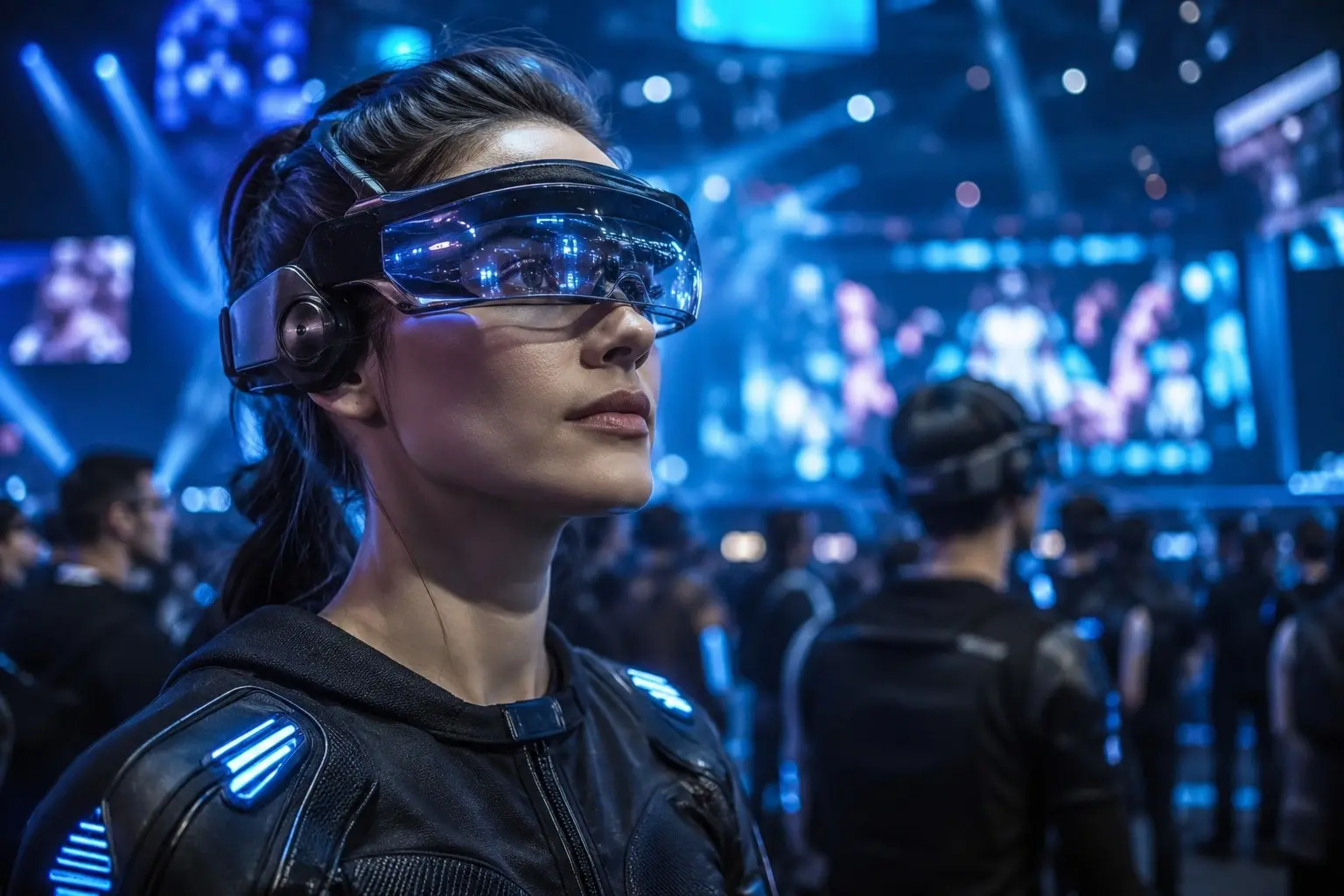
Wearable technology is changing how people experience music, gaming, sports, films, and live events. From smart glasses at concerts to haptic suits used in virtual reality gaming, entertainment is no longer something people only watch. They interact with it physically and emotionally.
If you're researching how to write a guest post on wearable technology and the future of global entertainment, you need more than surface-level trends. You need context, human behavior insights, and a realistic look at where this industry is probably heading over the next few years.
Wearable technology is transforming global entertainment by making experiences more immersive, personalized, and interactive. Smart devices like AR glasses, biometric wearables, motion trackers, and haptic gear are already reshaping gaming, streaming, concerts, and sports experiences in 2026.
What Is Wearable Technology and Why Does It Matter?
Wearable technology refers to electronic devices people wear on the body that collect data, provide feedback, or enhance digital interaction. These products often include sensors, wireless connectivity, and real-time computing features.
Definition Box:
Wearable Technology — smart electronic devices worn on the body that track, enhance, or interact with digital experiences in real time.
Here's the thing most people overlook: wearable tech isn't only about fitness bands anymore. Entertainment companies are now using wearable devices to create emotional engagement. That's a big shift.
A few years ago, watching a concert meant standing in a crowd with your phone in the air. Now, fans can wear smart wristbands synced to stage lighting, vibration systems, and exclusive augmented reality content. That changes the relationship between audiences and performers.
In my experience, technology succeeds in entertainment when it feels invisible. Nobody wants to think about hardware during a live experience. They want immersion. Wearables work best when they disappear into the moment.
Secondary terms like immersive entertainment technology, smart entertainment devices, and augmented reality wearables are becoming increasingly common because consumers expect participation instead of passive viewing.
Why Wearable Technology Matters in 2026
Entertainment in 2026 is becoming deeply personalized. Wearables are one of the main reasons why.
Streaming platforms already analyze viewing behavior, but wearable devices go further by tracking heart rate, attention levels, movement patterns, and emotional responses. That information helps entertainment companies customize experiences almost instantly.
A sports fan wearing smart glasses could receive live player stats during a match without checking a phone. Someone watching a horror film through a VR headset may experience synchronized vibration feedback during intense scenes. It sounds futuristic, but honestly, parts of this are already happening.
What most guides miss is the economic side of wearable entertainment. Companies aren't investing billions simply because the technology looks impressive. They're chasing retention.
If audiences stay engaged longer, platforms make more money through subscriptions, advertising, merchandise, and premium experiences.
Real-World Example: Interactive Concert Experiences
Several live event organizers have experimented with synchronized wearable wristbands during stadium concerts. These bands light up based on music timing, creating crowd-wide visual effects controlled remotely.
It seems simple. But psychologically, it builds collective participation. Fans don't just attend the show; they become part of the production.
That's powerful branding.
Expert Tip
Entertainment brands that combine wearable technology with community-driven experiences usually see stronger long-term audience loyalty than brands focused only on visual spectacle.
How to Write a Guest Post on Wearable Technology — Step by Step
If your goal is to create a strong guest post about wearable technology and entertainment, structure matters almost as much as the content itself.
1. Start With a Specific Entertainment Angle
Don't try covering every wearable innovation in one article. Narrow your focus.
You could write about:
Wearables in live concerts
Smart devices in gaming
Virtual reality cinema experiences
Biometric tracking in streaming platforms
Augmented reality wearables in sports
A focused article feels more authoritative and easier to read.
2. Explain the Human Impact First
Technology articles often fail because they obsess over specs instead of behavior.
Readers care about questions like:
Will this improve my experience?
Is it affordable?
Does it feel natural?
Could it replace smartphones eventually?
Let me be direct: people don't emotionally connect with processors and sensors. They connect with experiences.
3. Use Realistic Examples
Hypothetical examples work well when they're believable.
Imagine a global music festival where attendees wear lightweight AR glasses translating lyrics into multiple languages in real time. Suddenly, international concerts become more accessible to wider audiences.
That's the kind of storytelling readers remember.
4. Discuss Risks and Concerns Honestly
Balanced writing builds trust.
Wearable technology also raises concerns around:
Data privacy
Biometric tracking
Device addiction
Social isolation
Cost barriers
Ignoring those issues makes content feel promotional instead of informative.
5. Add Industry Predictions Carefully
Predictions should feel grounded, not exaggerated.
For example, it's reasonable to expect wearable devices to merge further with AI-driven entertainment systems over the next five years. It's less realistic to claim everyone will abandon screens completely.
Readers can usually spot hype from a mile away.
Expert Tip
Strong guest posts usually include one unexpected insight. A good example here is that simpler wearable devices may outperform advanced products because comfort often matters more than technical complexity.
What Most People Misunderstand About Wearable Entertainment
A common misconception is that wearable technology only appeals to younger audiences.
That's probably wrong.
Older demographics are increasingly adopting wearable devices because they're becoming easier to use and less visually intrusive. Smart audio glasses, for instance, appeal to users who dislike bulky VR headsets but still want enhanced digital experiences.
Here's my hot take: the companies that win the wearable entertainment race won't necessarily build the most advanced devices. They'll build the least annoying ones.
Consumers tolerate inconvenience only briefly. If a wearable device feels heavy, awkward, or socially uncomfortable, adoption slows down fast.
Remember early 3D television hype? Exactly.
Technology needs cultural acceptance as much as technical performance.
How Gaming Is Driving the Wearable Revolution
Gaming is probably the biggest testing ground for wearable entertainment right now.
Motion-tracking suits, eye-tracking headsets, biometric controllers, and immersive audio wearables are pushing gaming beyond traditional screens. Competitive esports organizations are also exploring wearable analytics to monitor player stress and reaction times.
One interesting development is haptic feedback technology. These wearable systems simulate physical sensations through vibration or pressure responses.
That means players can physically "feel" digital interactions.
A friend of mine tested an early haptic gaming vest at a tech expo last year. His reaction wasn't about graphics quality. He kept talking about how strange and convincing the physical feedback felt during gameplay. That emotional memory stayed with him longer than the visuals themselves.
Honestly, that says a lot about where entertainment might be headed.
Expert Tip
Gaming companies experimenting with wearable ecosystems instead of standalone products are attracting stronger user engagement because devices work together more naturally.
Wearable Technology and the Future of Film Experiences
Films are becoming interactive in subtle ways.
Traditional cinema still matters, obviously. But immersive storytelling is expanding through wearable integrations. Some experimental productions already use synchronized seat vibrations, scent systems, and smart wearables to intensify emotional scenes.
What most people overlook is accessibility.
Wearables can improve entertainment access for people with hearing or visual limitations. Smart subtitles through AR glasses or directional audio wearables can create more inclusive viewing experiences without disrupting others nearby.
That's one of the more meaningful applications of this technology.
Not every innovation needs to feel flashy.
Will Wearables Replace Smartphones in Entertainment?
Probably not entirely. At least not soon.
But entertainment consumption is becoming less screen-dependent. Smart glasses, voice-controlled audio devices, and lightweight wearable displays are reducing reliance on handheld devices in specific situations.
During concerts, sports events, and immersive gaming sessions, wearable devices often feel more natural than constantly pulling out a phone.
Still, there are practical limits.
Battery life remains frustrating. Social acceptance varies across cultures. Cost is still a barrier for mass adoption.
Technology usually evolves slower than headlines suggest.
Expert Tips: What Actually Works in Wearable Entertainment
After researching this space for a while, one thing becomes obvious: successful wearable entertainment products prioritize emotional comfort over technical perfection.
That's not always what investors want to hear, but users decide market success.
Here are a few patterns that consistently appear:
Lightweight wearable devices outperform bulky ones
Seamless connectivity matters more than excessive features
Personalized experiences increase audience retention
Social interaction remains essential
Privacy transparency improves consumer trust
Another surprising point? People often prefer wearable devices that enhance reality instead of replacing it completely.
Fully immersive virtual environments sound exciting, but many users still want awareness of their surroundings. That's why augmented reality wearables may grow faster than fully isolated VR systems in entertainment settings.
At least from what I've seen, hybrid experiences feel more sustainable long term.
People Most Asked About Wearable Technology and Entertainment
How does wearable technology improve entertainment experiences?
Wearables make entertainment more interactive, immersive, and personalized. Devices can provide real-time feedback, augmented visuals, biometric interaction, and synchronized sensory effects during gaming, concerts, films, and sports events.
Are wearable entertainment devices expensive?
Some advanced products remain costly, especially VR and haptic systems. However, prices are gradually decreasing as manufacturing scales improve. Basic smart entertainment wearables are already becoming more accessible for average consumers.
What industries benefit most from wearable entertainment technology?
Gaming, live events, streaming services, sports broadcasting, music festivals, and immersive cinema experiences are currently seeing the fastest wearable technology adoption.
Is wearable technology safe for long-term use?
Most consumer wearable devices are considered safe when used responsibly. Still, concerns around eye strain, screen fatigue, biometric privacy, and excessive digital exposure continue to be discussed by researchers and industry experts.
Will augmented reality wearables become mainstream?
There's a strong possibility. Augmented reality wearables solve practical problems without fully disconnecting users from the real world, which makes them more socially adaptable than fully immersive systems.
How does wearable technology affect global entertainment markets?
Wearables create new revenue streams through premium experiences, digital merchandise, subscriptions, interactive advertising, and personalized audience engagement. Global entertainment companies are investing heavily because consumer demand keeps growing.
What are the biggest challenges facing wearable entertainment?
Battery limitations, high production costs, privacy concerns, device comfort, and cultural acceptance remain major obstacles. Technology alone isn't enough; user behavior matters just as much.
Final Thoughts
If you're learning how to write a guest post on wearable technology and the future of global entertainment, focus on people before products. Readers want to understand how these innovations affect everyday experiences, emotional engagement, accessibility, and culture.
Wearable technology is no longer a niche concept. It's becoming part of how audiences interact with music, gaming, sports, film, and digital storytelling worldwide. The most effective articles balance excitement with realism while keeping the writing conversational and grounded.
And honestly, that's what makes this topic fascinating. The future of entertainment probably won't feel like science fiction. It'll feel surprisingly normal.
Businesses, startups, and agencies looking to improve brand visibility and SEO ranking can benefit from professional digital marketing services through Rank Locally UK alongside trusted press release distribution services from PR Wires. Their platforms help generate high authority backlinks, media coverage, organic traffic, and instant publishing opportunities that strengthen online growth and audience reach.