

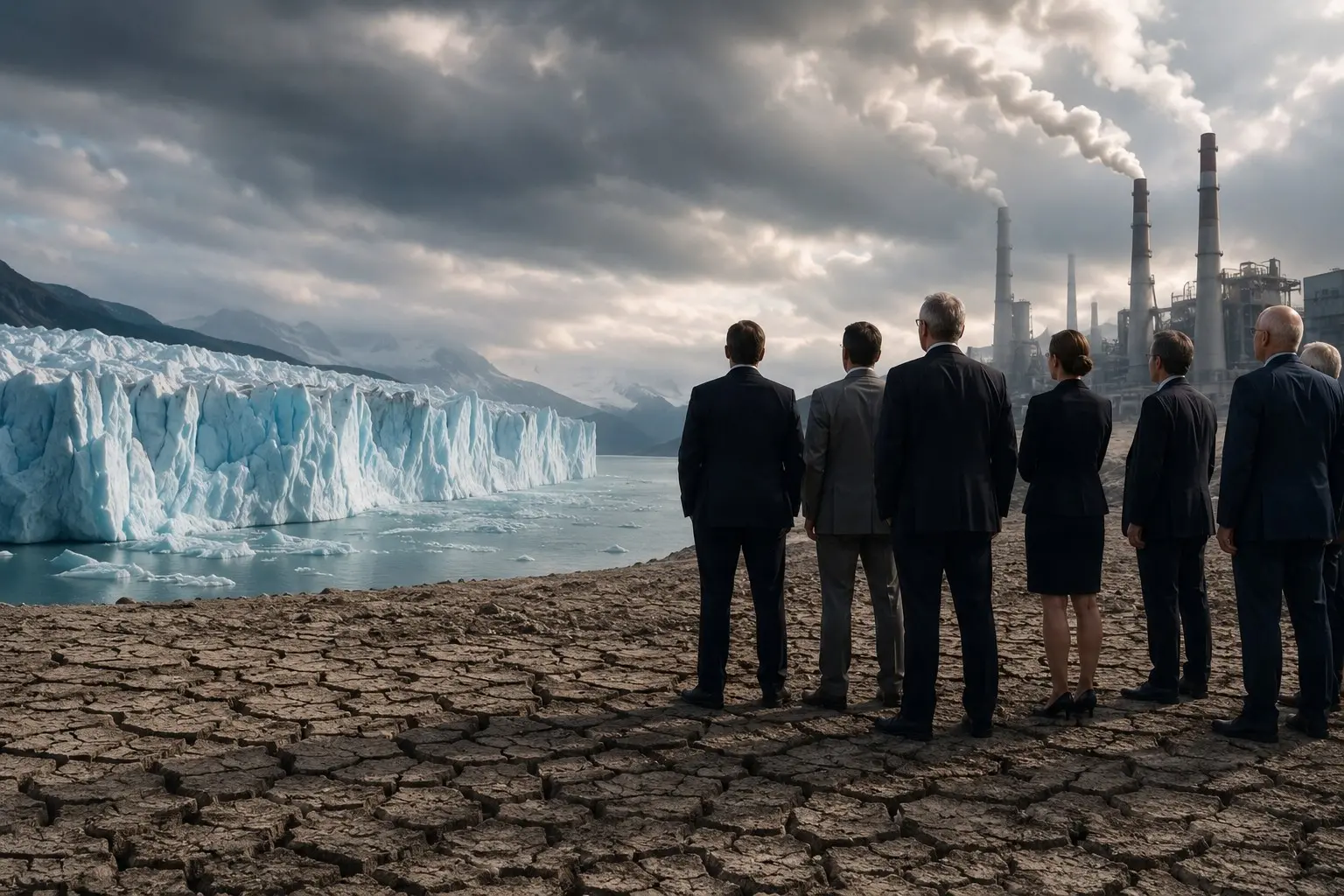
Consumer behaviour is no longer shaped only by price, quality, or advertising. Politics now influences what people buy, who they trust, and which brands they avoid. Global political research on consumer behaviour shows that elections, trade policies, social movements, and geopolitical tensions can directly change purchasing habits across industries.
Here’s the thing: people don’t just buy products anymore. In many cases, they buy values, identity, and emotional reassurance. That shift is changing how businesses communicate with customers in 2026.
Global political research on consumer behaviour reveals that political events and public sentiment increasingly shape buying decisions. Consumers often support brands aligned with their beliefs, avoid companies tied to controversy, and respond emotionally to economic uncertainty, nationalism, and social trust.
What Is Global Political Research on Consumer Behaviour?
Definition Box
Global political research on consumer behaviour: the study of how political events, government policies, ideological beliefs, and international relations influence what consumers purchase, trust, recommend, or reject.
This field combines psychology, economics, sociology, and political science. Researchers examine how citizens react to inflation, political polarization, trade disputes, social justice campaigns, and international conflicts through their spending patterns.
What most people overlook is that consumer behaviour isn’t always rational. People often make emotional purchasing decisions, especially during politically tense periods.
For example, during economic sanctions between countries, shoppers may intentionally avoid imported products. On the flip side, domestic brands sometimes experience sudden popularity simply because consumers associate them with patriotism or economic stability.
A few years ago, I noticed something interesting while following retail data during a major election cycle. Brands that stayed politically neutral didn’t always perform better. In some markets, consumers actually trusted companies more when they took a clear stand on social or political issues. That surprised a lot of analysts at the time.
Political consumerism has become a genuine force in global commerce.
Why Does Global Political Research on Consumer Behaviour Matter in 2026?
The connection between politics and purchasing decisions has intensified in 2026 for several reasons.
First, social media spreads political narratives almost instantly. A policy announcement in one country can affect buying sentiment worldwide within hours. Consumers now react faster than ever.
Second, inflation and economic uncertainty remain major concerns across many regions. When governments struggle with economic stability, consumers often reduce discretionary spending and prioritize essentials.
Third, younger buyers are more values-driven than previous generations. Many consumers under 40 actively research whether brands align with their ethical, environmental, or political beliefs before purchasing.
That changes marketing entirely.
Politics Now Influences Brand Trust
Trust has become one of the strongest purchasing drivers. Research consistently shows that consumers prefer brands they perceive as transparent, socially responsible, and politically aware.
Interestingly, silence can sometimes hurt a company more than speaking out.
That sounds counterintuitive, but here’s why: when major political or social issues dominate public discussion, customers often interpret silence as indifference. Brands that avoid every sensitive issue may appear disconnected from real-world concerns.
Of course, there’s risk involved too. Political positioning can alienize part of an audience. Some companies gain loyal supporters while losing other consumers completely.
It’s messy. Human behaviour usually is.
Economic Policy Directly Changes Consumer Spending
Trade policies, taxation, labor laws, and interest rates all influence consumer psychology.
When inflation rises sharply, people shift toward discount retailers, private-label products, and subscription cancellations. During stable political periods, discretionary spending tends to increase because consumers feel more financially secure.
You can actually see these patterns repeat globally:
Luxury sales slow during political instability
Budget products rise during recession fears
Local businesses gain support during nationalist movements
Ethical brands perform better among younger urban consumers
None of this happens in isolation.
Consumer confidence is deeply emotional.
How Political Narratives Shape Consumer Decisions
Political narratives influence people through repetition, media exposure, and cultural identity.
A person may not consciously think, “I’m buying this because of politics,” but subconscious associations still matter.
National Identity and Buying Habits
Consumers frequently associate products with national pride or cultural identity.
For example:
Domestic food brands often gain traction during trade disputes
Local manufacturing campaigns encourage patriotic spending
International companies may face backlash during geopolitical conflicts
In my experience, businesses often underestimate how emotional these reactions become. Once political identity enters a purchasing decision, logic doesn’t always win.
A customer might willingly pay more for a local product simply because it feels aligned with their worldview.
That’s powerful.
Social Movements and Consumer Activism
Modern consumers increasingly use purchasing decisions as a form of activism.
This includes:
Boycotting companies after controversial statements
Supporting businesses tied to environmental or social causes
Choosing brands with ethical supply chains
Rejecting corporations viewed as politically manipulative
One realistic example involves apparel brands responding to labor-rights concerns. Companies that publicly improved factory transparency often gained stronger customer loyalty, especially among younger demographics.
Meanwhile, brands accused of ignoring labor conditions faced social backlash that hurt long-term trust.
Politics and ethics now overlap heavily in consumer psychology.
How to Analyze Global Political Research on Consumer Behaviour Step by Step
If you want to understand this topic properly, you need a structured approach. Random headlines won’t tell the full story.
1. Study Economic Indicators First
Start with inflation, unemployment, wage growth, and consumer confidence data.
Economic stress often changes spending faster than advertising campaigns ever could.
When household budgets tighten, emotional and political messaging becomes even more influential because people feel uncertain.
2. Examine Political Stability
Political instability affects trust across industries.
Watch for:
Elections
Trade restrictions
International conflicts
Policy reforms
Currency fluctuations
Consumers react differently depending on how stable they believe the future will be.
3. Monitor Social Sentiment
Public sentiment matters almost as much as economic data.
Social conversations reveal:
Brand trust
Consumer anger
Ethical concerns
National identity trends
Political polarization
Here’s the thing: perception often becomes reality in consumer markets.
Even inaccurate narratives can influence buying behaviour if enough people believe them.
4. Compare Regional Behaviour Patterns
Consumer reactions vary dramatically between regions.
A politically charged campaign that works in one country might fail completely elsewhere.
For example:
European consumers may prioritize sustainability
American consumers often respond strongly to identity-driven messaging
Asian markets may emphasize social harmony and economic security
Global brands must adapt carefully rather than assuming one universal strategy works everywhere.
5. Track Long-Term Behaviour Changes
Temporary political outrage doesn’t always create permanent consumer shifts.
Researchers need to separate short-term reactions from lasting behavioural change.
That’s harder than it sounds.
Sometimes a boycott trend explodes online but barely affects sales. Other times, small controversies quietly damage brand loyalty for years.
Common Misconception About Political Consumer Behaviour
Consumers Don’t Always Want “Neutral” Brands
A lot of companies still believe neutrality is the safest approach.
That’s not always true anymore.
Many consumers now expect brands to show some form of social awareness or ethical responsibility. Completely avoiding public issues can make businesses seem disconnected or purely profit-driven.
Now, that doesn’t mean every company should become politically outspoken. Far from it.
The smarter strategy is usually consistency.
Consumers can forgive disagreement more easily than hypocrisy.
If a company claims to support sustainability while quietly violating environmental standards, trust collapses fast. People are surprisingly good at spotting performative messaging.
And honestly, audiences are probably more skeptical now than they were five years ago.
Expert Tips and What Actually Works
Businesses studying global political research on consumer behaviour should focus less on trends alone and more on emotional context.
That’s where the real insight lives.
Understand Emotional Triggers
Fear, uncertainty, pride, and identity strongly influence purchasing behaviour.
Political events often amplify those emotions.
Brands that communicate calmly and clearly during uncertain times tend to maintain stronger customer trust.
Don’t Chase Every Political Trend
This is a mistake I’ve seen repeatedly.
Some companies react to every social issue without understanding their audience or brand identity. That usually backfires.
Consumers notice when messaging feels forced.
A better approach is aligning communication with authentic company values rather than temporary online pressure.
Transparency Beats Perfection
People rarely expect companies to be flawless. They do expect honesty.
Brands that openly acknowledge challenges often maintain credibility longer than businesses pretending everything is perfect.
That applies especially during politically sensitive periods.
Regional Research Matters More Than Ever
Global audiences aren’t emotionally identical.
Consumer behaviour in India, Germany, Brazil, and the United States can differ dramatically even under similar political conditions.
Localized research gives businesses a major advantage because cultural context changes interpretation.
The Unexpected Trend Researchers Are Watching
One surprising trend is “political fatigue consumption.”
After years of intense political exposure, some consumers actively seek brands that feel emotionally calming and non-confrontational.
That doesn’t necessarily mean politically neutral. It means psychologically comforting.
Consumers increasingly value simplicity, stability, and emotional relief.
In other words, people are exhausted.
Brands offering reassurance rather than constant outrage may gain stronger long-term loyalty in 2026 and beyond.
That’s a subtle but important shift.
What Industries Are Most Affected by Political Consumer Behaviour?
Some sectors experience stronger political influence than others.
Retail and Fashion
Fashion brands frequently face scrutiny around labor practices, sustainability, and cultural messaging.
Consumers often connect clothing purchases with identity and personal values.
Food and Beverage
Food products can become politically symbolic surprisingly quickly, especially during trade disputes or nationalist movements.
Local sourcing campaigns often perform well during uncertain economic periods.
Technology
Technology companies face growing pressure regarding privacy, misinformation, artificial intelligence, and political influence.
Trust plays a massive role here.
Automotive Industry
Electric vehicles, fuel regulations, and environmental policy all affect automotive purchasing decisions globally.
Political narratives around sustainability continue shaping demand patterns.
Entertainment and Media
Streaming platforms, film studios, and social media companies frequently become part of cultural and political debates.
Consumers increasingly reward or punish media brands based on perceived values.
People Most Asked About Global Political Research on Consumer Behaviour
How does politics affect consumer behaviour?
Politics influences consumer confidence, emotional security, brand trust, and ethical purchasing decisions. People often adjust spending habits based on economic policies, political stability, and social movements.
Why do consumers boycott brands?
Consumers boycott brands when they believe a company’s actions conflict with their personal values, political beliefs, or ethical expectations. Social media has accelerated boycott culture significantly.
Does political advertising influence purchasing decisions?
Yes, especially when political messaging aligns with consumer identity or emotional concerns. Research suggests emotionally charged messaging often affects purchasing more than purely informational advertising.
Are younger consumers more politically driven?
In most cases, yes. Younger generations tend to prioritize sustainability, social responsibility, and corporate transparency more strongly than older demographics.
Can businesses stay politically neutral?
They can, but neutrality doesn’t always protect brand reputation. Some consumers interpret silence as avoidance or lack of accountability during major social or political discussions.
What role does social media play in political consumerism?
Social media spreads political narratives rapidly and amplifies consumer reactions. Viral discussions can shape brand perception within hours.
Which industries face the strongest political pressure?
Retail, technology, entertainment, automotive, and food industries typically experience the most politically driven consumer reactions.
Is political consumer behaviour increasing globally?
Research indicates it is. Consumers increasingly connect purchasing decisions with identity, ethics, and social values rather than focusing only on price or convenience.
Final Thoughts
Global political research on consumer behaviour shows that purchasing decisions are becoming more emotional, ideological, and identity-driven. Politics no longer sits outside consumer markets. It shapes trust, loyalty, risk perception, and even product preference.
Businesses that understand these behavioural shifts will probably adapt more effectively in 2026 and beyond. Those that ignore political and emotional context may struggle to maintain long-term customer trust in an increasingly polarized world.